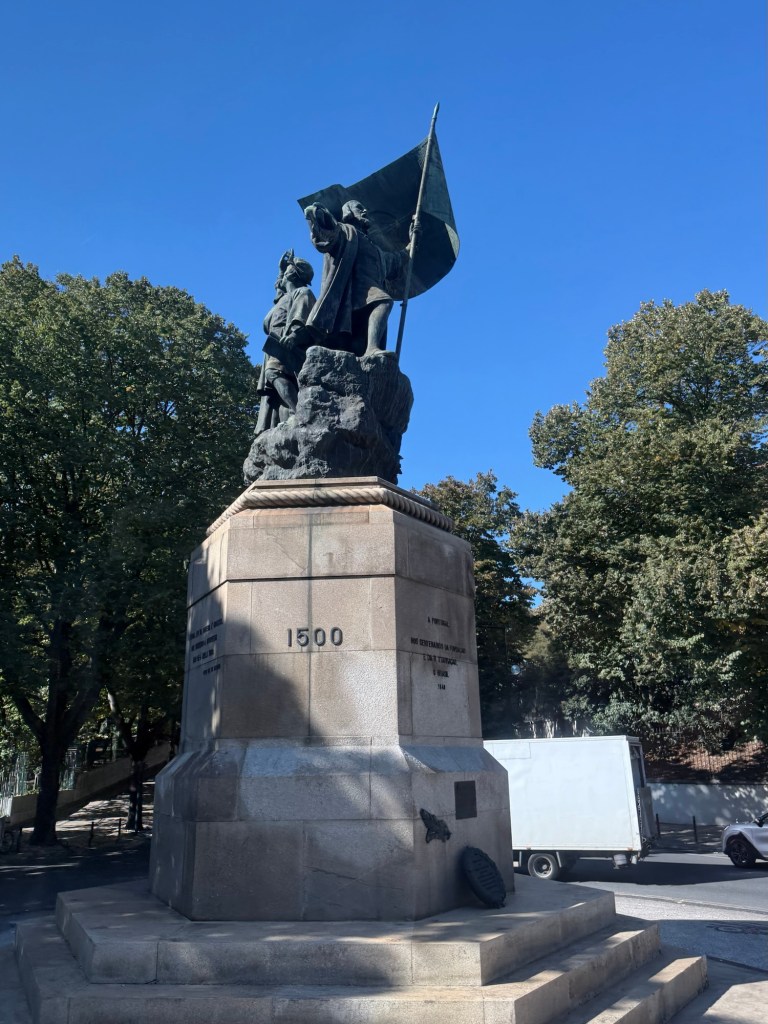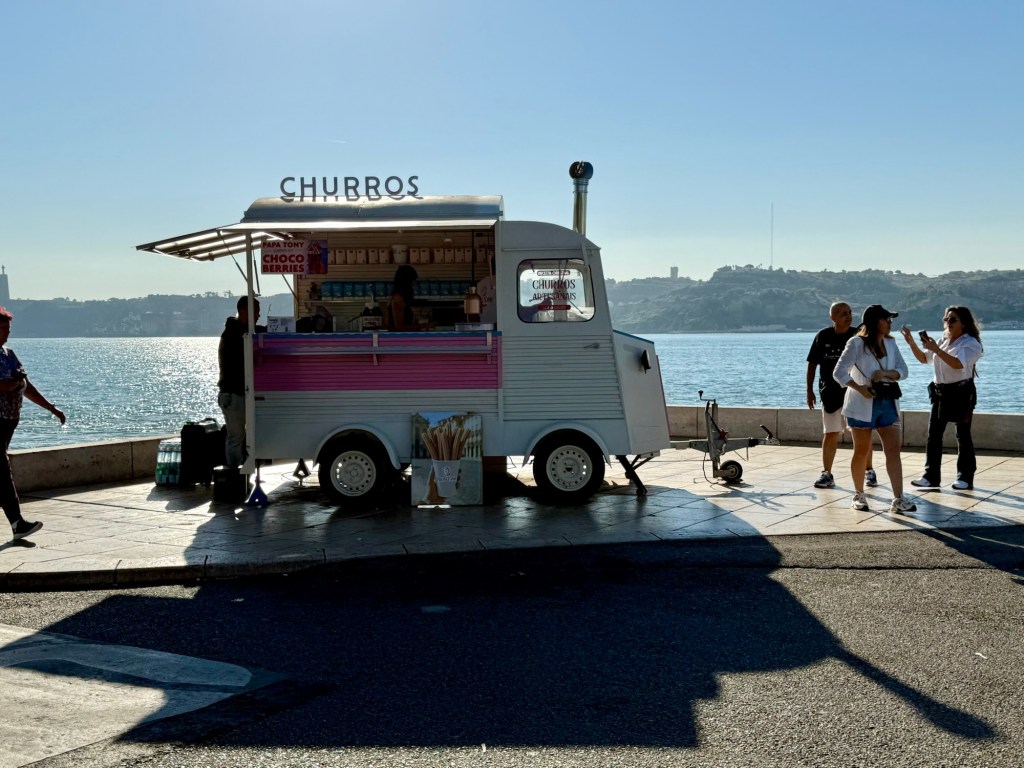
We have a bunch of bus travel time today as we make our way north toward Porto so I’m going to catch up on some details that were missed in the busyness of the past few days. I’ll intersperse my comments with pictures I didn’t yet post.
I didn’t know anything about cork or cork trees and was surprised to find purses and bags made from cork for sale in the souvenir shops. Our guide pointed out some cork trees yesterday but we were moving and I couldn’t get a good picture. A young cork tree cannot be harvested for the first time until it is roughy 25 years old, but the tree will continue to thrive for up to 250 years. The bark of the trunk only, is removed every 9 years which allows the tree to recover in between. Harvesters trained to remove the cork using a special axe gently pry the bark off without cutting the trees inner living layer called the cambrium. Once stripped, the tree is marked in paint the with the last digit of the year it was harvested so forestry managers know when it can next be harvested. The cork is then processed into paper-thin sheets and bonded to a sturdy textile backing to create a fabric that is durable.
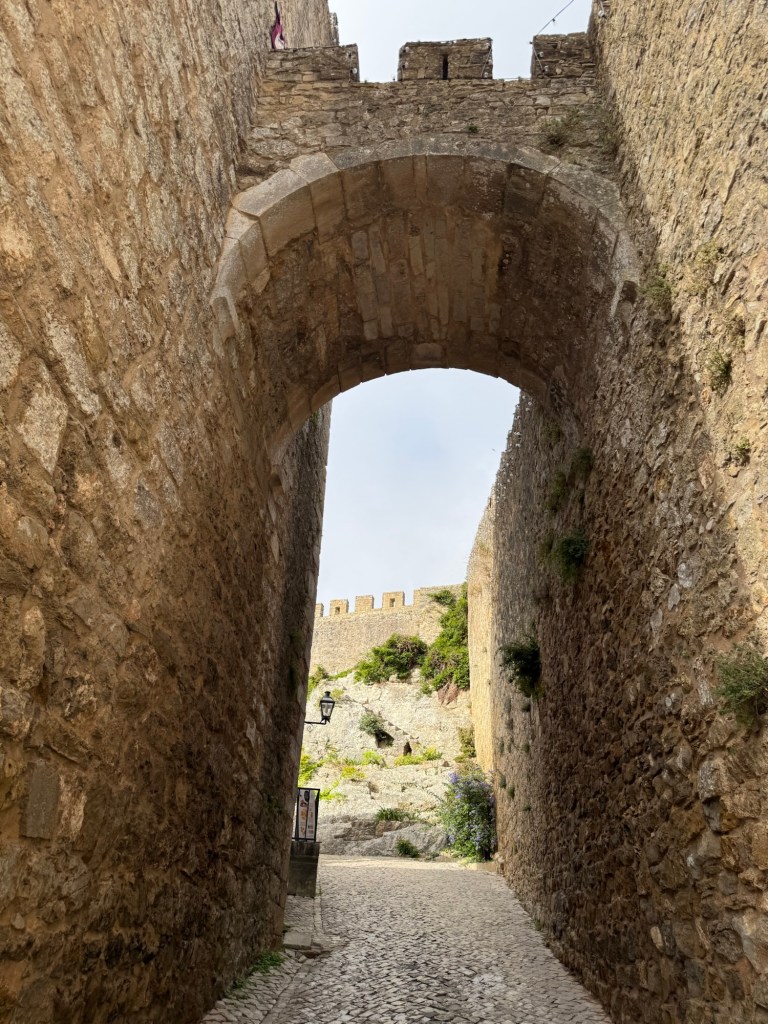
Our guide shared with us some information regarding the Portuguese language they speak in Portugal. Some of the things she said rang true to what I’d observed. She called it “harsh, not musical, flat and monotonous”. Although she said that the Portuguese spoken in Brazil was more lyrical, I found it just as harsh sounding. She mentioned they spoke fast and swallowed half the common words. For instance the word for thank you is “obrigada” if you’re female and “obrigado” if you’re male, however in practice “obrigada” is used for everyone and more typically just “brigad” is all you hear. She said the Portuguese speak with passion, even though their general disposition is rather laid-back, and that sometimes people who don’t speak the language think they are fighting or angry, they aren’t.
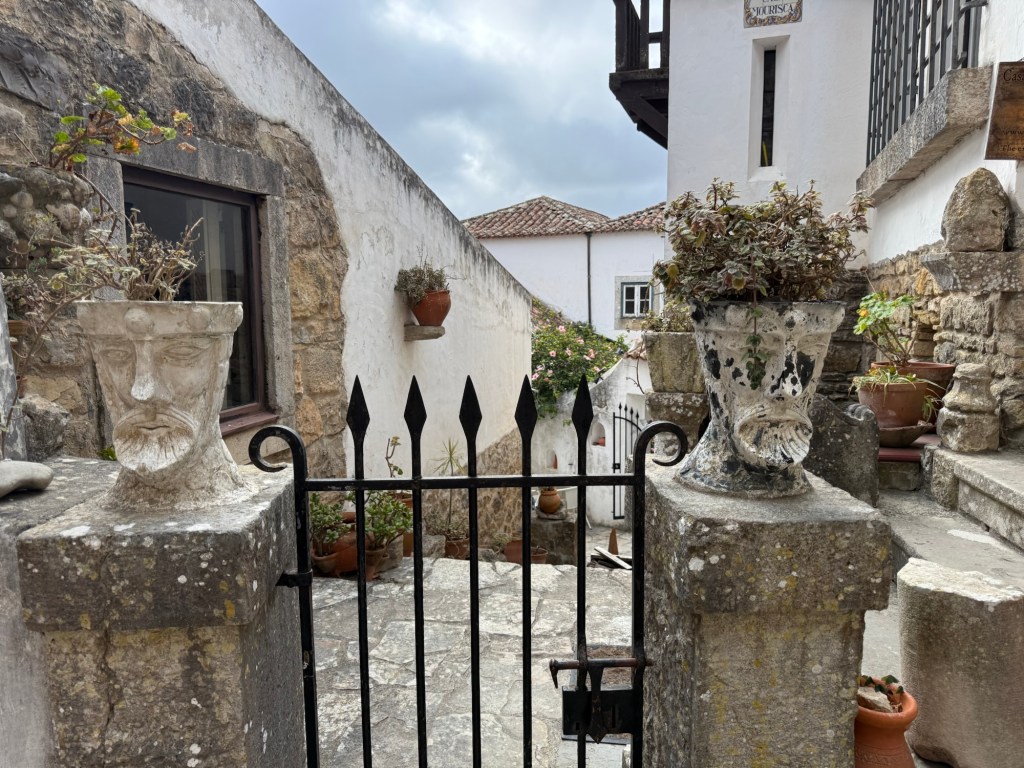
According to our guide, there is a similar relationship between Portugal and Spain, as there is between Canada and the U.S. (normally) and New Zealand and Australia. Although Portugal and Spain are good partners in trade and politically, there is still an underlying resentment toward the Spanish. And she said, if you don’t remember the Portuguese word for something, please don’t use Spanish, just use English.
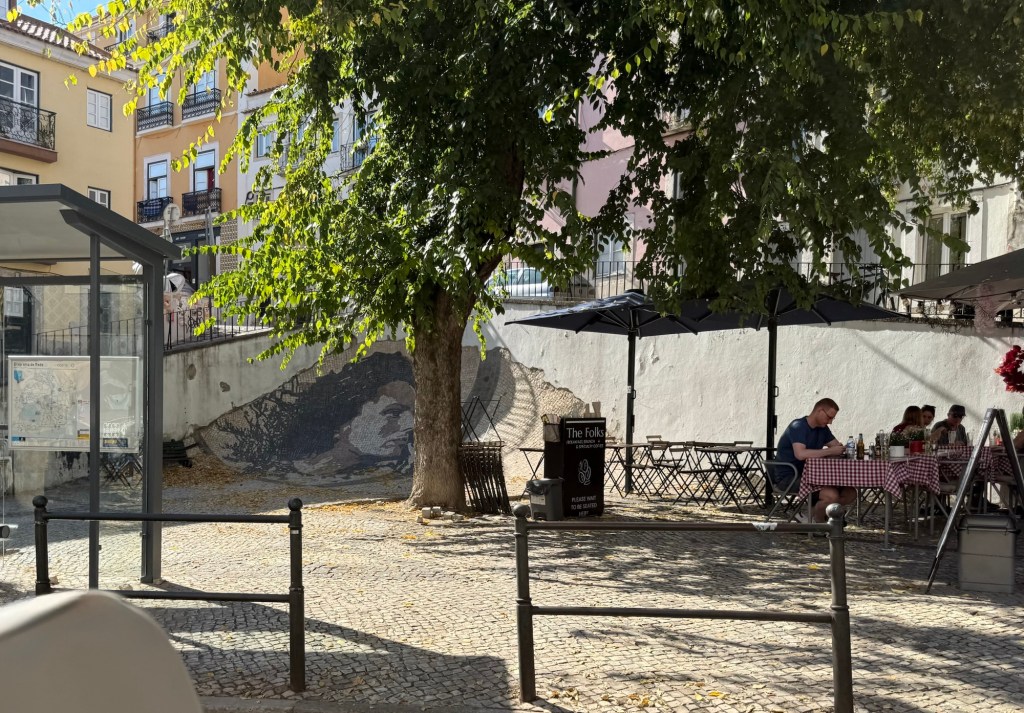
During my tour of Alfama my guide pointed out a mosaic in one of the squares that was of Amalia Rodrigues. This picture isn’t great, but was taken while bumping along in a tuktuk. She was referred to as the Queen of Fado for being instrumental in popularizing Fado across the world. She remains the best-selling Portuguese artist in the history of recorded music even though she died in Lisbon in 1999.
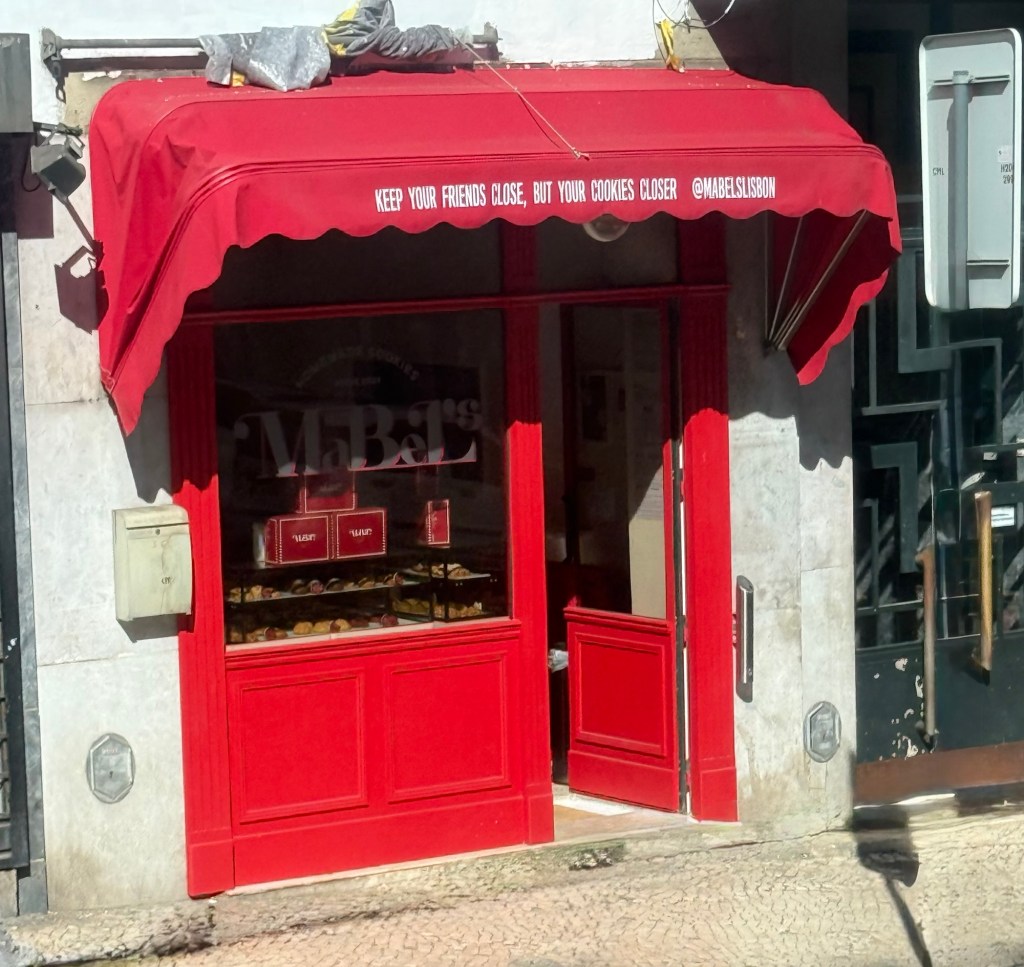
When we toured the Belem district of Lisbon, our guide pointed out that the King at the time named the area around the port from which the great navigators sailed Belem, meaning Bethlehem, because of the connection with the birth of Christ. It was the mandate of the explorers to both navigate the seas exploring and claiming territory for Portugal and expanding trade with other nations but also to spread Christianity. She claimed that the very stubbornness of the Portuguese in converting others to Christianity that it actually resulted in the failing of the Portuguese empire. At first, in the 15th and 16th centuries they were successful in colonizing various parts of the world in the North Atlantic (Madeira Azores), Africa (Mozambique and Angola), and on to South America (Brazil), and the ports of Goa (India), Malacca (Malaysia), Macau (China), and Nagasaki (Japan). However as other seafaring nations (England, France, Netherlands) became active throughout the world, the Portuguese gradually lost their edge because these other nations were not as doggedly determined to convert those they traded with and colonized. So their empire shrunk back to Portugal and the islands of Madeira and Azores.
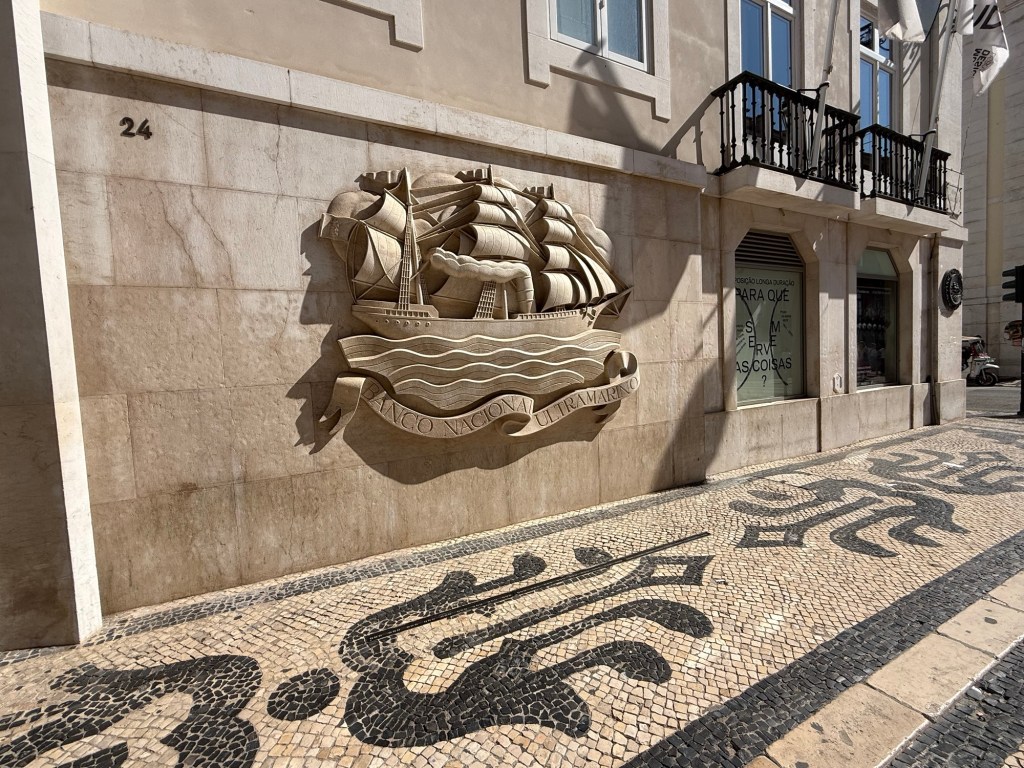
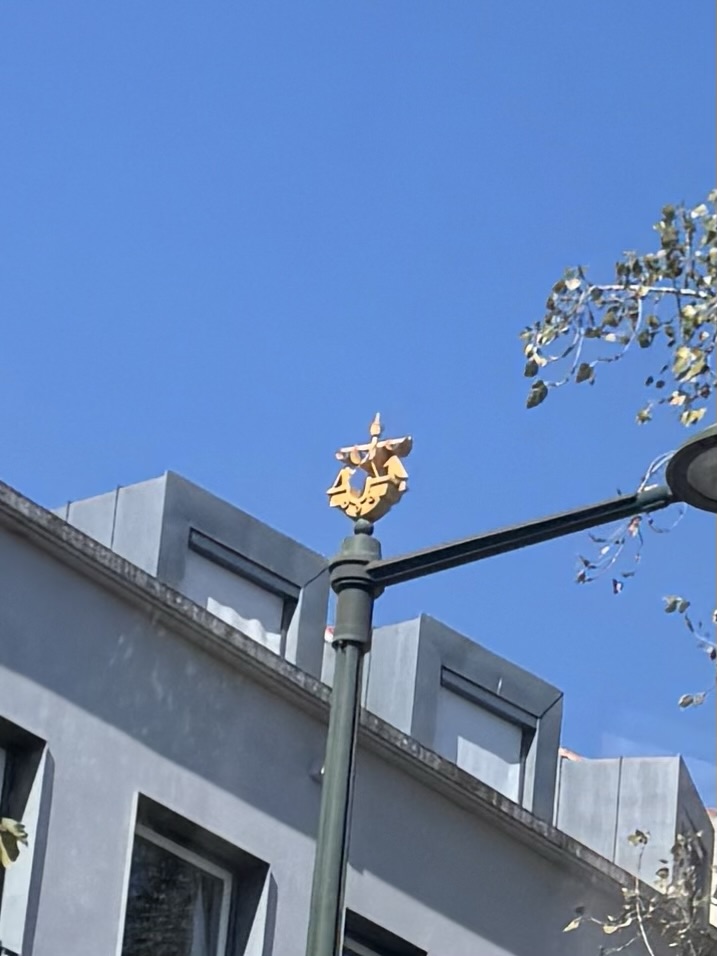
Navigation and exploration are such strong themes in Portugal that a bank uses ships in their logo, there are small ships on top of the light standards in Lisbon.