Today was disappointing as the weather didn’t cooperate for us. After over a week of perfect weather I guess I ought not complain, but it was especially important for today’s tour that the visibility be good and it wasn’t. Oh well, good reason to come back.
So, some basics first. The Azores are an autonomous former colony of Portugal, off the coast of the mainland in the North Atlantic. Far off the coast – like 1500 km. The Azores became a republic and gained its independence from Portugal in 1910. It, like Madeira, is a special territory of the EU. The archipelago consists of 9 islands with a mild oceanic climate. They all have volcanic origin and are in an active seismic zone. In fact, there was a recorded tremor on the day I arrived at 4.3 on the Richter scale centred near Ponta Delgada that was apparently felt here, but not by me.
I am only visiting the island of Sao Miguel which is economically, politically and demographically most dominant of the islands. More than 55% of the total Azores population lives on Sao Miguel. The largest city, where I’m staying, Ponta Delgada, is the seat of government and the transportation hub for the other islands.
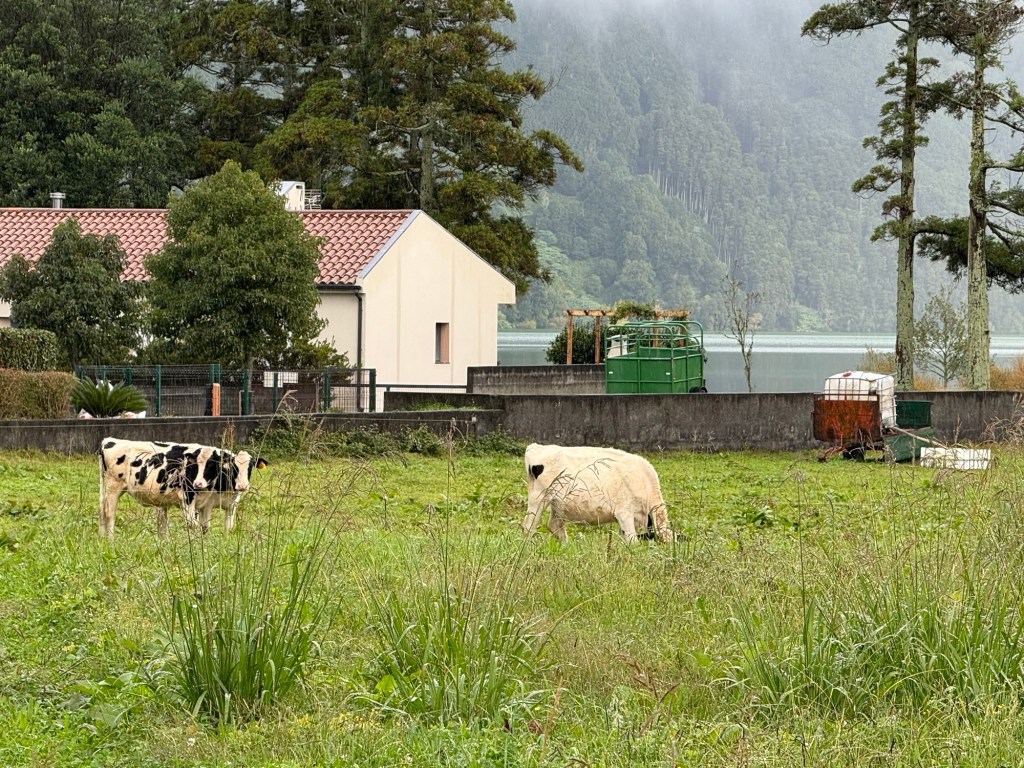
The two main economic drivers on the island, by far, are milk and milk products and tourism. There are reportedly more cows on the island than people and they range freely outside all year round. The farmers actually take portable milking machines in to the field to milk the cows rather than bring the cows into a barn. I saw some of the machines and their small holding tanks in one of the farmer’s yard. There are reportedly “cow jams” on a regular basis as herds move between pastures.
Tourism has taken a hit in the last year, both in terms of overnight stays and visitor numbers. It appears the biggest reason is the reduction in airlift to the islands with the pulling out of Ryanair. Ryanair reduced some flights to a few different locations in Europe in 2026 but cut off all flights to Portugal, Azores and Madeira because they felt the government increases in taxes, airport costs etc was too high.
Pineapples, tea, other fruit and veggies are also produced in large quantities here but only for local consumption. Where there are now cow pastures used to be orange trees. In the 18th and 19th centuries, oranges were a major export and the backbone of the Azorean economy. However, between 1840 and 1860 a Brown Soft Scale insect was introduced to the islands and between that, other plant diseases and competition from places like Florida and California, the orange trade collapsed. Established in 1883, Sao Miguel is the home to the only commercial tea plantation in Europe.
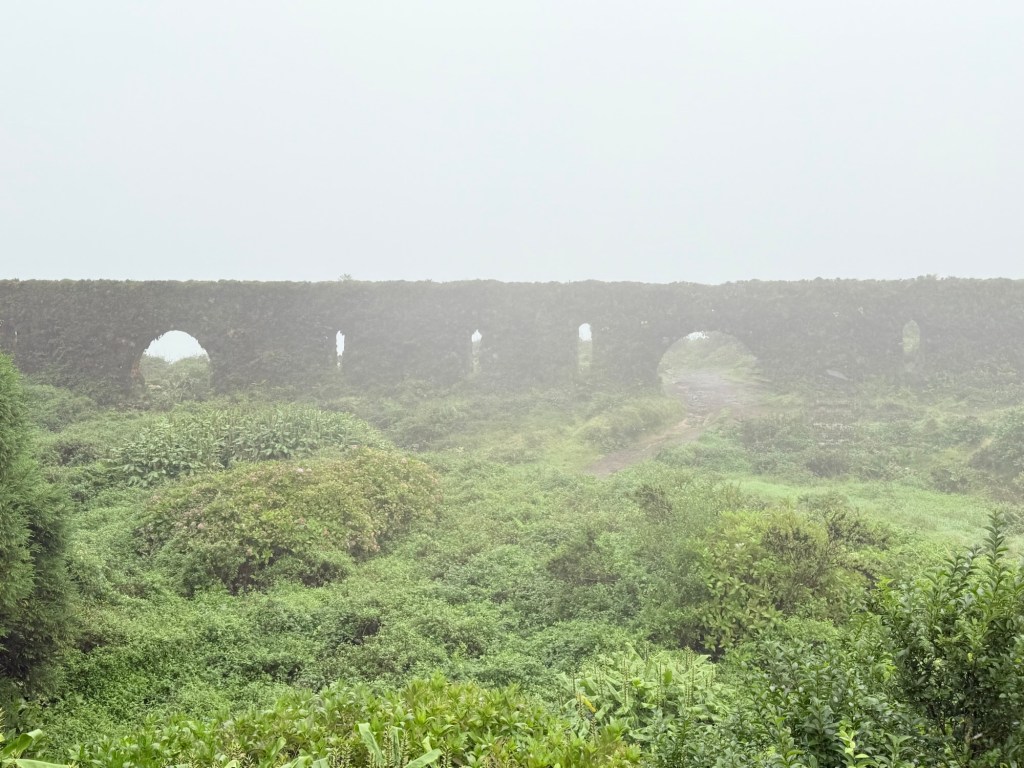
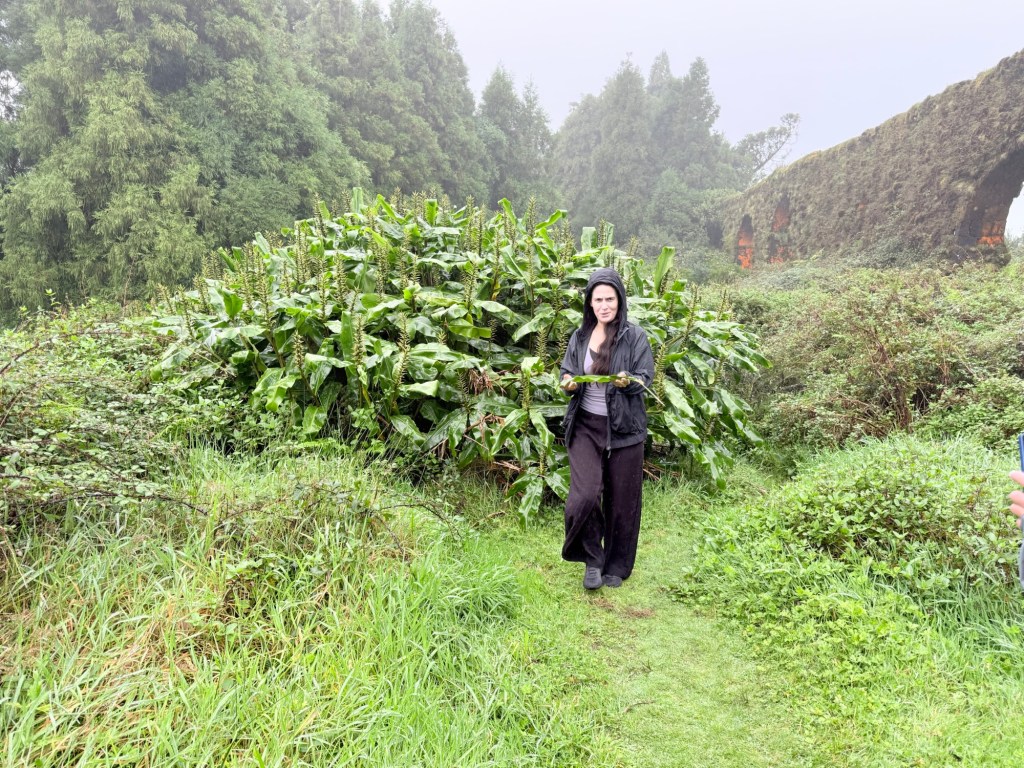
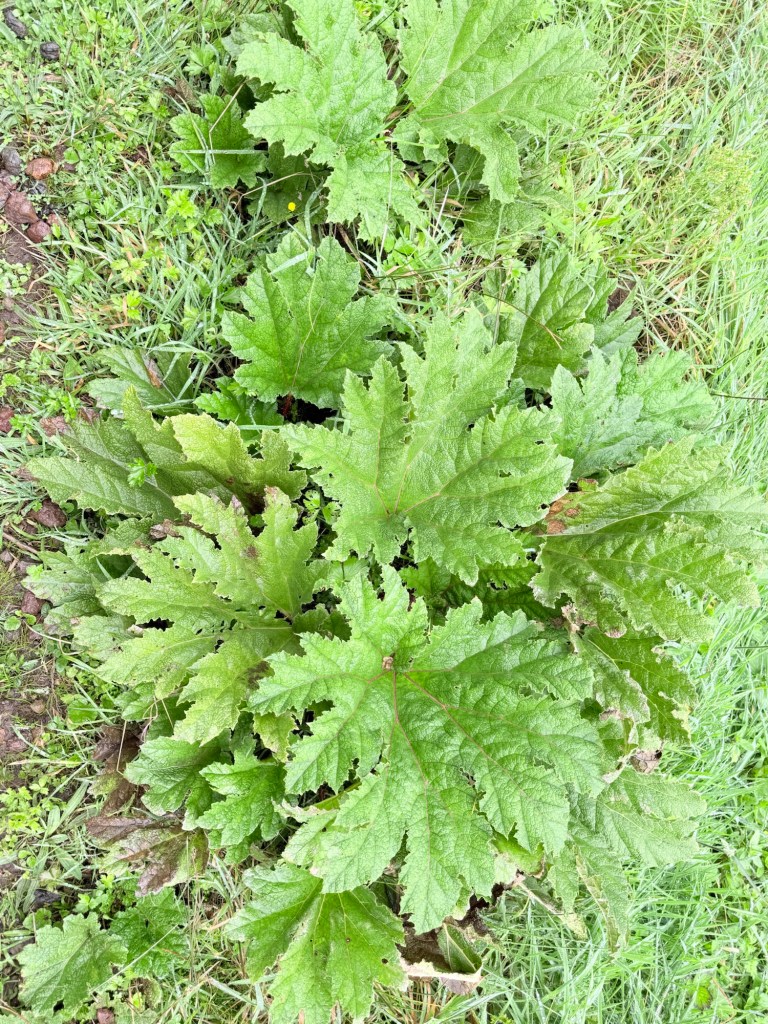
It wasn’t bright blue sky but it wasn’t raining and didn’t appear to be completely overcast this morning. We were picked up in a 12 passenger bus at the hotel for a 4 hour tour of some parts of the island. Our first stop was the most often photographed land feature on the island, Sete Cidades (7 cities). Cameras in hand we headed out. Ponta Delgada is on the south coast of Sao Miguel and we headed west toward the Sete Cidades district. As soon as we left the coast line and headed up into the higher elevation, the mist started and then the rain. We stopped to have a look at an aqua duct constructed in 1830 and used to bring water to the city until 1888. It was a little mystical feeling with the colours muted by the mist. Our guide, Claudia, pointed out some invasive species plants to us that have become a problems for them, including one that is of the rhubarb family.
Throughout the island we saw so many roadways with huge hydrangea hedges lining them. There were a few fresh blooms left, but for the most part they were done for the season. I can only imagine how wonderful it would have been to see them in July at the height of the blossoming. The plants were originally brought over to be used for decor, adding colour to the landscape, but they discovered that the cows didn’t eat them and didn’t even like to go near them so they started using them as fences between fields where there were no stone walls built.
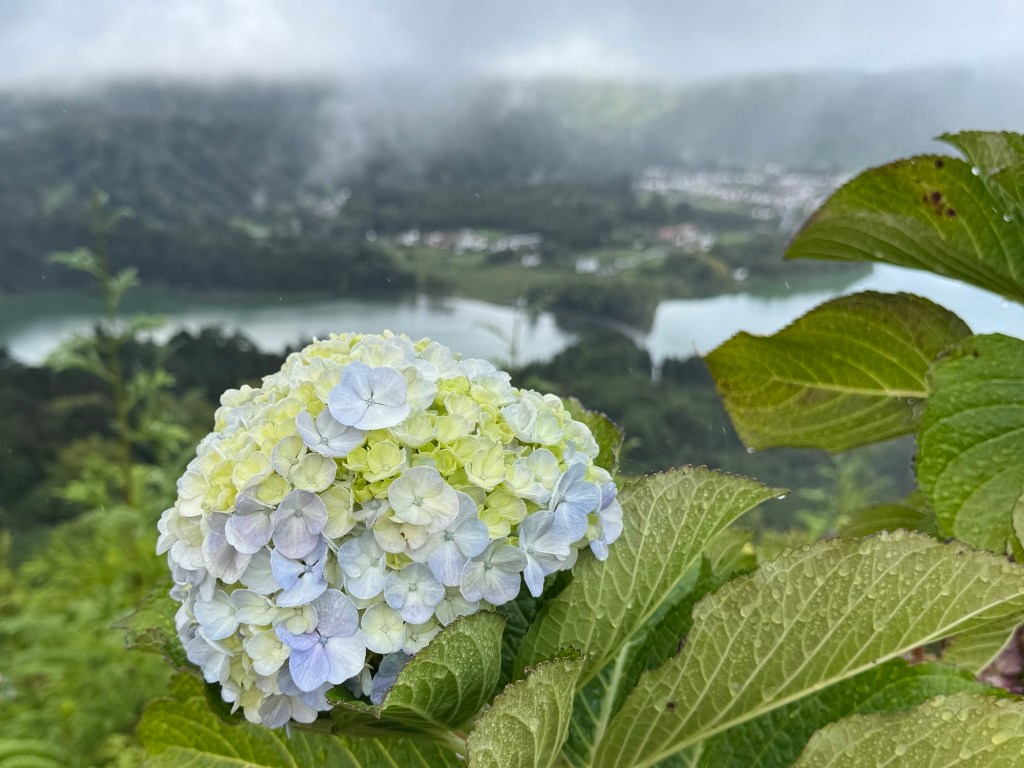
Our next stop was at a viewpoint called View of the King and today sadly it was a view of a vast grey nothingness. Some folks jumped off to have a look and see if they could get a photo, but no such luck. So we made our way down the hillside to see the lakes that would have been part of the view from the top. Being closer to them made them somewhat more photogenic.
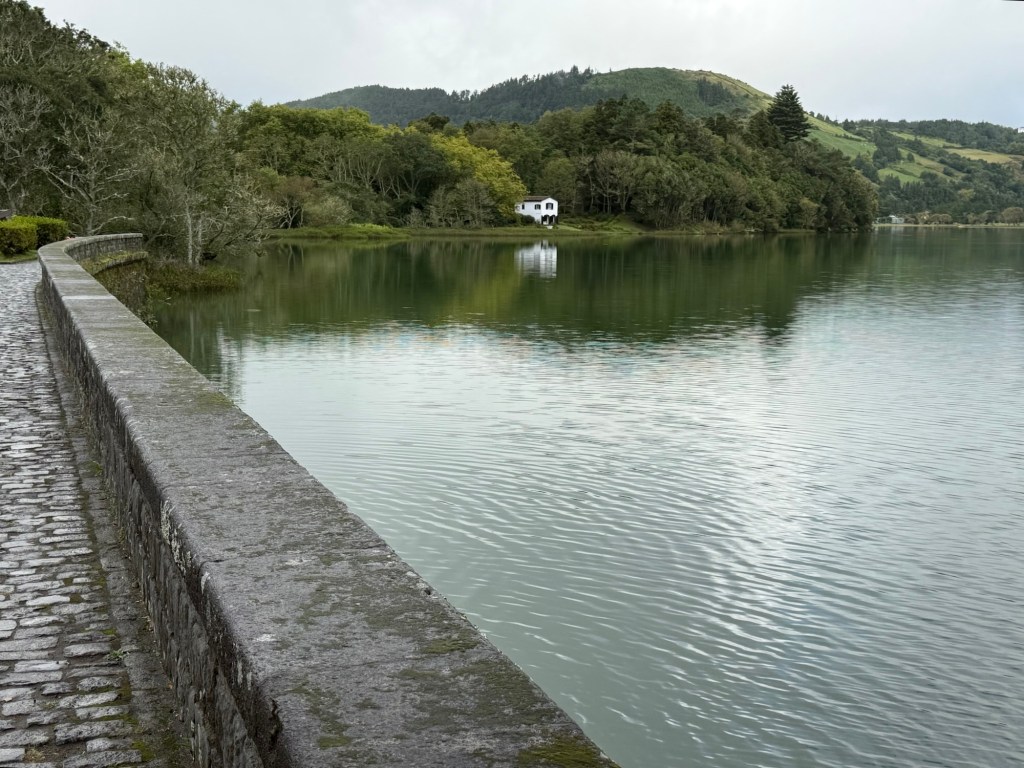
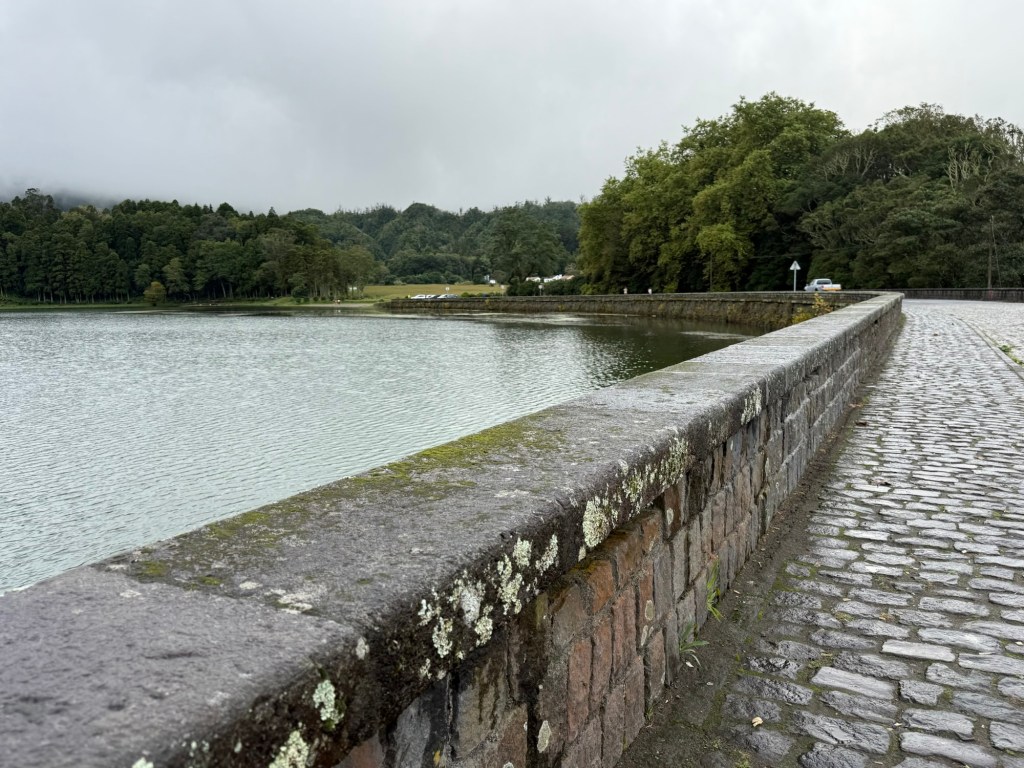
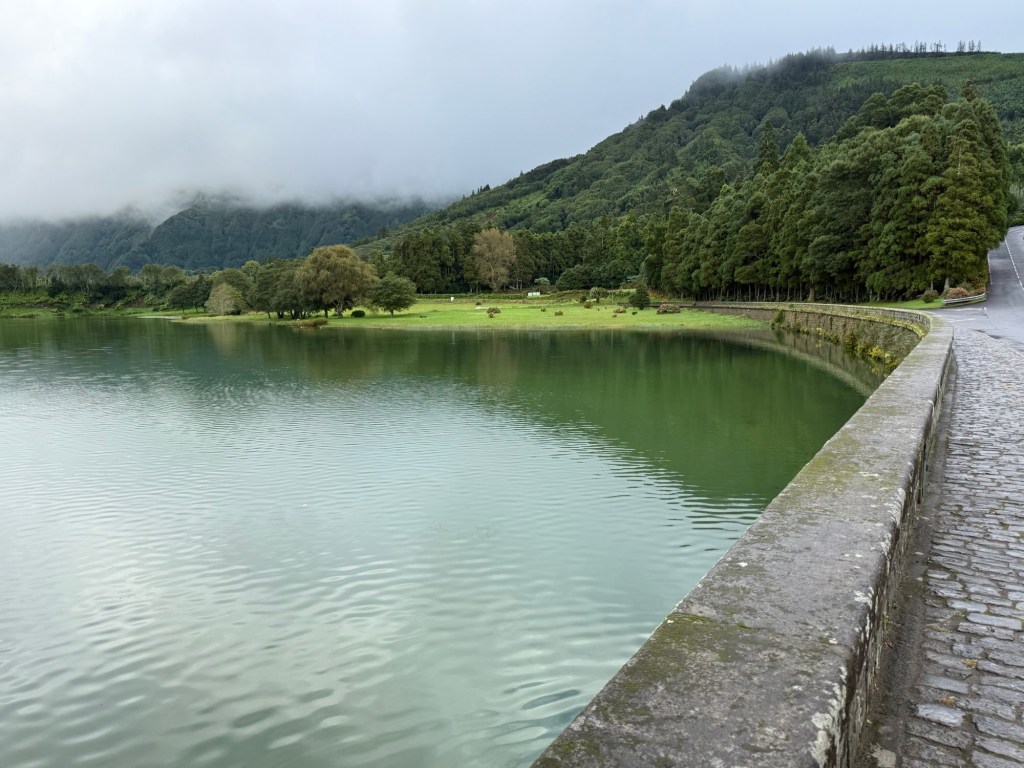
There are volcanic lakes throughout this region and some look green and some blue, depending on the angle of the sun, assuming there is one. There are forests of the slow growing Japanese cedars throughout the area which take 25 years to mature. They look somewhat like Norfolk Island Pines which we can get to grow indoors, but they are a different species. We stopped to take some pictures and despite the gray it was still beautiful
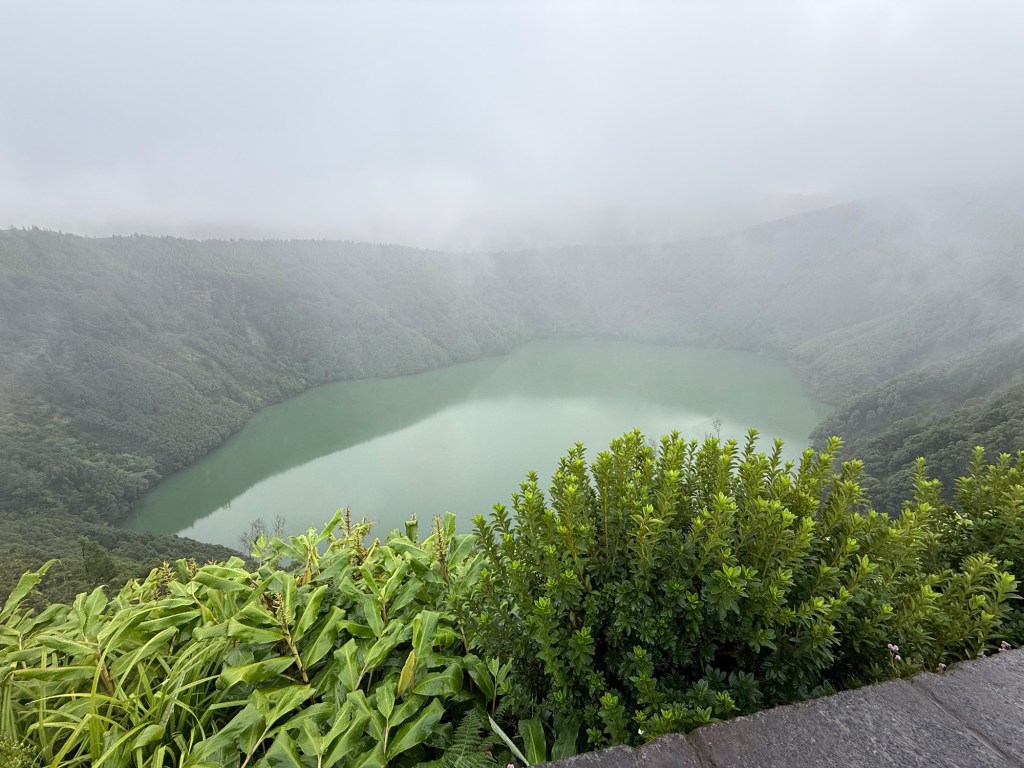
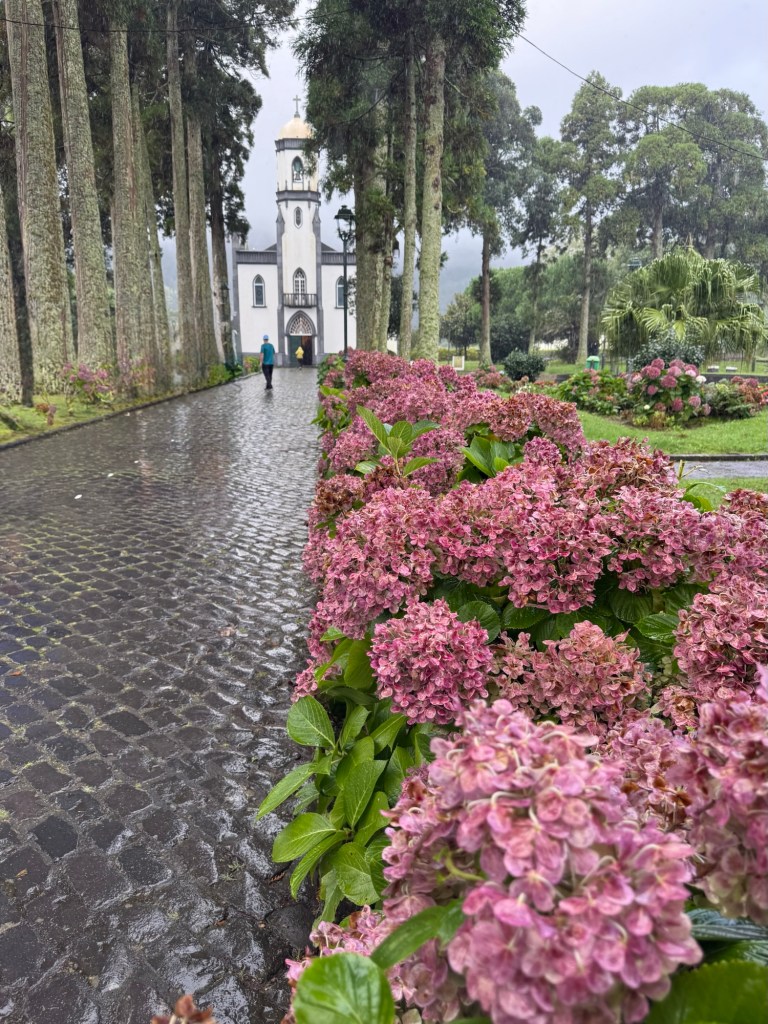
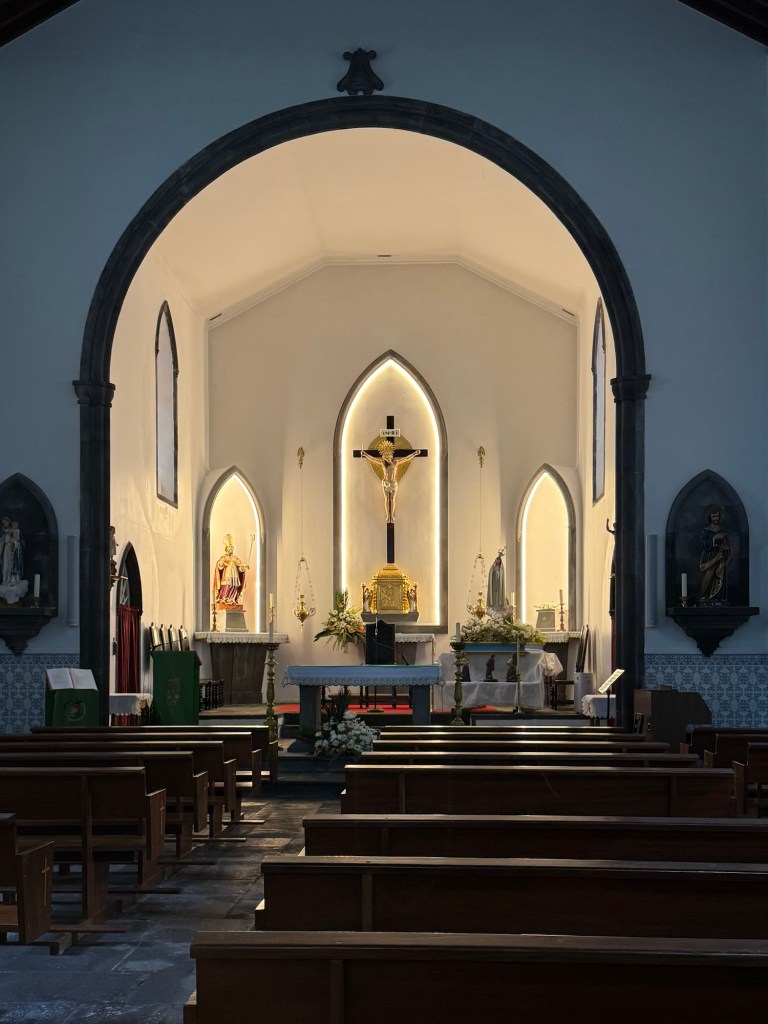
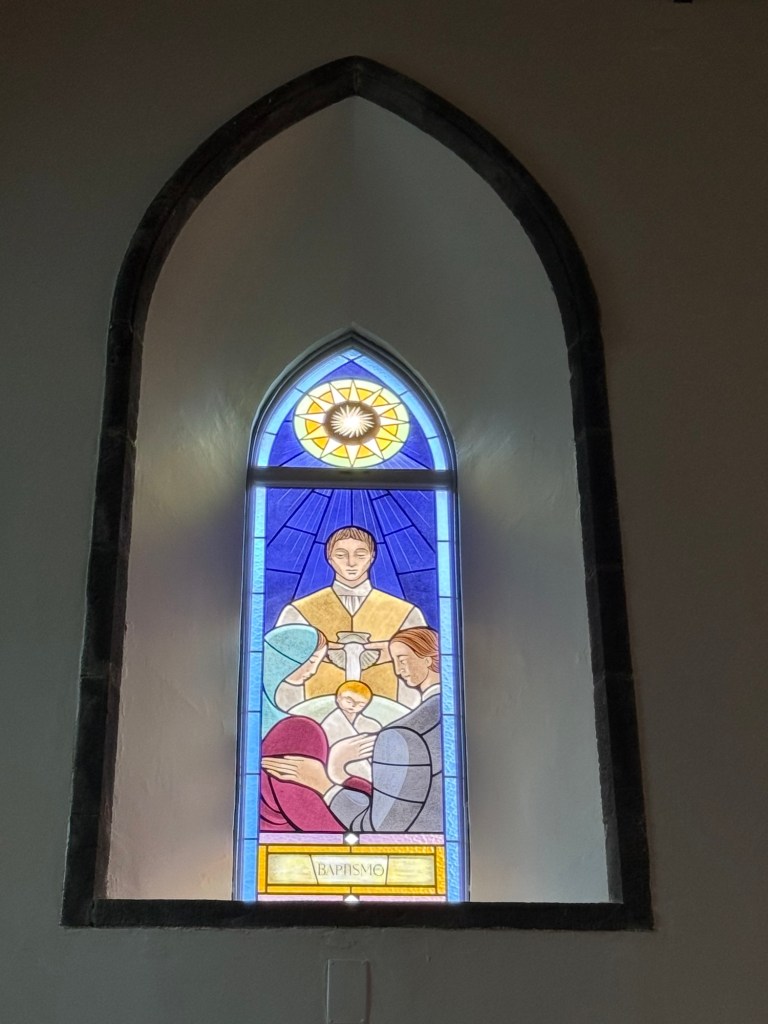
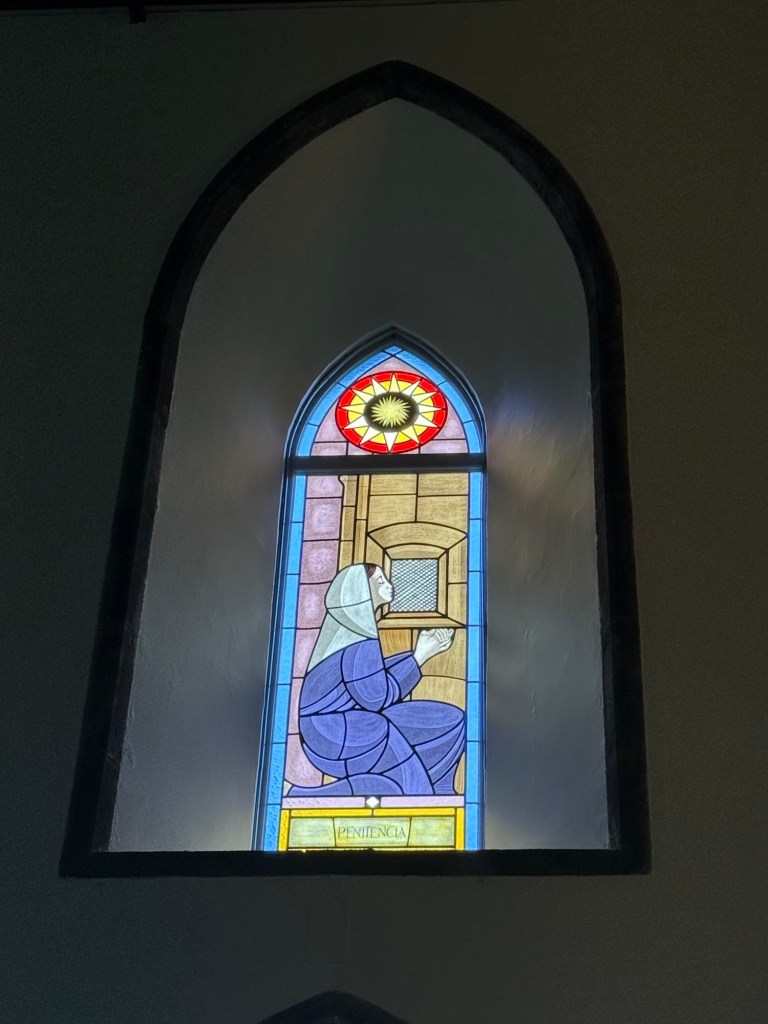
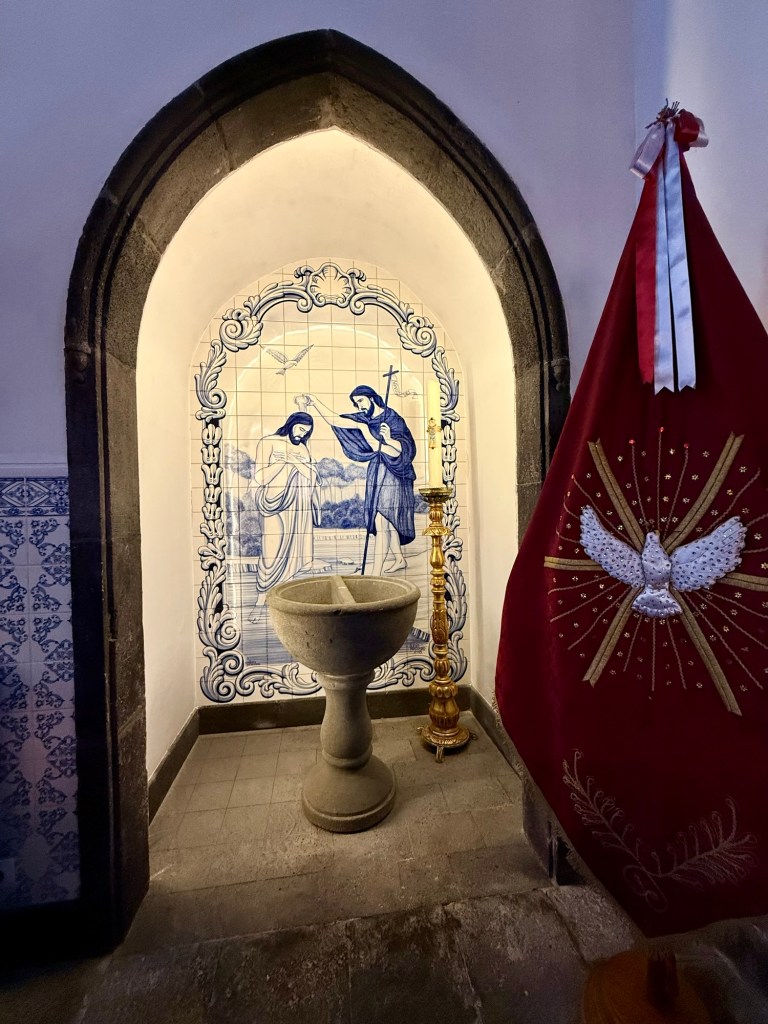
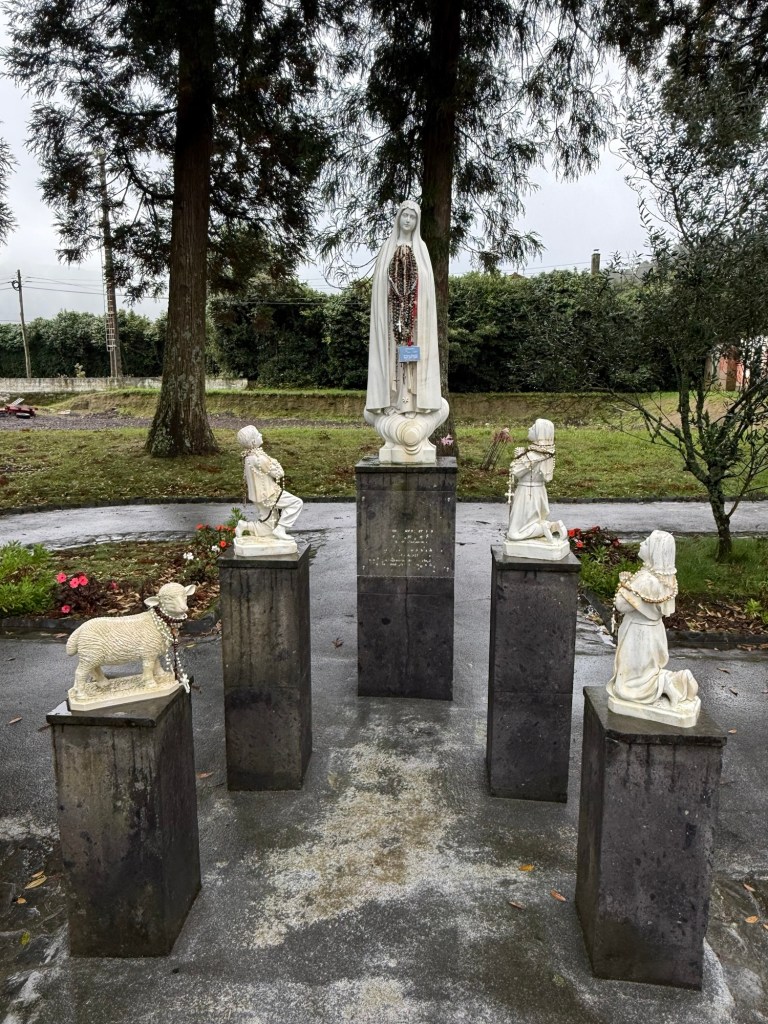
St Nicholas Parish Church was our next stop, along with a cafe/comfort break. This small neo-gothic church was built in 1857 and was the seat of the parish in the 20th century. Probably the neatest thing about the church is the walkway up to it, lined with hydrangeas and Japanese Cedars. The stained glass windows looked contemporary to me, but I couldn’t find any reference to them being installed after the church was build in 1857.
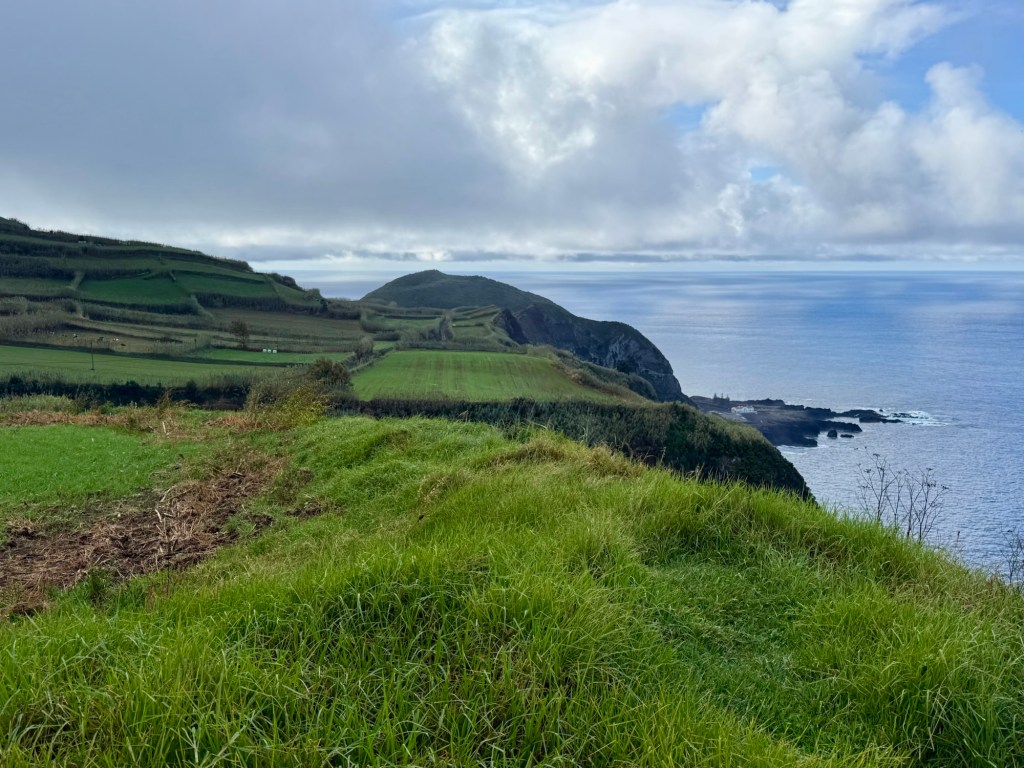
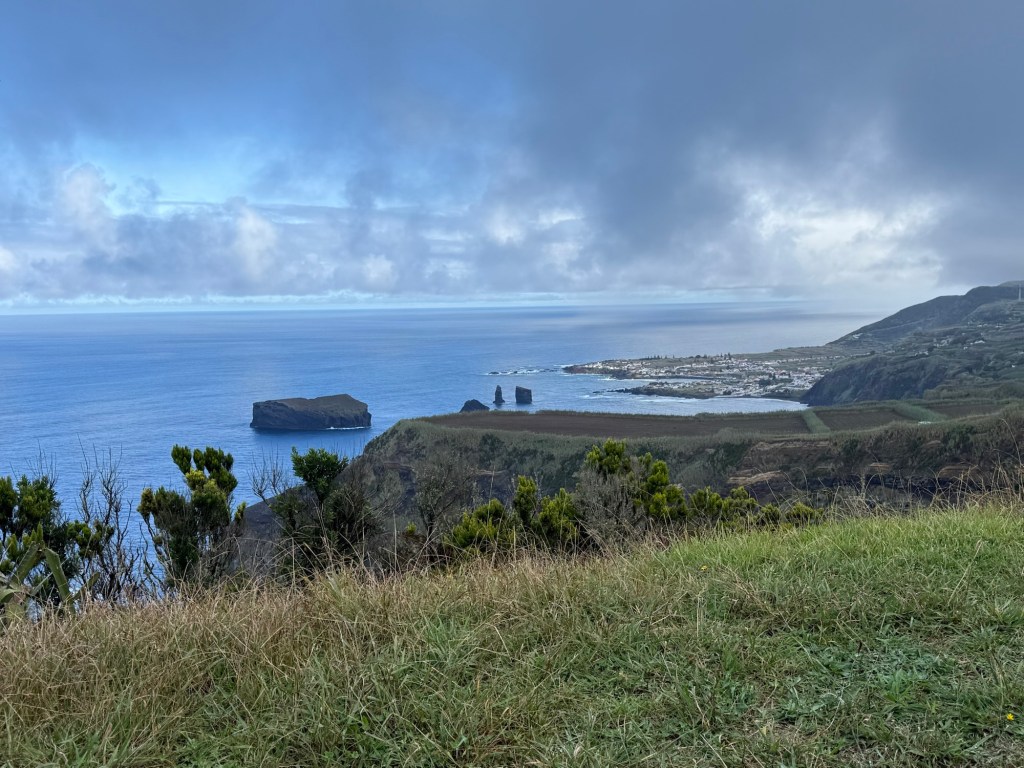
We left the Sete Cidades district and headed out to the coast with a view point stop along the way. You can see from the pictures taken in both directions from this viewpoint where a historic volcanic eruption has spilled lava which flowed into the sea creating a new plateau of land. The whole area was quite picturesque.
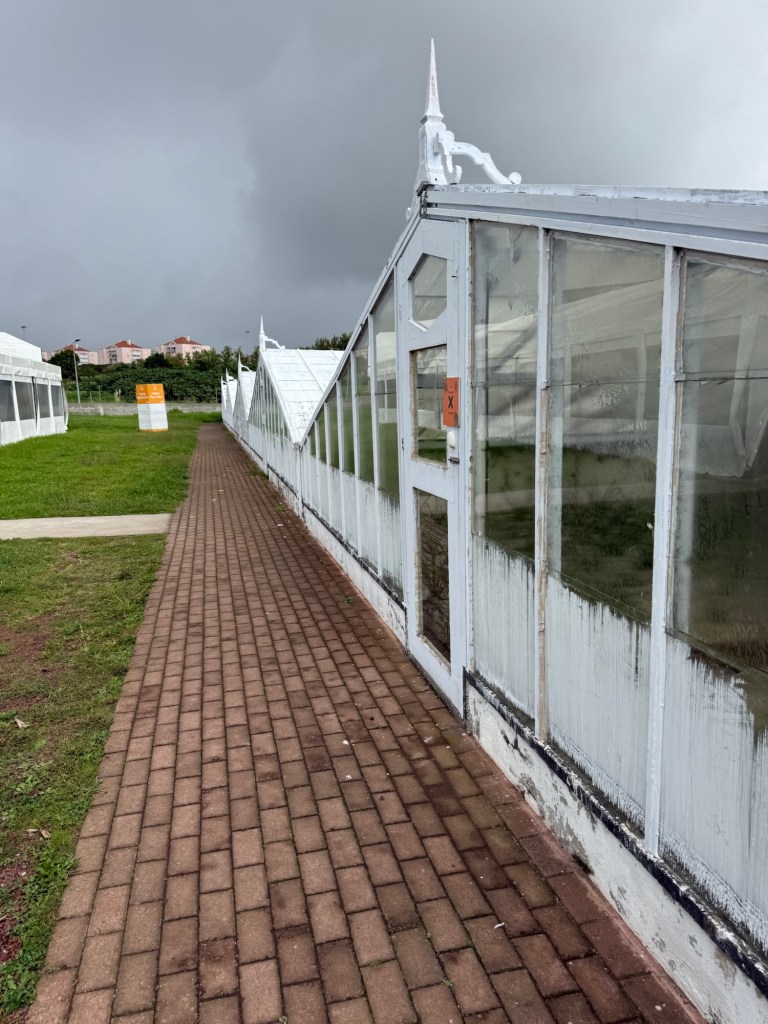
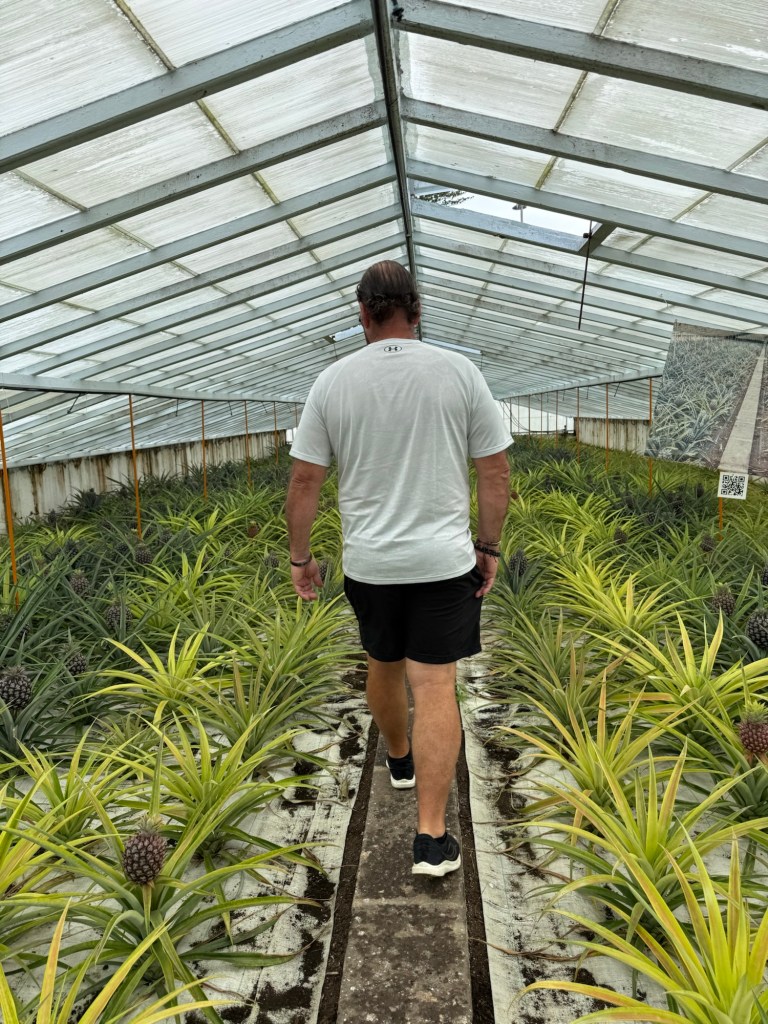
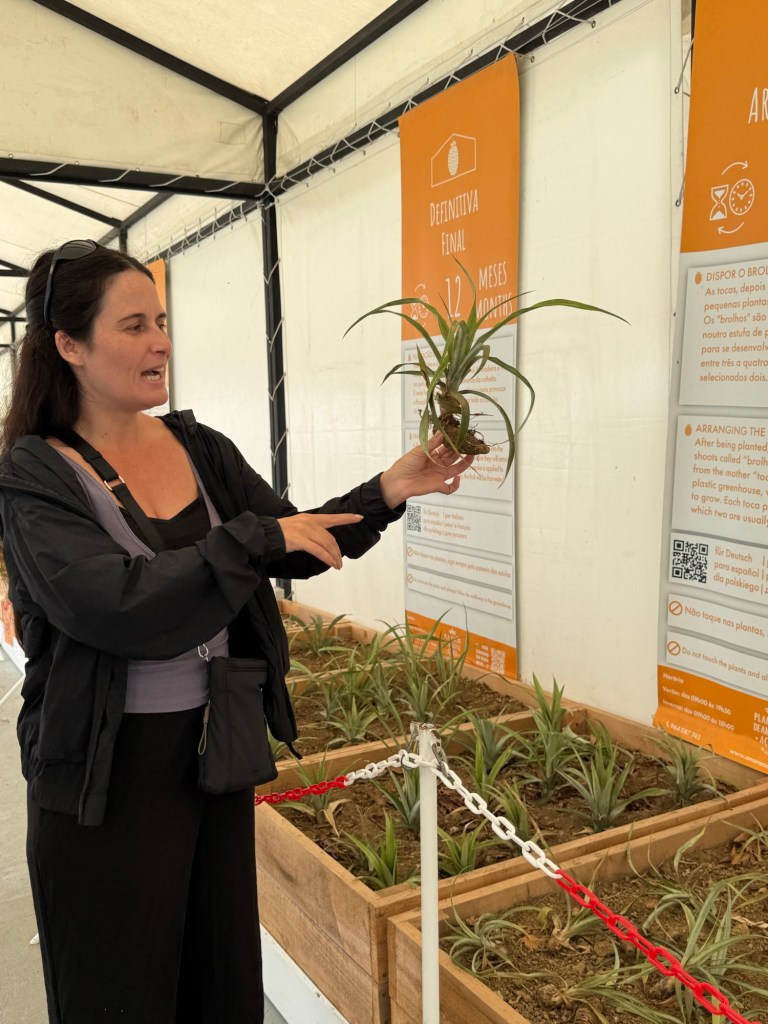
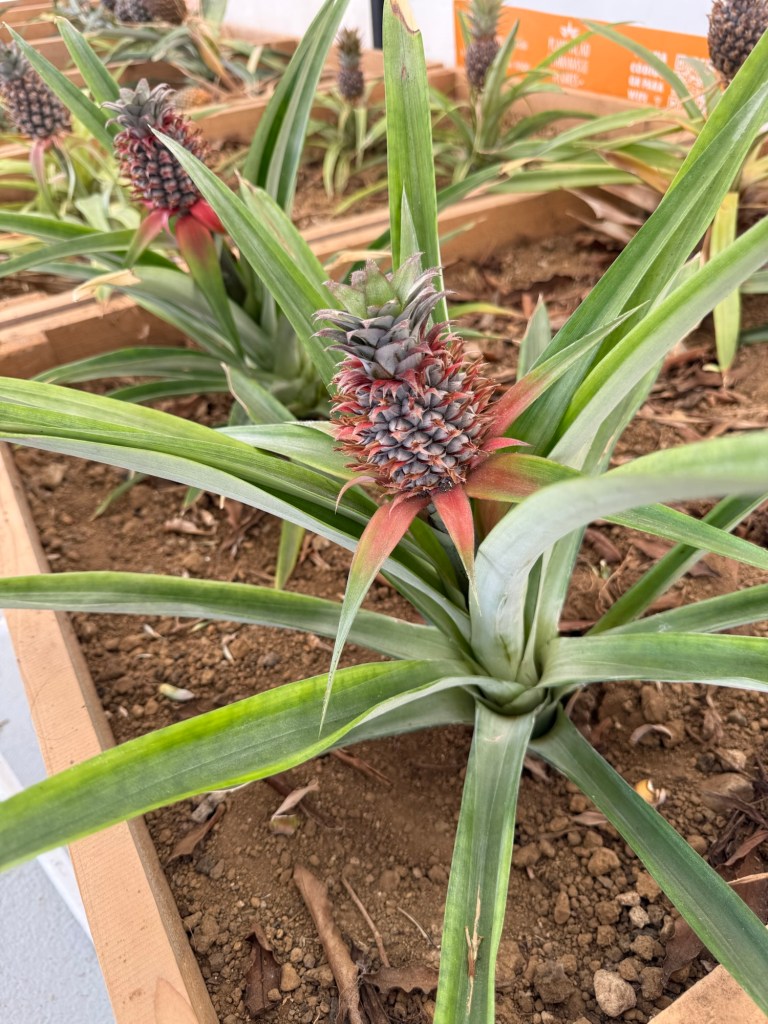
Our final stop before being dropped off at the historic city centre was a pineapple farm including a demonstration centre. Pineapple growing was introduced on the island in order to diversify the economy in the 19th century. The climate isn’t warm enough to grow pineapples outside, and so they are grown in hand-build wooden and glass greenhouses using quite manual processes. To keep the plants from being sun bleached, the windows are white washed to reduce the rays coming in while maintaining the warmth.
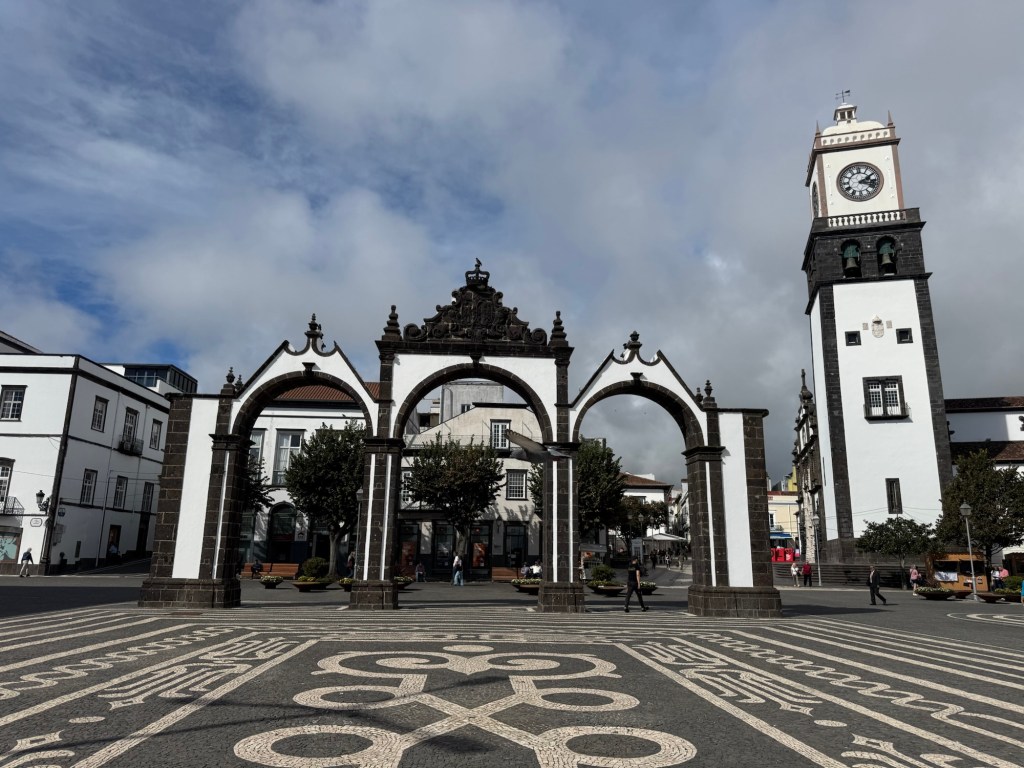
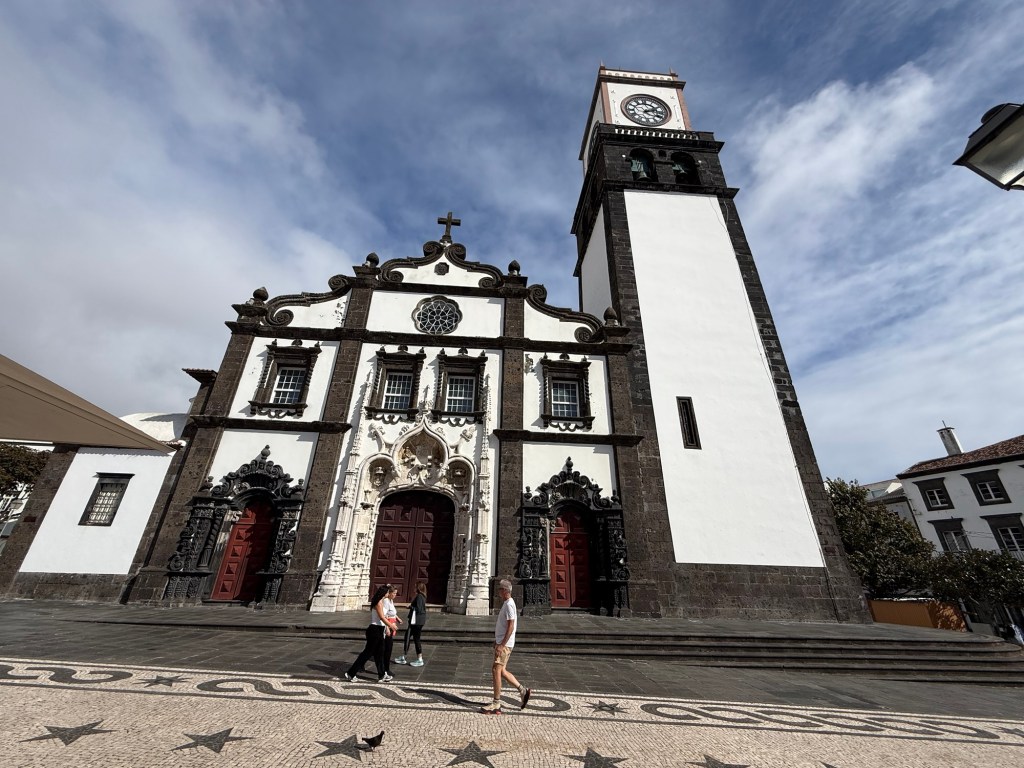
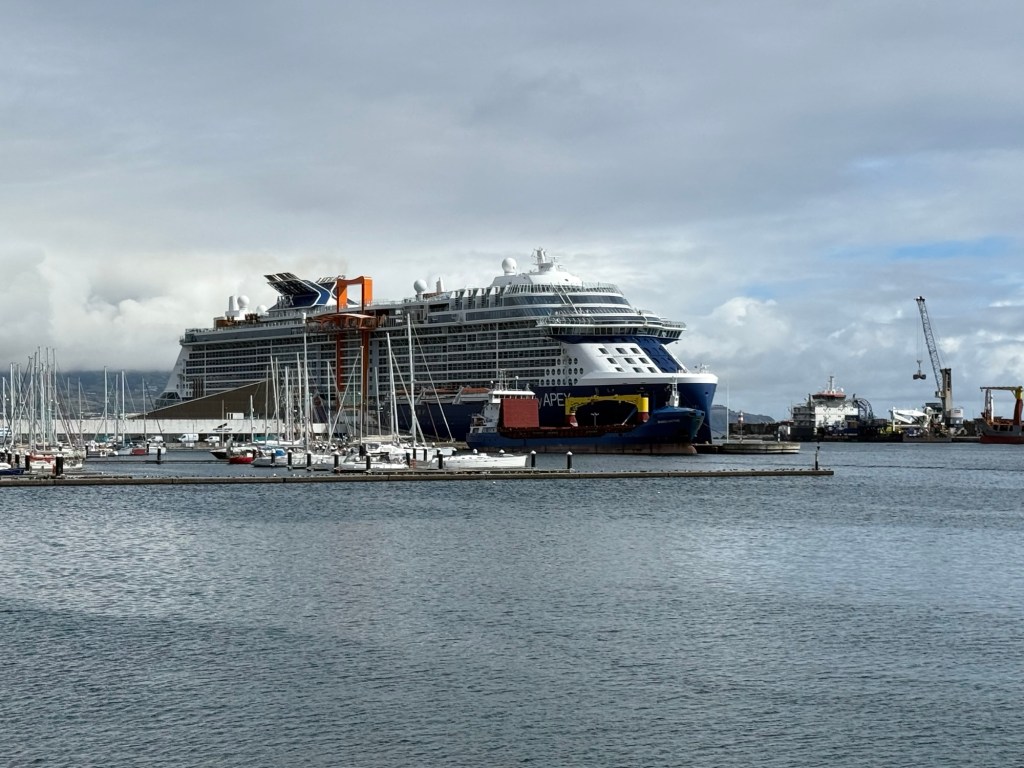
I hopped off the tour in the historic area because I hadn’t yet had a chance to wander through it yet. Others carried on back to the hotel. The gate into the city is very well-taken Kodak moment, although despite there being a huge Celebrity cruise ship in the harbour today, it didn’t feel like the city was overcrowded.
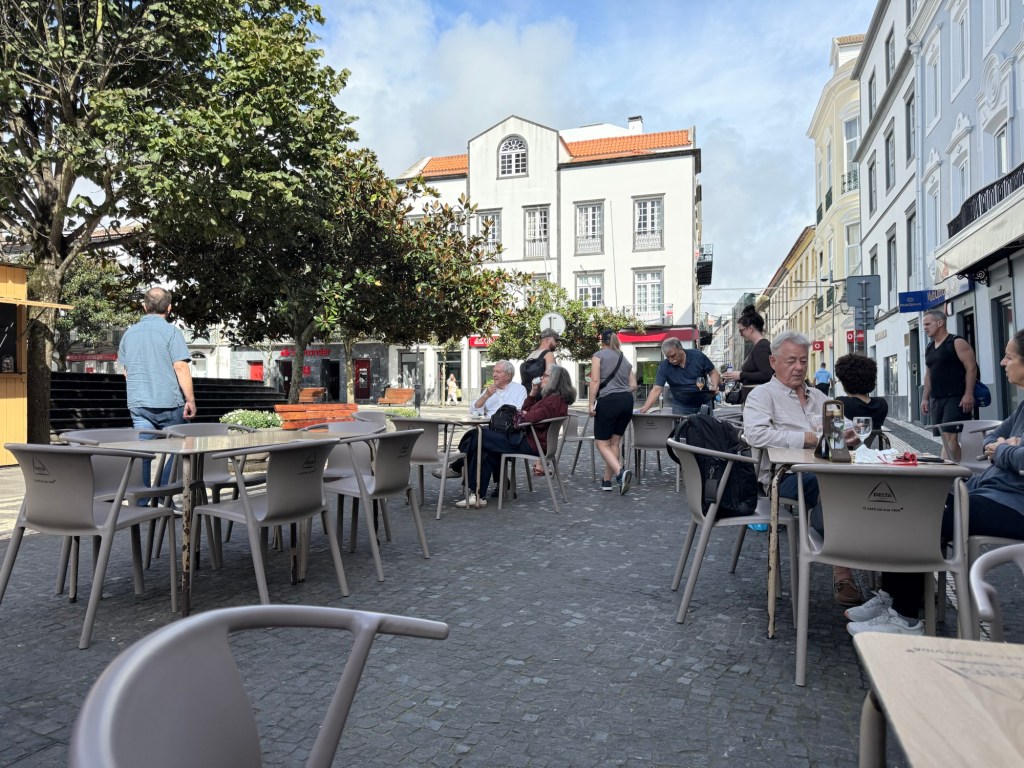
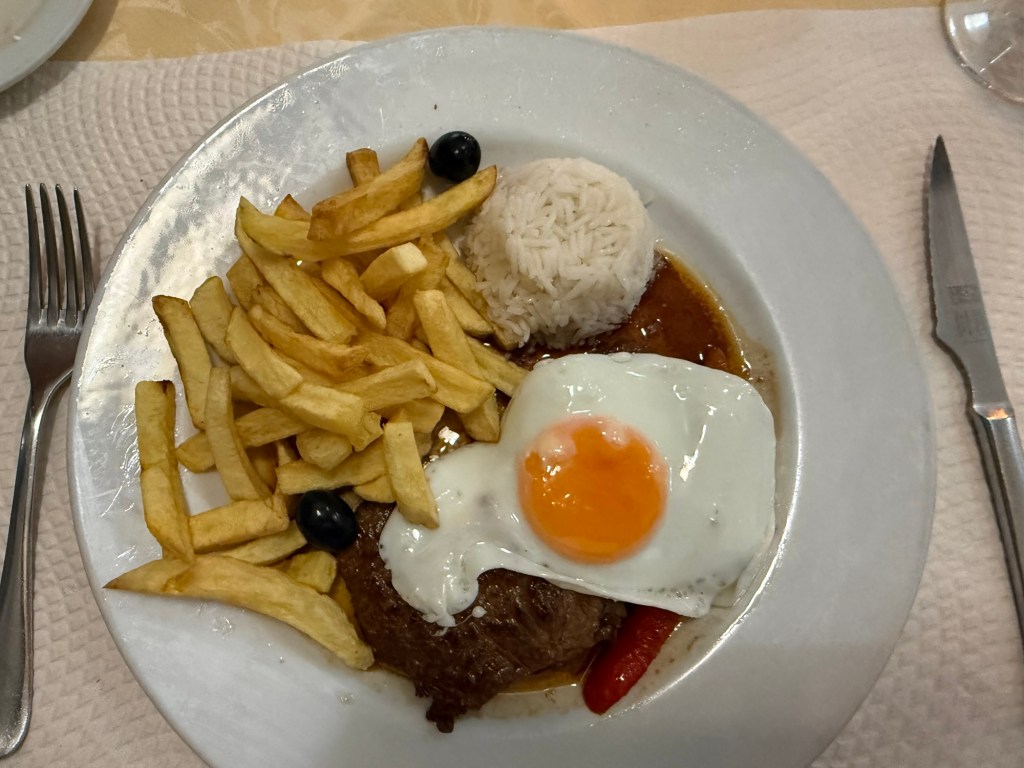
Our guide recommended a couple of restaurants to us if we wanted to try the local beef specialty and on my way back to the hotel I stopped in a made a reservation at a place that has been in business since 1947, the Restaurante Nacional. I booked the earliest time I could because I can’t stay up too late any more!
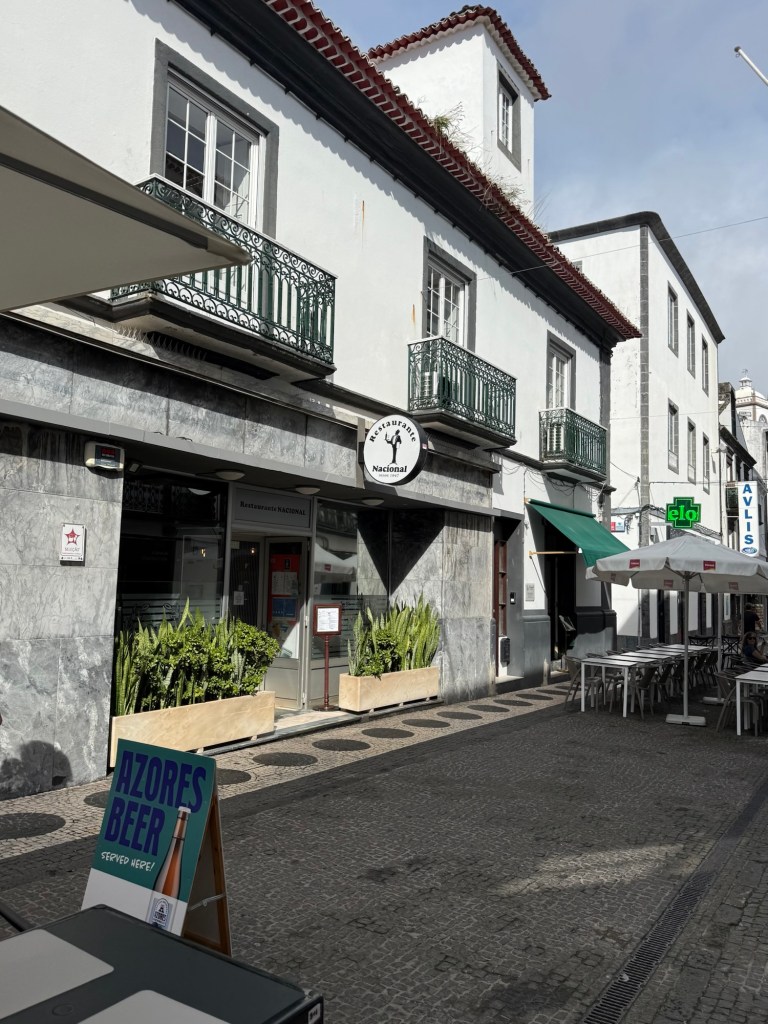
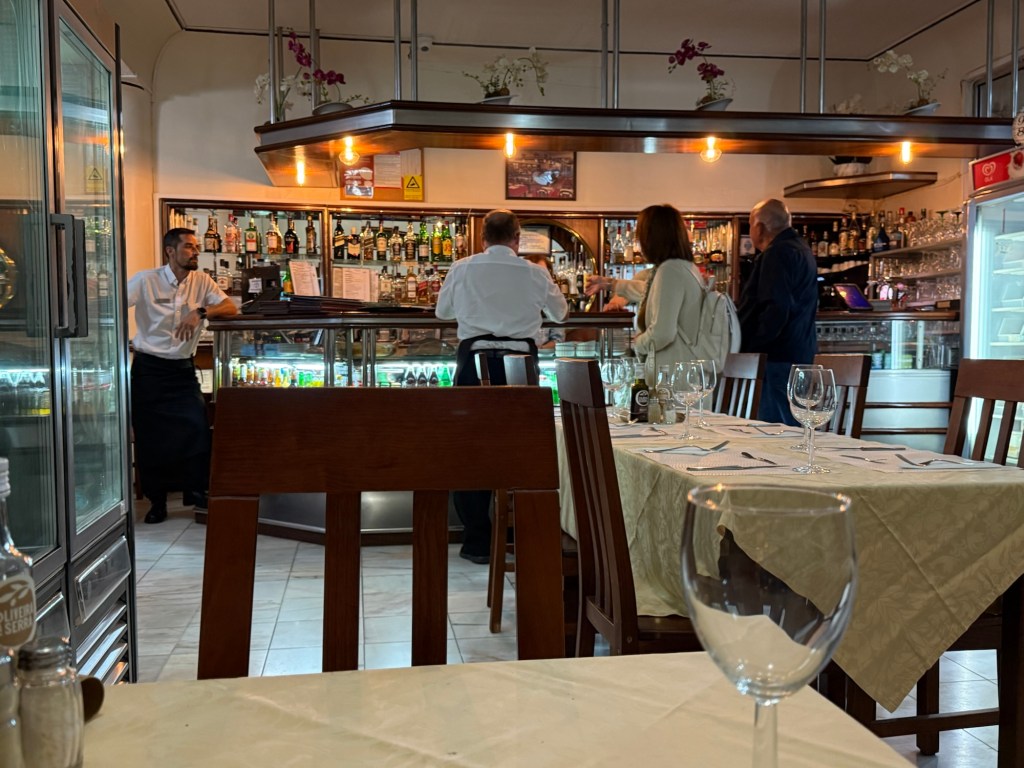
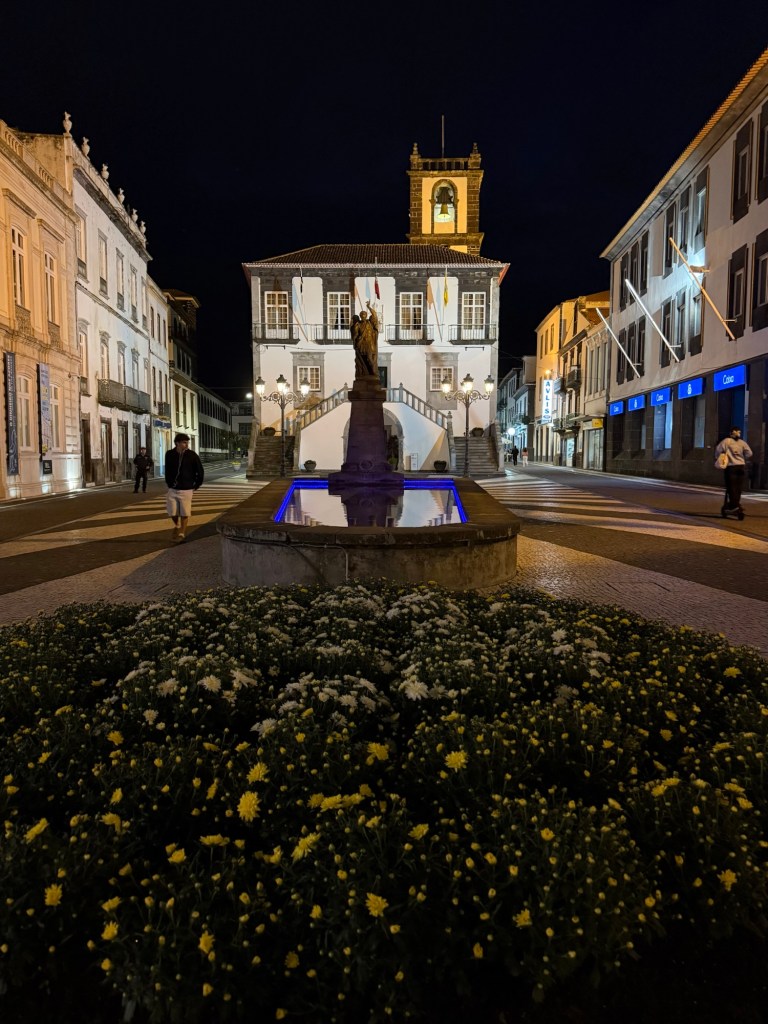
Dinner was amazing and I really enjoyed it, however it doesn’t meet or exceed the lunch at the winery in the Douro Valley a few days ago. I think the waiter was potentially from 1947 as well but he was very nice. It was actually dark by the time I made my way home and I’m not usually out past dark when travelling alone, so it was nice to see the lights and feel like a grown up.


Lois, you’re a great writer and travel blogger, and it’s always a joy to read about your adventures. I don’t know if you remember me, but Howard and I traveled with you in Morocco some years ago on a G Adventures National Geographic trip. I especially recall that you bought a beautiful handwoven rug for your den, I think—primarily grey and around 5×7 or 8×10!
LikeLike