Today we stepped foot in Scotland, the land of some of our ancestors, for the first time. I didn’t kiss the ground but it did feel significant.
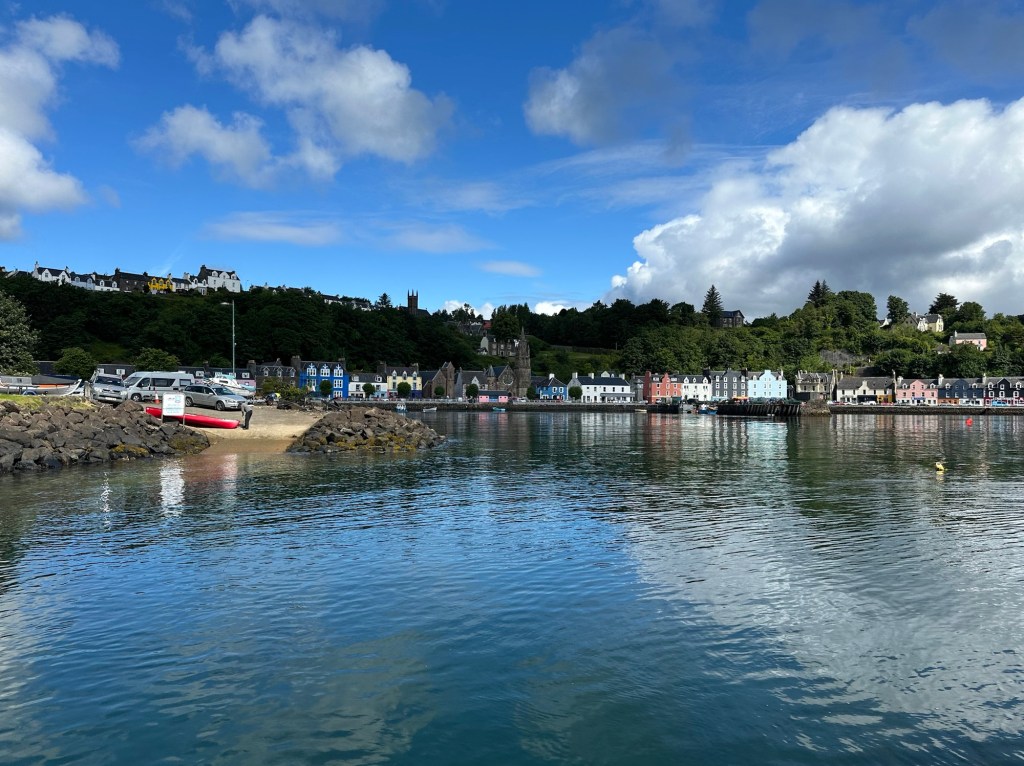
We are on the Isle of Mull, one of the 80 or so islands of the Inner Hebrides on the west side of Scotland. Only thirty five of the islands are inhabited. The Isle of Mull is the second largest of the inner Hebrides after Skye, and the 4th largest in Scotland and all of Great Britain.
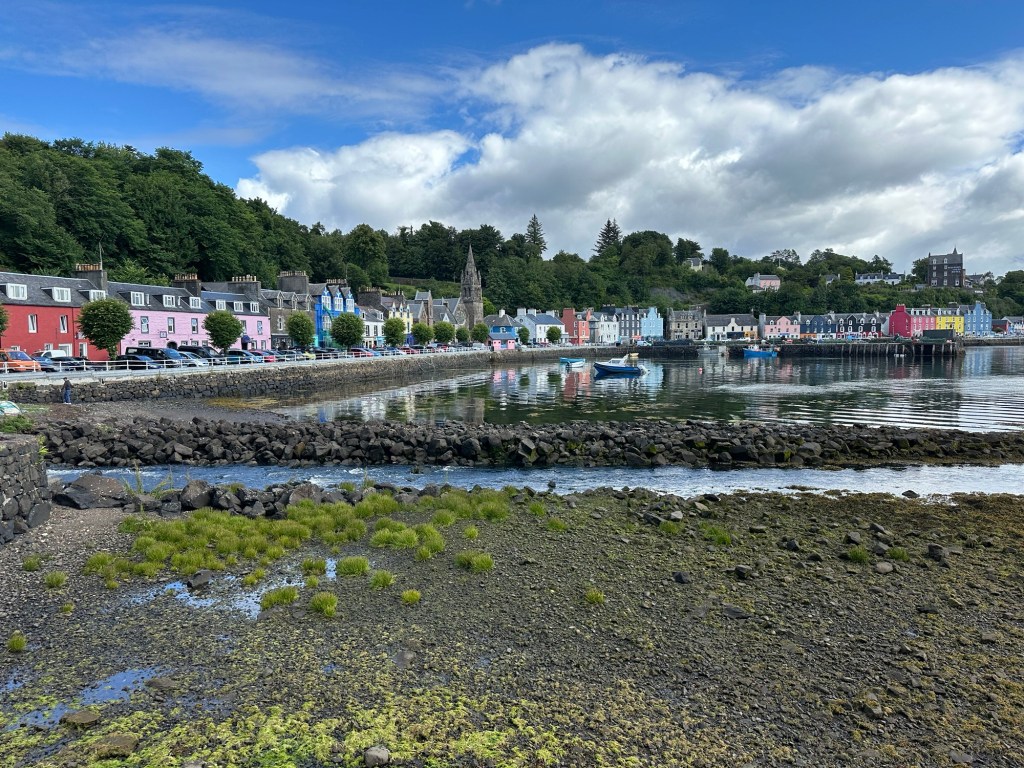
The island has a population of approximately 3000 with 1000 of them living in the capital of Tobermory. The economy of the island is based on fishing, tourism and whisky distilling. The climate of the islands is moderated by the Gulf Stream.
In the 18th and 19th centuries there was a tremendous population decrease due to forced emigration called the Highland Clearances. Starting in 1750, landlords wishing to increase their income evicted those renting small fields and created larger farms to increase farming efficiency and secure better rent. The larger fields ended up making industrialization of farming easier to scale.
Historically, two Gaelic subgroups, the Picts and the Gales were the ancestors, and for 400 years the island became part of the Norse kingdom along with the Isle of Man and Skye. In 1266 the area was transferred to Scotland by the Treaty of Perth in 1266. These people with Norse Gaelic roots became the controlling clans of the Macleans, MacLeods and the MacDonalds.
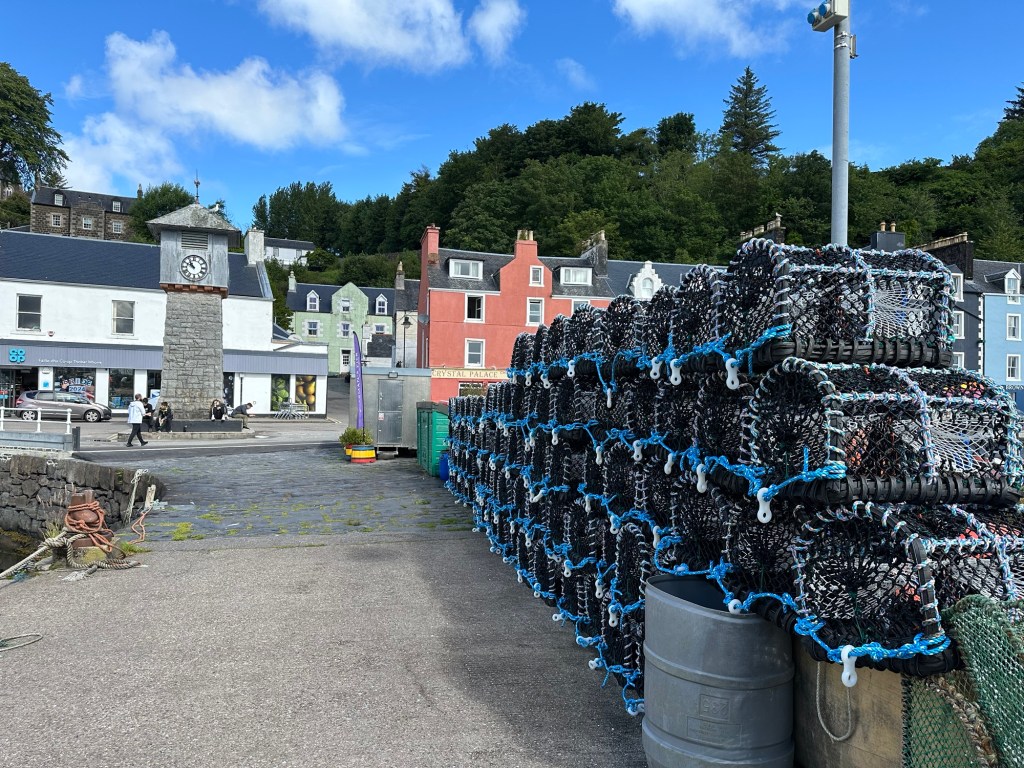
Then starting in 1841, when those that had lost their land could not find appropriate accommodation and were living in overcrowded rentals, and had no ability to support themselves were given “assisted passages”. Basically the landlords paid tenants their passage to other countries and the tenants had no option but to go. The Highland potato famine also struck at the end of the period exacerbating the decline in population to the point where the area has the most sparsely populated area in Europe.
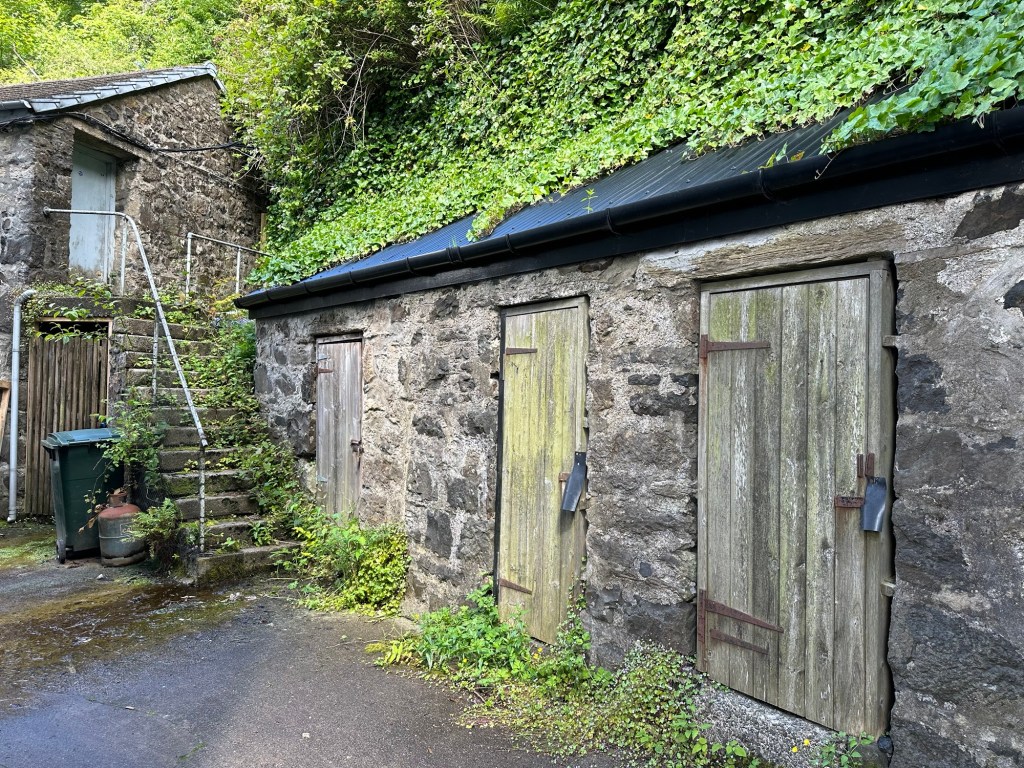
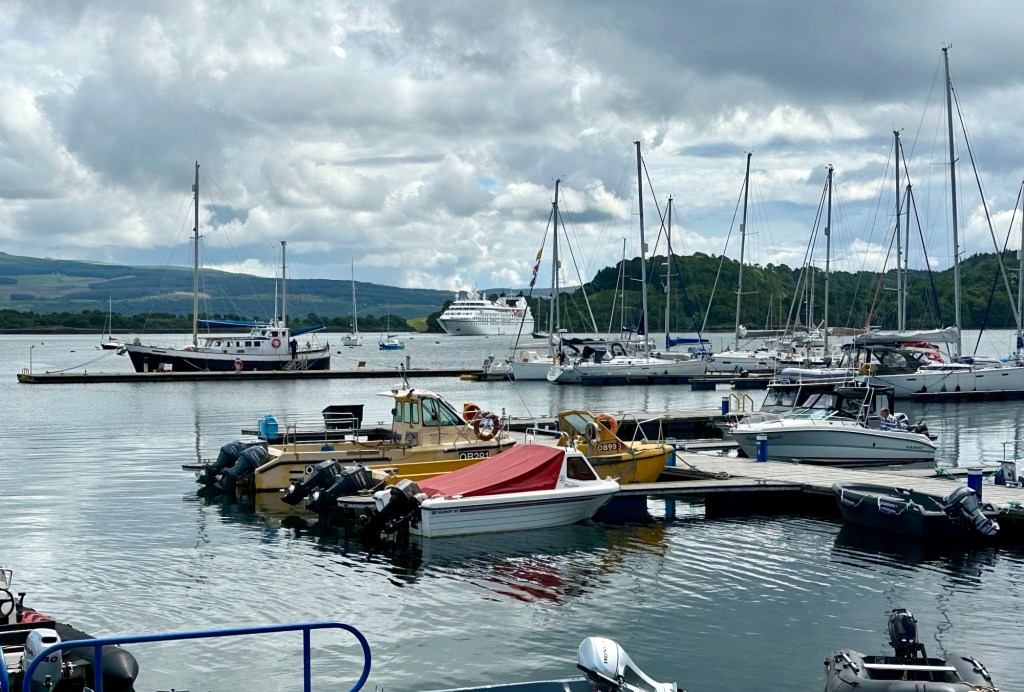
Tobermory, the capital of the Island of Mull and a great natural harbour, is in the northern part of the island, and started as a fishing port in 1788. The name Tobermory is derived from the Gaelic “the well of Mary”. It’s said by some that the Virgin Mary had appeared at a nearby well.
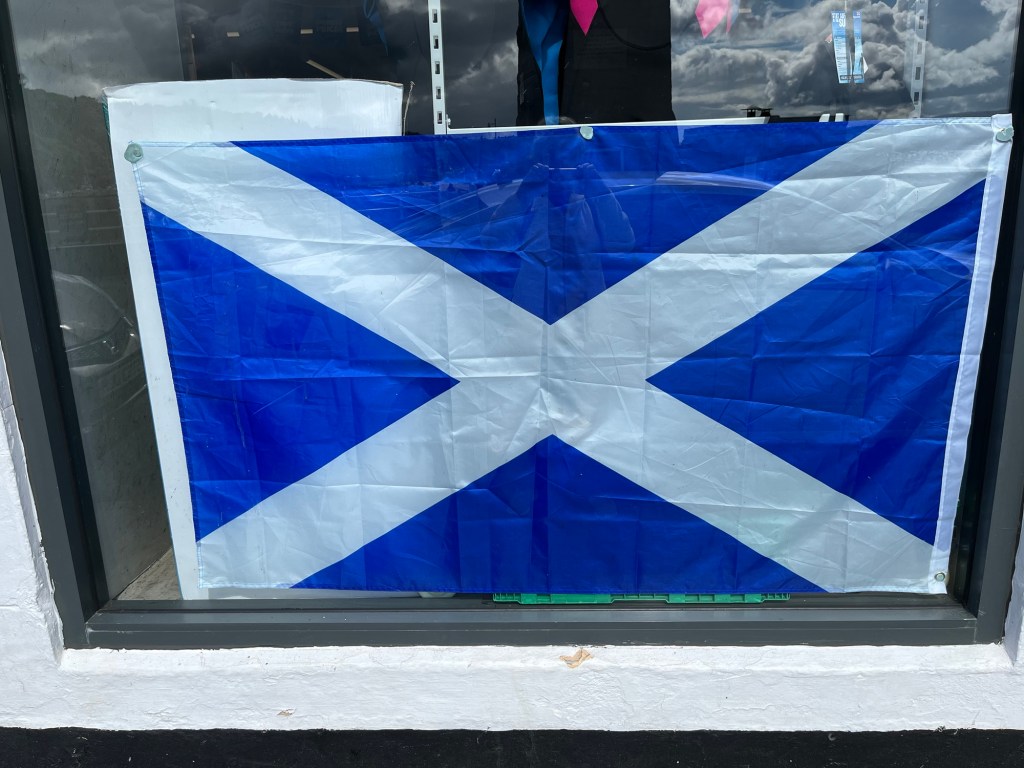
When the Spanish Armada were fleeing the English in 1588, one ship by the name of Florencia, anchored in the harbour of Tobermory to take on provisions. A fight about settling the bill broke out and before anyone knew it, the ship was on fire and sank to the bottom of the bay. There was a reported 300,000 pounds sterling of gold on board, and despite numerous expeditions no treasure has ever been recovered.
Of interest to us as Canadians was that in the mid-1800s, emigrant sailors travelled to Canada and specifically to Lake Huron in Ontario and founded the small community of Tobermory at the tip of the Bruce Peninsula. There are twin harbours known locally as Big Tub and Little Tub which provide safe harbour on Lake Huron which can get as rough as the oceans. I have visited Tobermory a couple of times and have even taken a boat tour which takes tourists to see two ships that have sunk into the harbour! Small world.
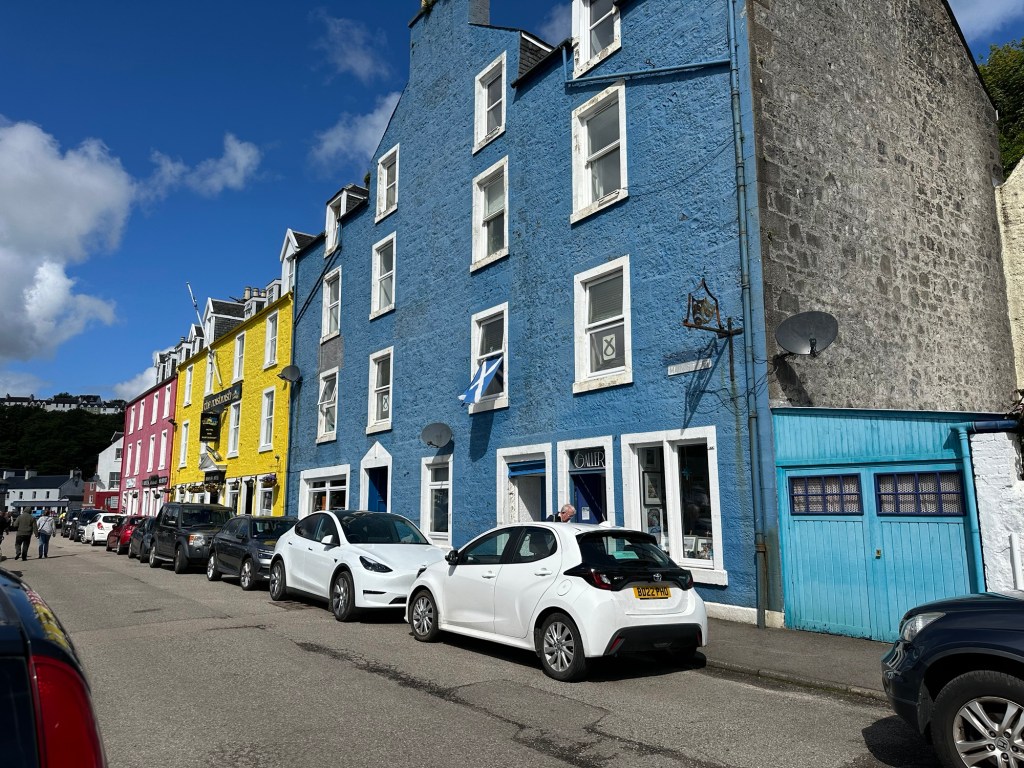
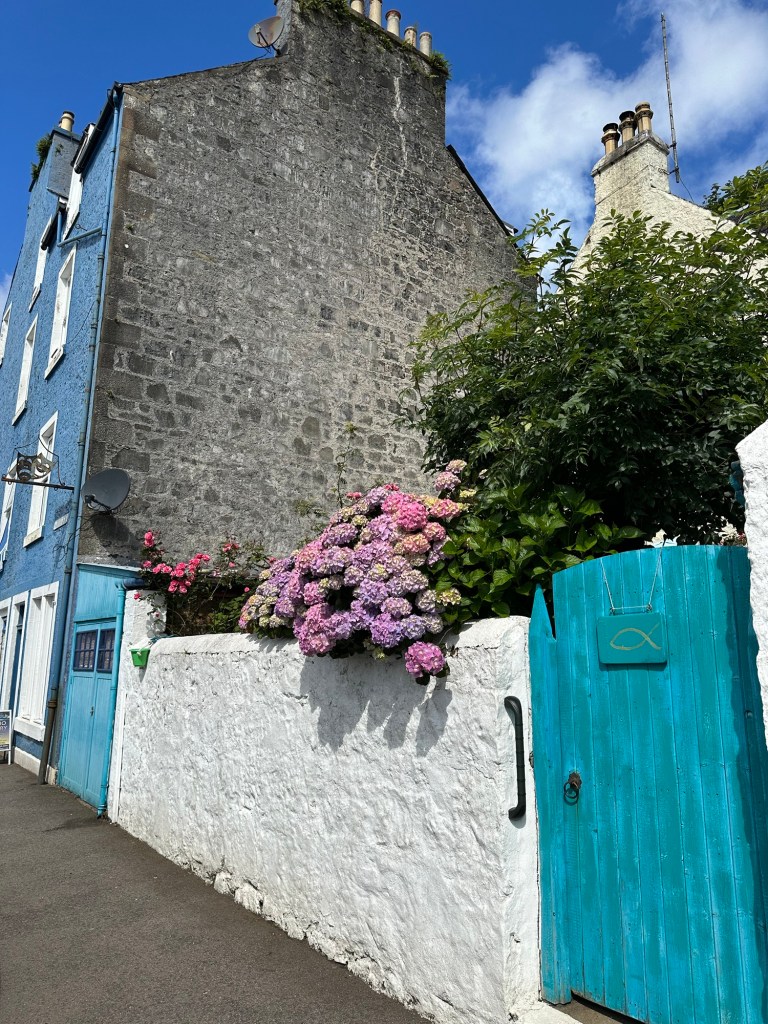
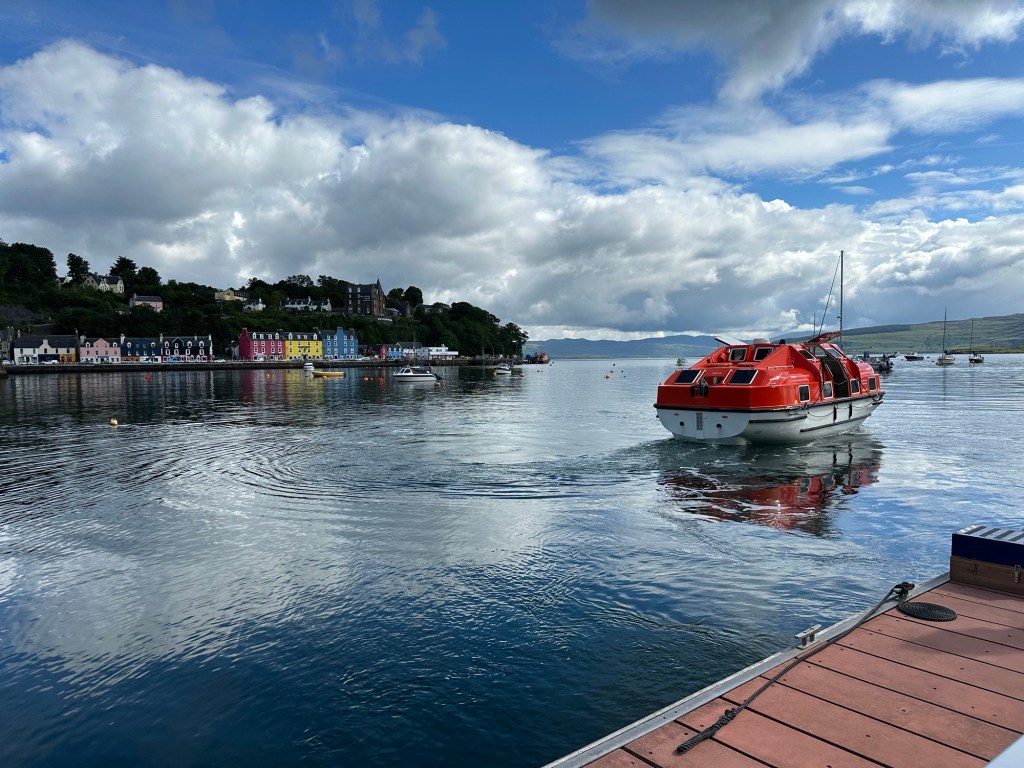
Charlene and I didn’t book a tour today, partly because the one we really wanted to take was fully booked and partly because we were happy to just have a bit of a slower day. We slept in a little, ok, well one of us slept in a lot! And we got a late start, but took the tender in to wander through the port town of colourful buildings housing restaurants, gift shops, a grocery store, a liquor store, etc. all along the Main Street. Immediately after getting off the ship we saw one of the destinations for a tour today, the Tobermory distillery. It was started in 1798, and has made a scotch whisky named Ledaig for generations.
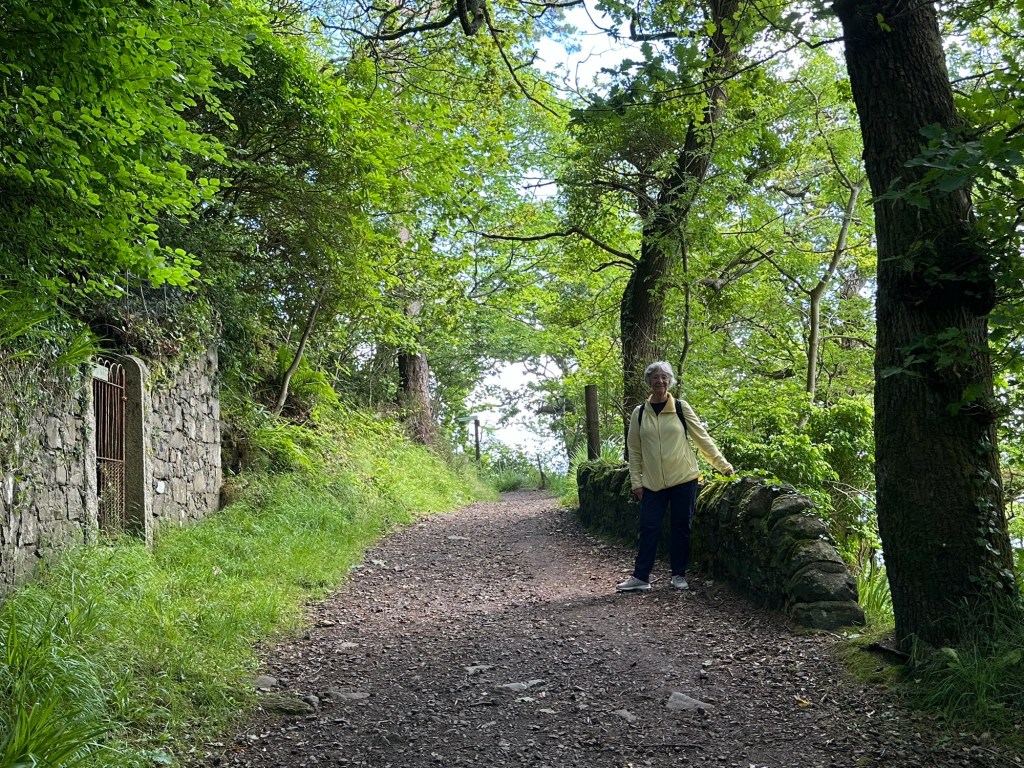
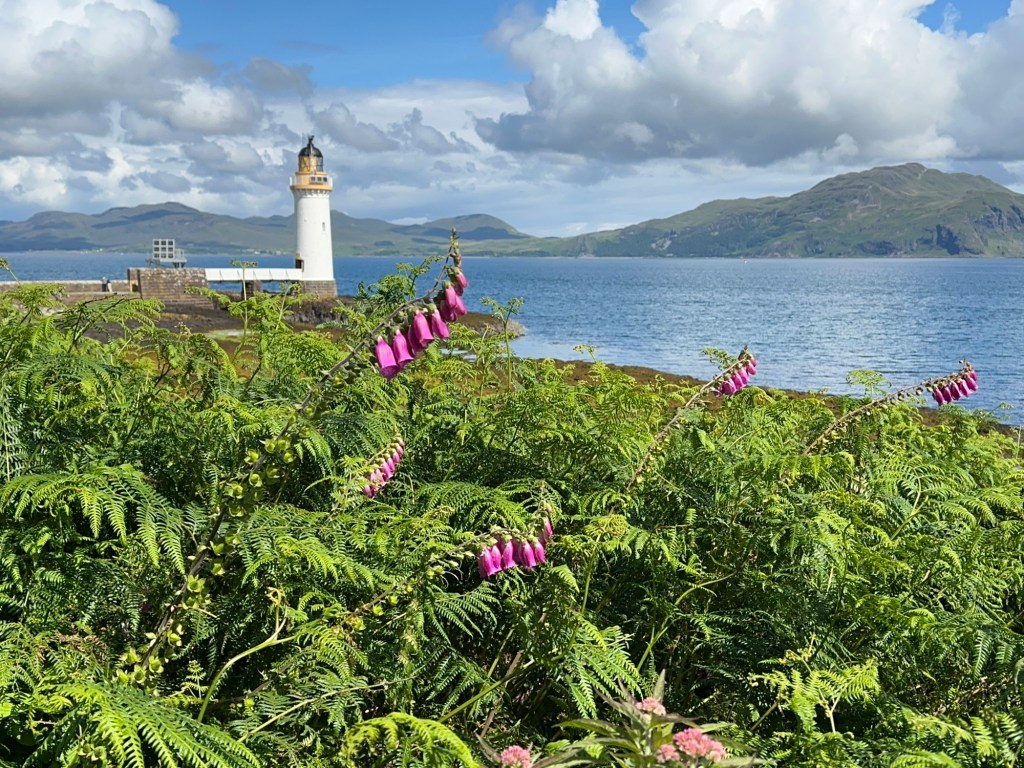
We thought we might hike to a park with trails along the coastal trail to several waterfalls, but after talking to a local, decided instead to head in the opposite direction because there was a pathway also along the coastal route to a lighthouse! It was the right decision. The pathway was a bit muddy in a couple of places but otherwise easy to walk through the trees and wild flowers along the ocean.
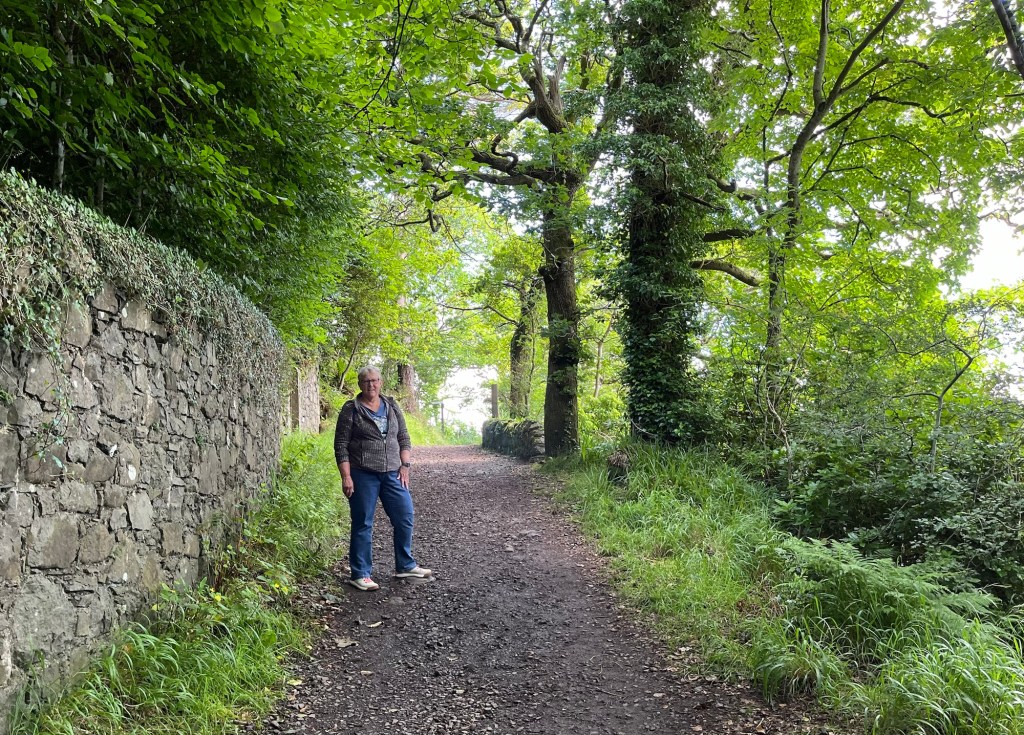
And our weather couldn’t have been more perfect. Again we really lucked out. One of the locals told one of the other passengers that we had brought the sun and warmth with us as it’s been a cold and rainy spring and early summer. It is the first day of sun and warmth of the season.
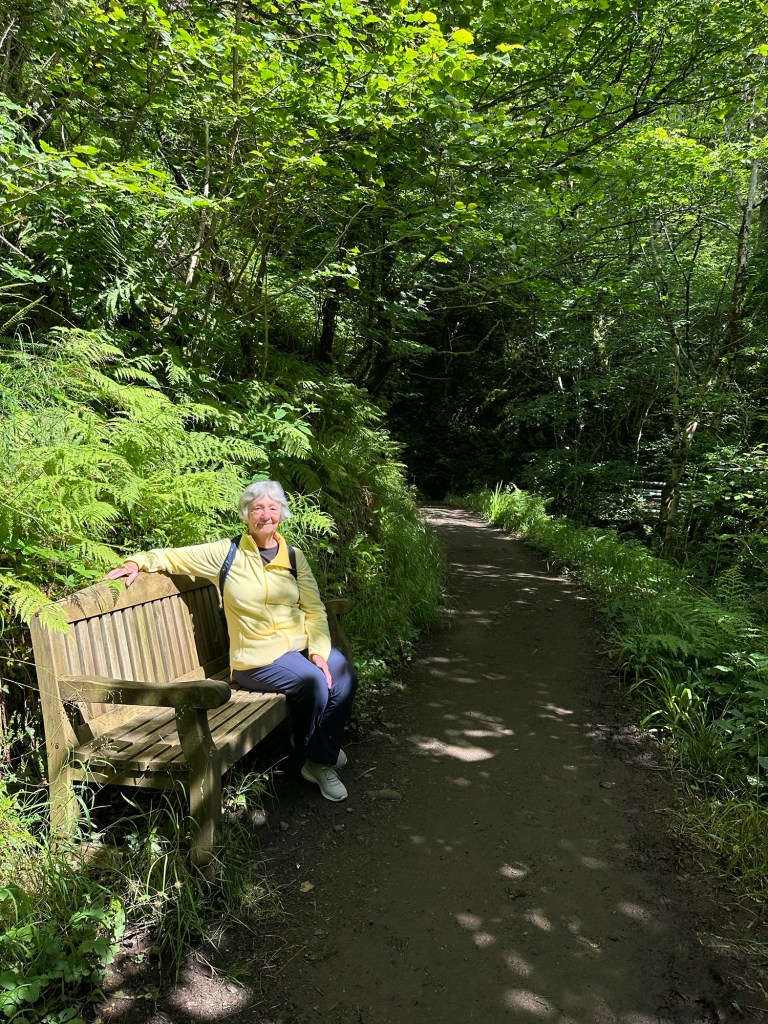
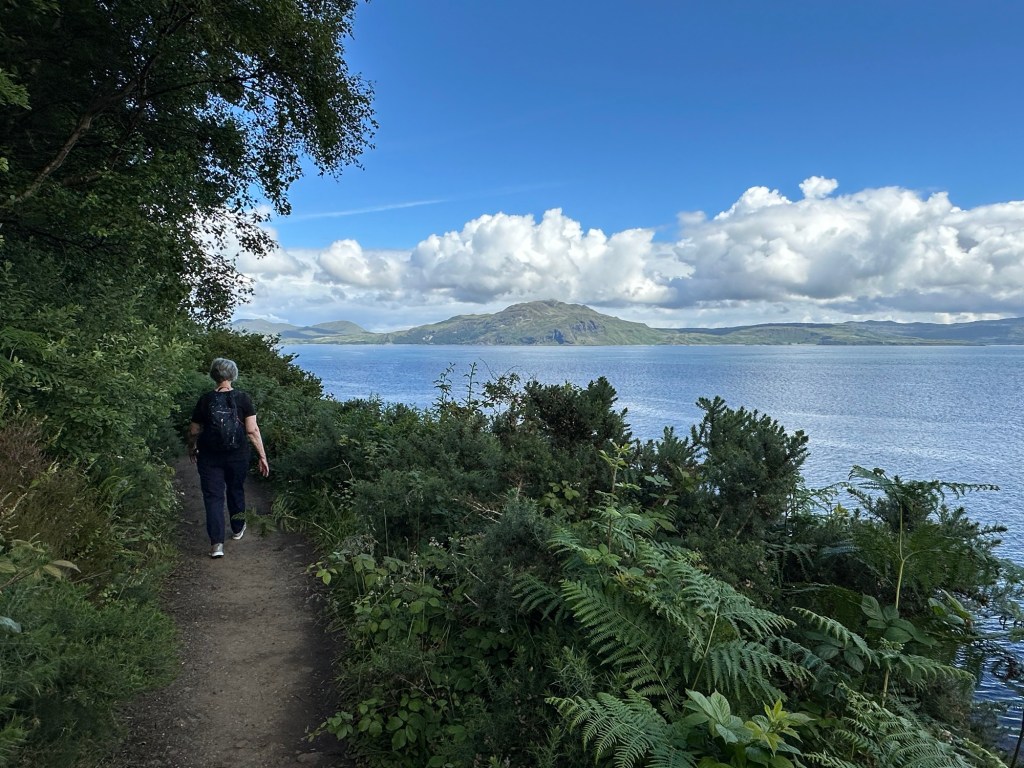
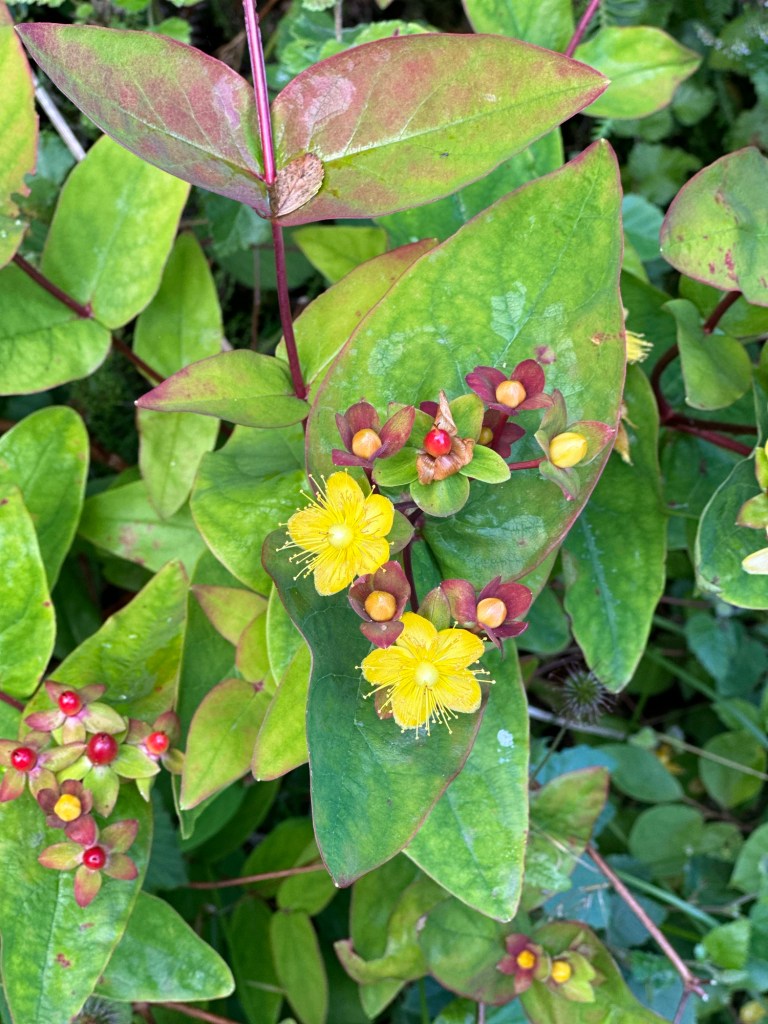
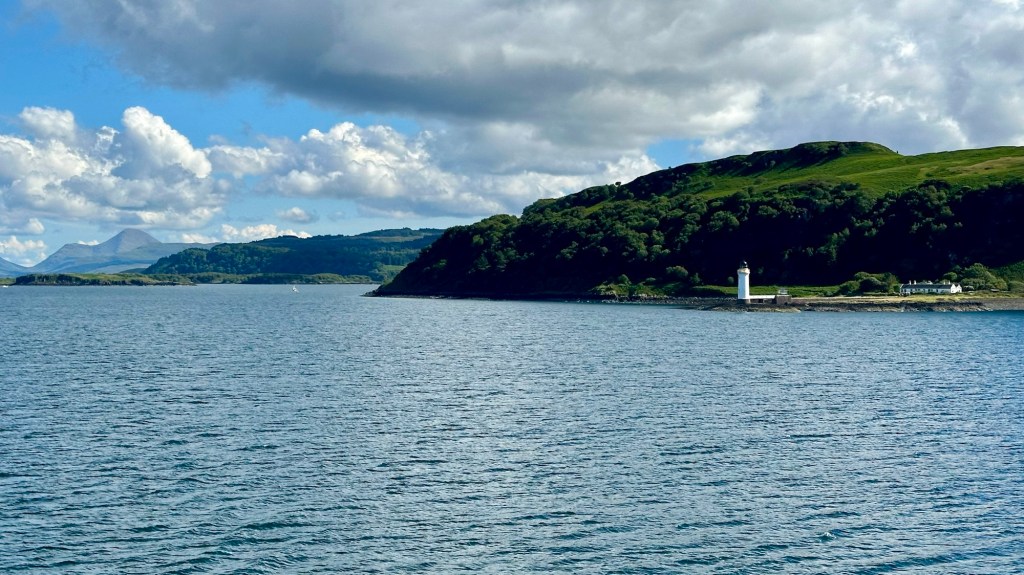
After 2 kilometres we came to the lighthouse on a point of land along the sound. The lighthouse keeper’s house was large and looked quite luxurious compared to many I’ve seen. It was the perfect thing to do today.
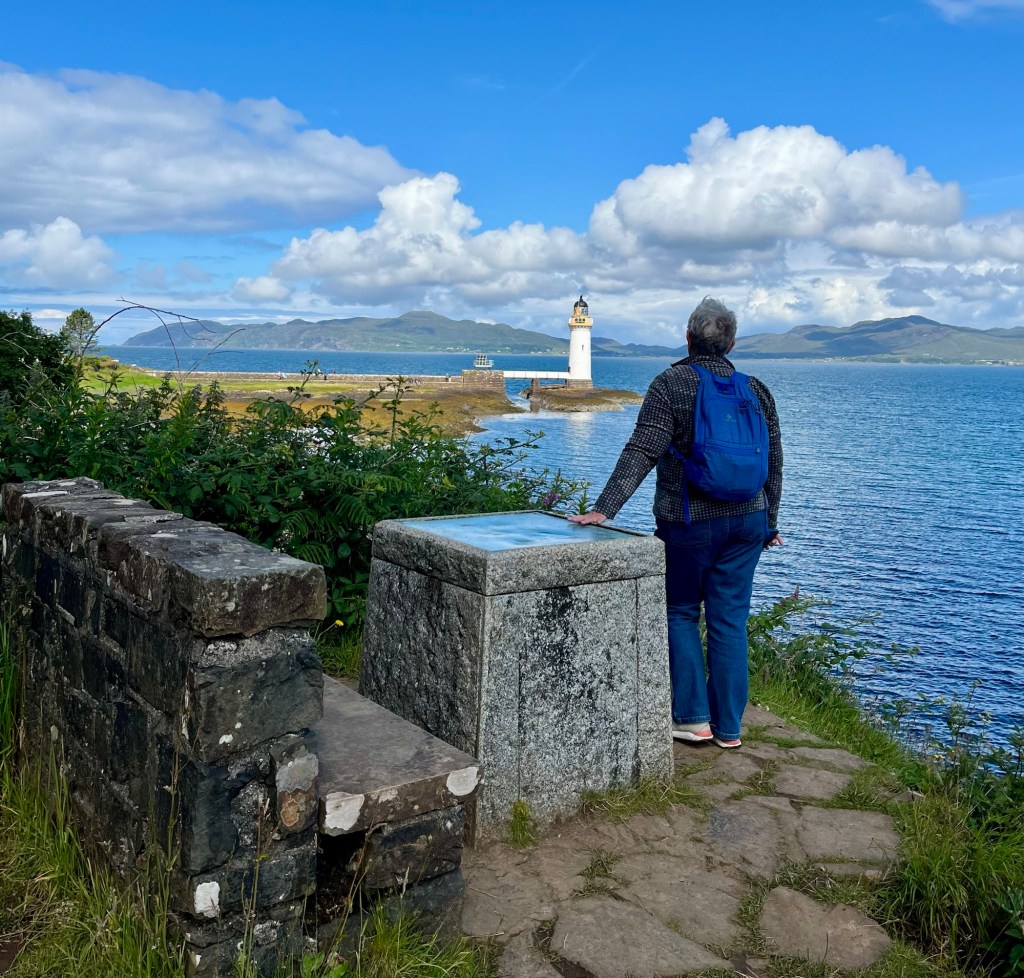
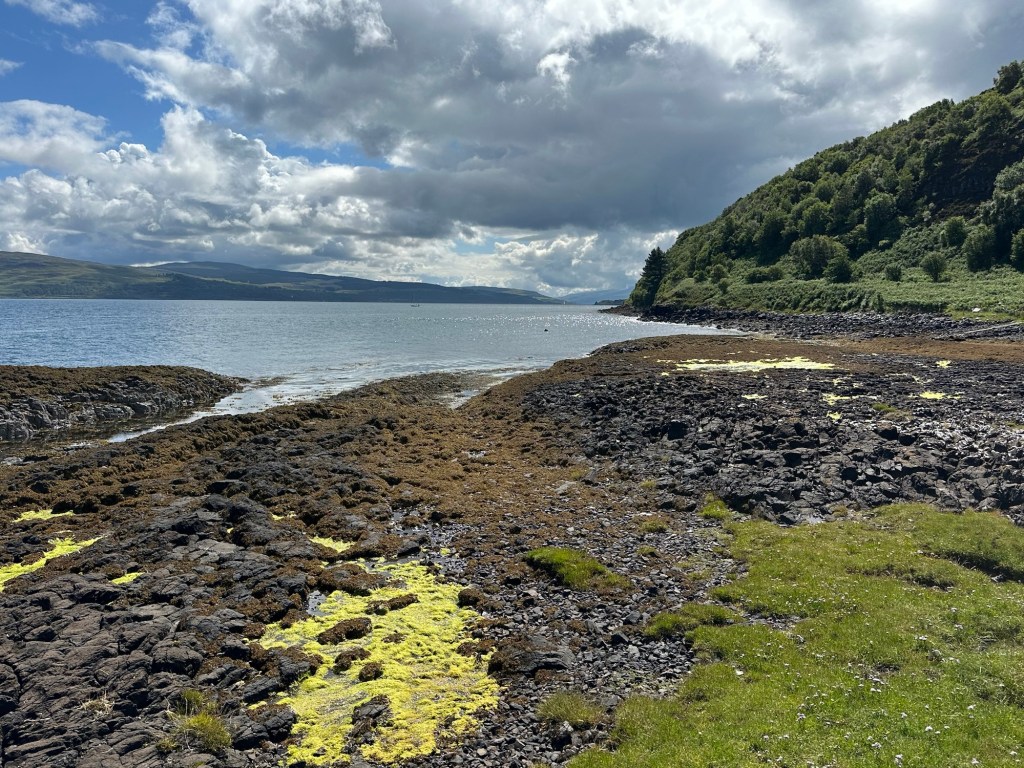
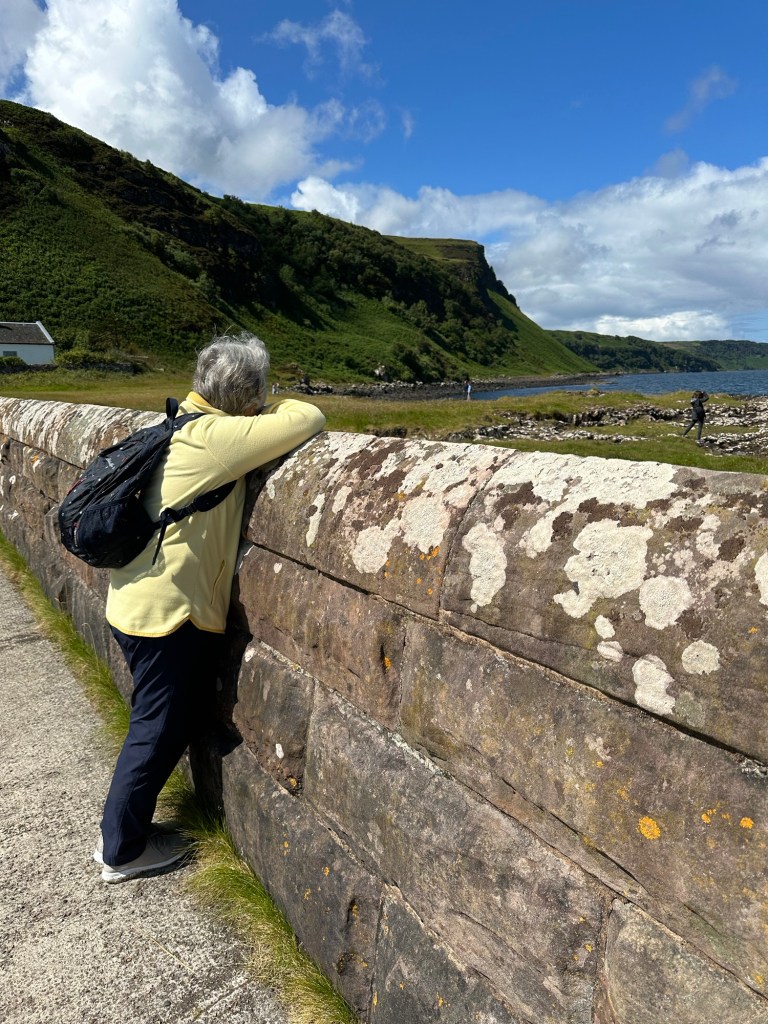
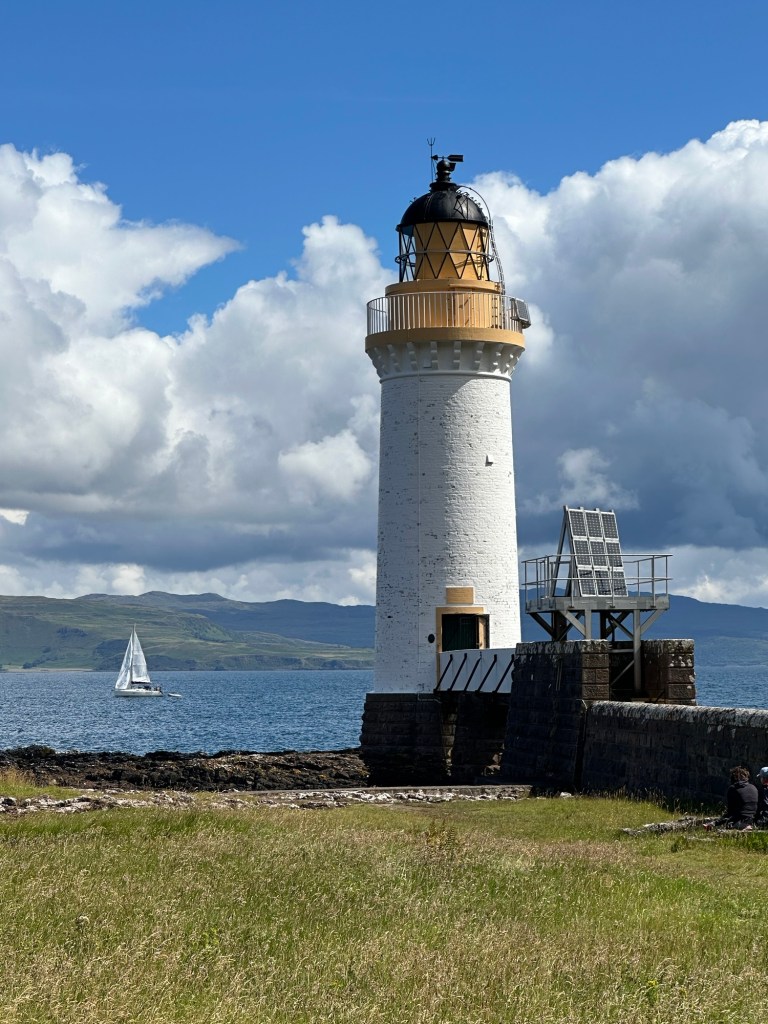
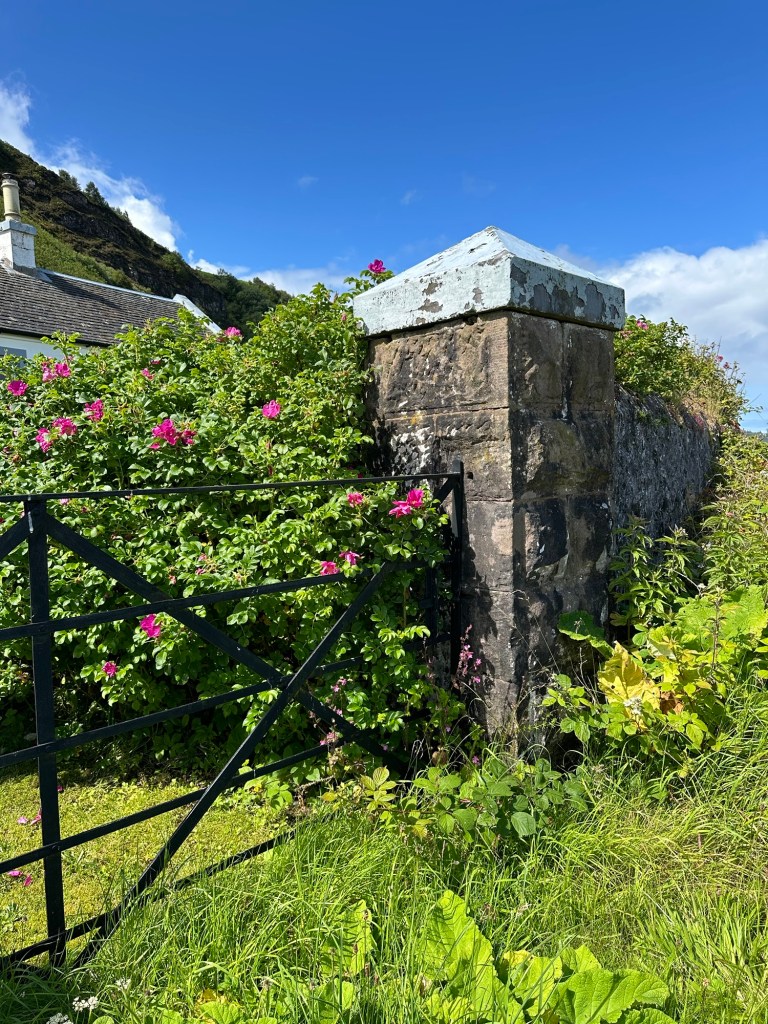
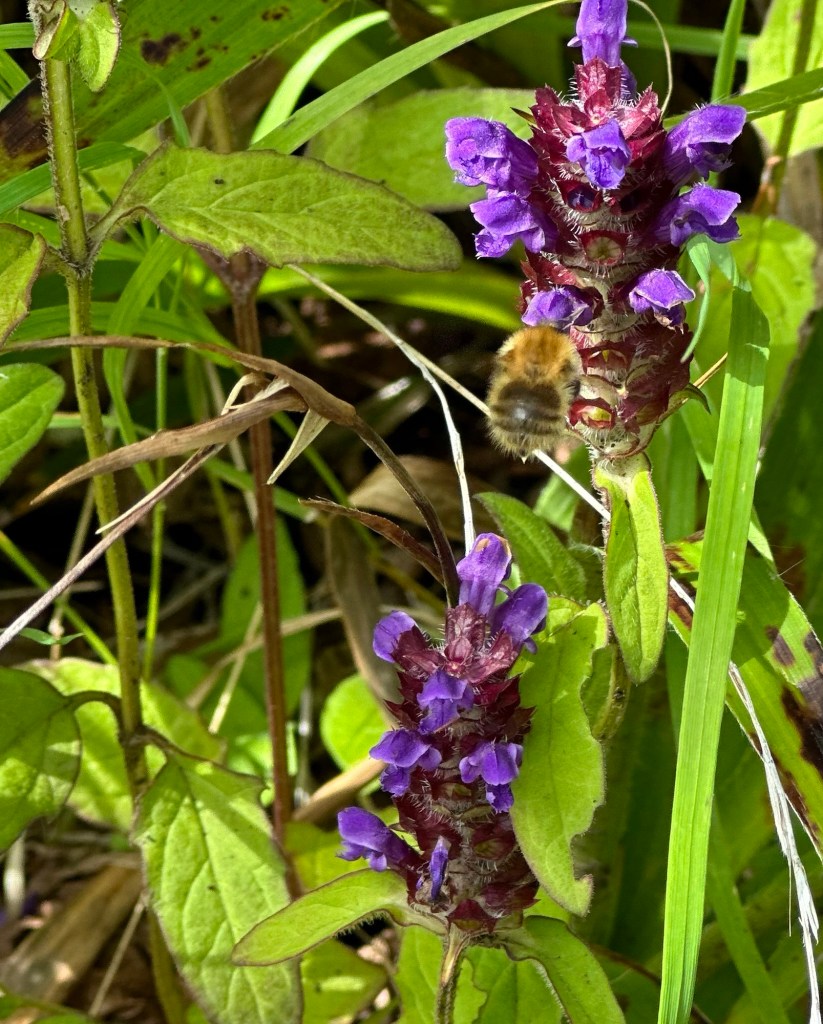
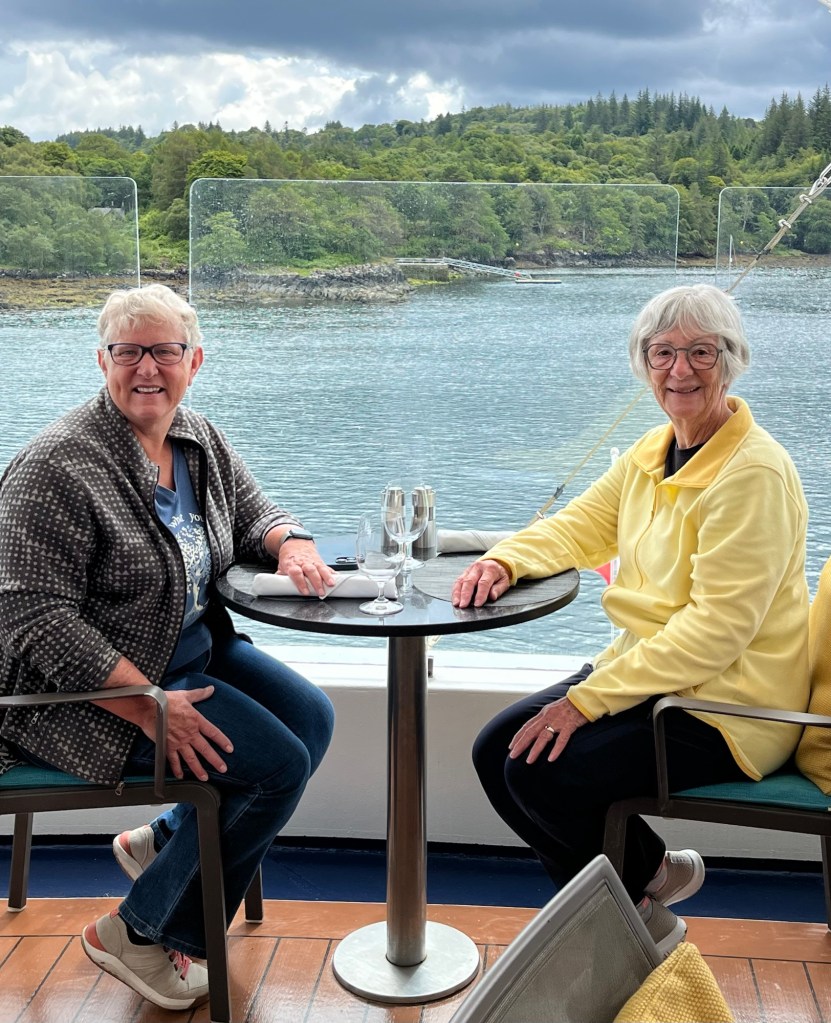
After our return trip down the same pathway we headed back to the ship, and while I thought I’d get my blog done early today, I ended up talking to some passengers and got none of it done until after dinner. I did get a chance for one last shot of the lighthouse as we left port this afternoon. Another interesting and fun day.

 Lois' Adventures
I’m enjoying your adventure! Great photos and commentary.
Mary Lou Friesen
LikeLike
Fabulous! I love reading your commentary and seeing your beautiful photographs. Stay well!
LikeLike
Lovely to read and wonderful pics, Lois! Looks like you and Charlene are enjoying every minute. 😊
MJ
LikeLike