Anticipation: the act of looking forward; especially : pleasurable expectation
But first some catching up……. (I promise future posts will not be so long!)
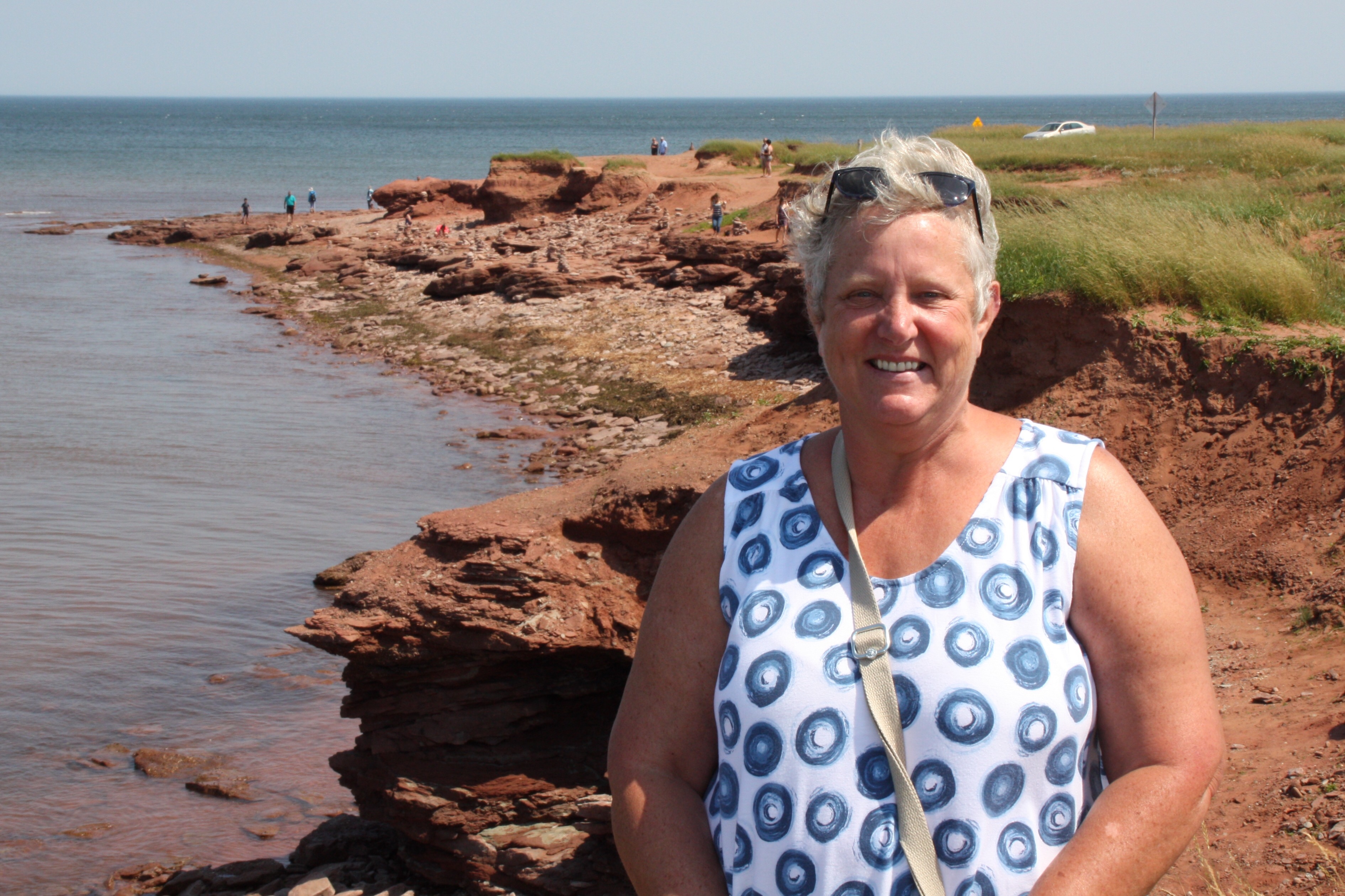
Hard to believe it was just over 2 years ago, on June 4th, I started my North American No Fixed Address adventure. After 54,000 km, 439 days on the road with my little house on wheels, and 157 blog entries I was back in Ottawa ready to put my trailer out to pasture for a bit (almost literally). Although my last blog ended with my final entry on Wednesday, April 13th, when I had arrived back in Canada, I carried on to spend another 2.5 months travelling around Ontario and chilling in Prince Edward Island. I posted lots of pics to social media during the summer, but decided to give blogging a rest.

On August 15th, 2016 I got reacquainted with my “stuff” when it was delivered into my new rented digs here in Ottawa after 14 months in storage. Since then I’ve loved living in the newly redeveloped Lansdowne area in my perch high over the Rideau Canal. Each day my view changes and all the conveniences in the world are here within walking distance.
Although my roots are once again shallowly in the ground here in Ottawa, it hasn’t kept me from continuing to explore and visiting friends and family.
In October, my sisters Char and Lynn and her hubby, Wally (who gets photo credit for some of these pics) and I travelled to Winnipeg to spend a long weekend with brother Rae and attend my niece Megan and her fiancé Shawn’s social. We visited all sorts of old haunts around town, each of us contributing bits of memories. It was so much fun.
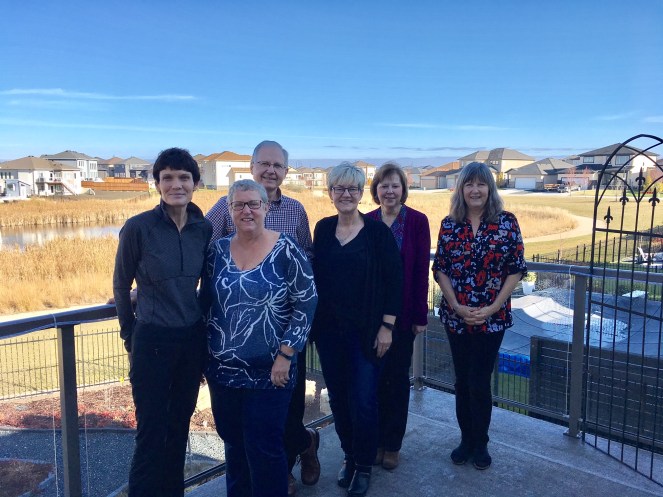
While tripping down memory lane, I got together with some of my former elementary schoolmates. I’ve seen some of them over the years, but Audrey and Tim (middle two) I hadn’t seen since grade school! Thanks so much to Susan and Doug for hosting us.
The high rise I’m in sits just beyond the end zone of the CFL Red Blacks field at TD Place, and last fall was the year to be here as they took it all the way to the Grey Cup. The celebration naturally happened here at Lansdowne so feeling a little sheepish since I hadn’t even been to one game, I mingled in the crowd to experience the celebration. Let’s hope the team does as well this year, as the Grey Cup is being held here in this Canada 150 celebratory year.
December was full; checking out some of the local traditions. My usual travel-buddy Nanci and I did a couple of road trips to see the Christmas train in Merrickville and Nepean Christmas lights one day, and then the Christmas lights at Upper Canada Village with traditional dinner and a visit with the special guy.
Early Christmas Day, I jumped on Via Rail and enjoyed a relaxing trip to the Big Smoke. The Cartwrights very kindly invited me to join them for a fabulous Christmas dinner and so I was able to spend Christmas with Gill for the first time in a few years. While there, I treated myself to one of the few Toronto performances of the Tony Award winning Come From Away before it headed to Broadway. It was a fabulous show!
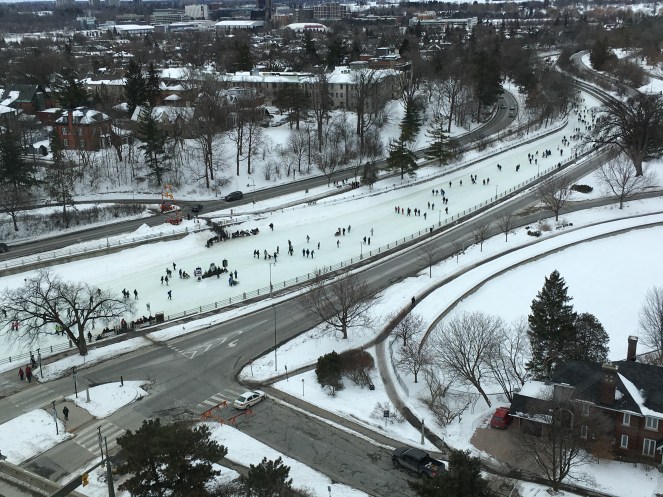
February brought weather cold enough for the annual opening of the worlds largest outdoor skating rink, the Rideau Canal and so I knew it was time to blow this popsicle stand! I try not to repeat travels so as to visit as many new places as possible but I couldn’t resist returning to the all-inclusive resort on the northern edge of Playa del Carmen, on the Yucatan peninsula.
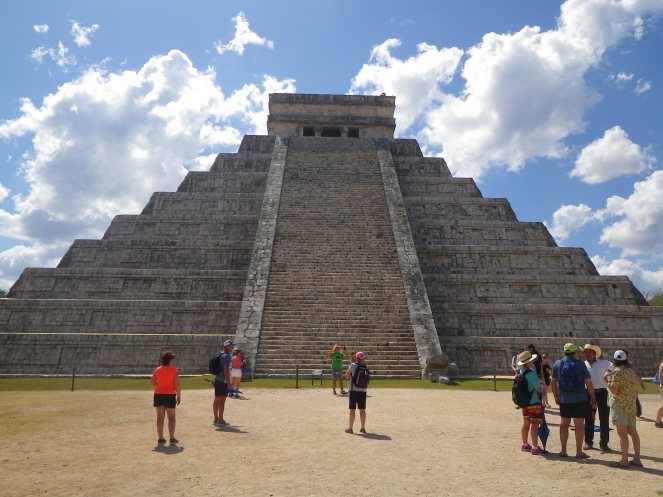
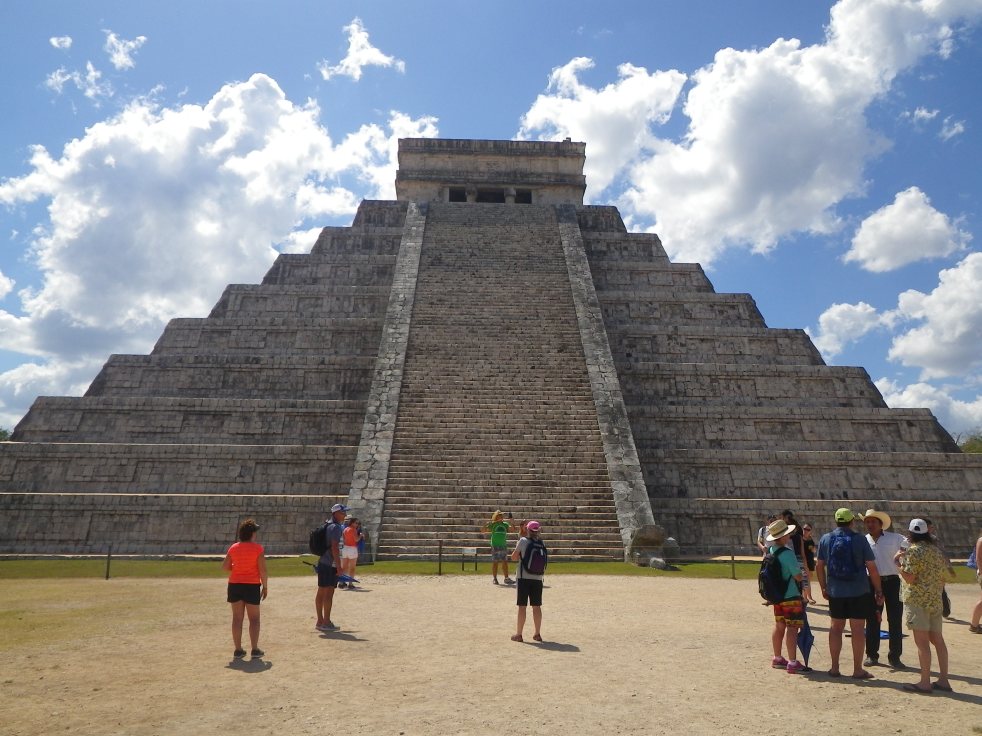
Most of my time in Playa del Carmen was spent soaking up the heat and sun but I did an excursion to a UNESCO World Heritage Centre, Chichen Itza, a Mayan civilization city thought to have been built sometime between 450 and 800 AD. It was definitely a long day, unfortunately a too large percentage of that time was spent doing the pick up and drop off at the various hotels of my fellow travellers.
The guide on the bus, Israel, provided fantastic information on the Mayan people, how they lived, some of their beliefs, their obsession with astronomy, and explained their number system. Between the food service and Israel’s stories we were there in no time.
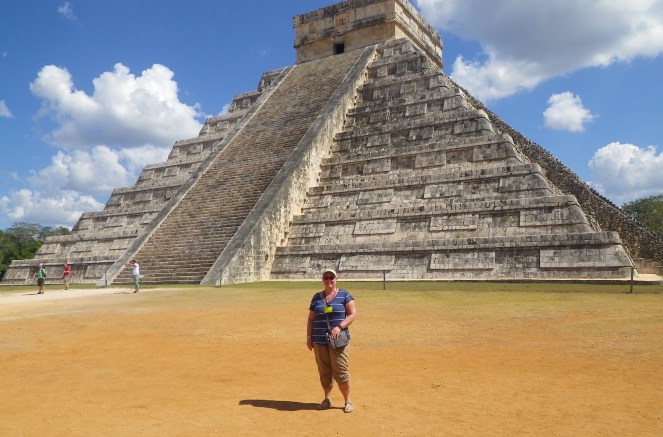
The tour at the ruins was 1.5 hours and then 45 mins of free time to further explore or take pictures. Our guide at the ruins, Beto, did a fantastic job of explaining what we were looking at, some of the history, best camera angles and even an explanation of the orbits of Venus and the earth around the sun and how they are related. There is so much to learn about this civilization. They were brilliant people and the placement of every stone in their building had some significance. For instance, El Castillo, the large structure in my pictures, has 91 steps going up on the 4 sides of the pyramid, which with the addition of the top platform is 365 steps. Rituals and symbolism ran amuck.
After our free time we piled back on the bus and went to a large buffet for lunch. It provided a wide variety of local foods and a couple of non-alcoholic traditional drinks. And they had some dancers on traditional costume to entertain us.
Our next stop was a swim in a cenote. This was a larger one than I’d been to before and it had great facilities: lots of change rooms and lockers. In order to get down into the cenote you had to take 90 or so stone steps. Water shoes of some kind would have been helpful here. There were lots of people looking but not so many actually going into the water, which was beautiful, warm and clear.
The long trip back was helped for some by being supplied by ice cold beer. Despite the long day (7:30 am to almost 9 pm) it was well worth it to experience one of the modern wonders of the world.
April found me back in British Columbia for a too-short visit with family and friends both on “the island” and lower mainland. And to my delight, I was surprised by the arrival of my brother, Rae who spent a short weekend in Comox. As someone said, we basically ate, moved, ate, moved, ate and then saw the Snowbirds practising. Oh, and Charlene challenged me to join her at her much more advanced yoga class than I’m used to and I dragged Charlene and Lynn to aqua-fit. Thankfully there are no pictures of that.
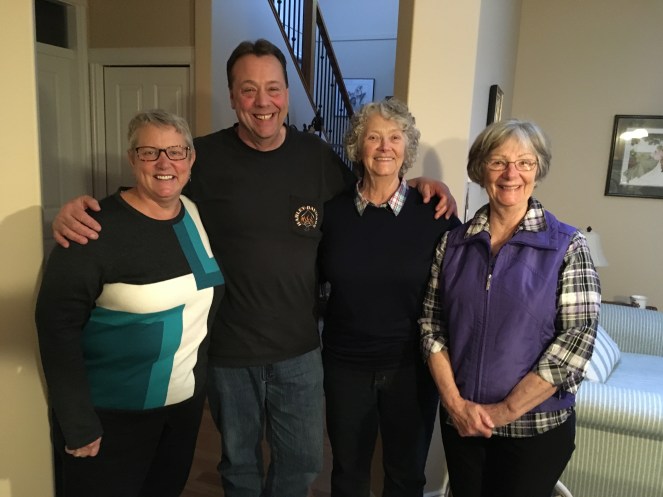
Then I was off to the lower mainland to see just a small number of the people I had hoped to visit. I pledged to myself to get back more often to keep in touch with everyone.
As you will know from the news of all the flooding along the Ottawa River, this spring has not been terrific weather-wise. However, the tulips cooperated by blooming right on time as the highlight of the spring season’s Tulip Festival and the special Canada 150 blooms stole the show.
So, you’re wondering if I’m ever going to get to the topic of the subject line!
Now that you’re caught up on the last few months, I’ll get to the future and the anticipation.
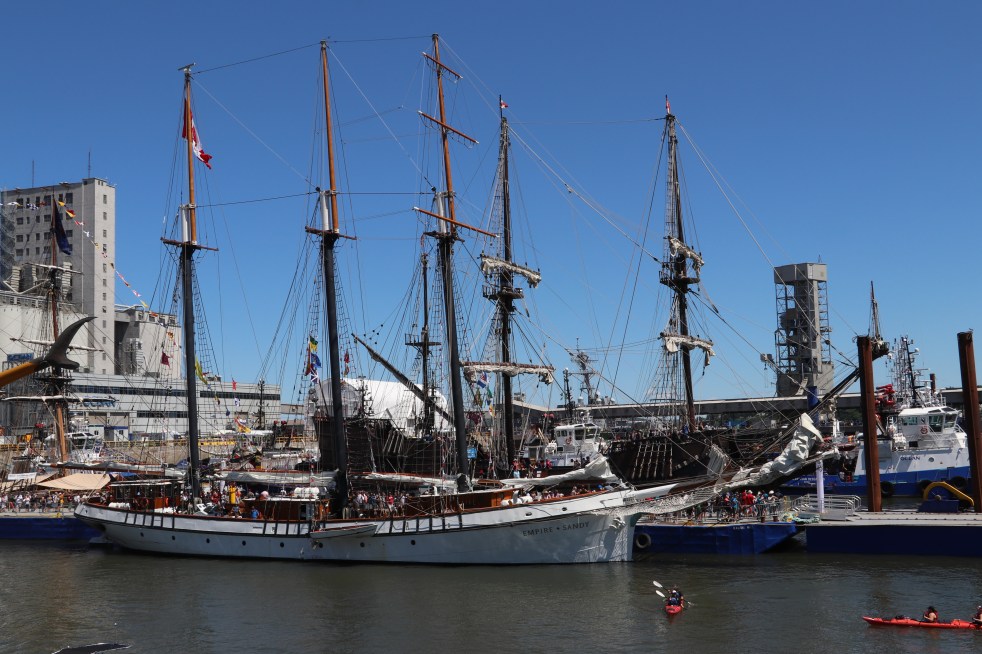
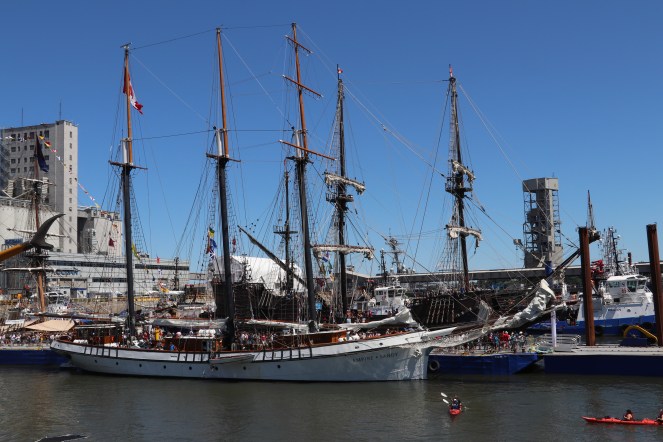
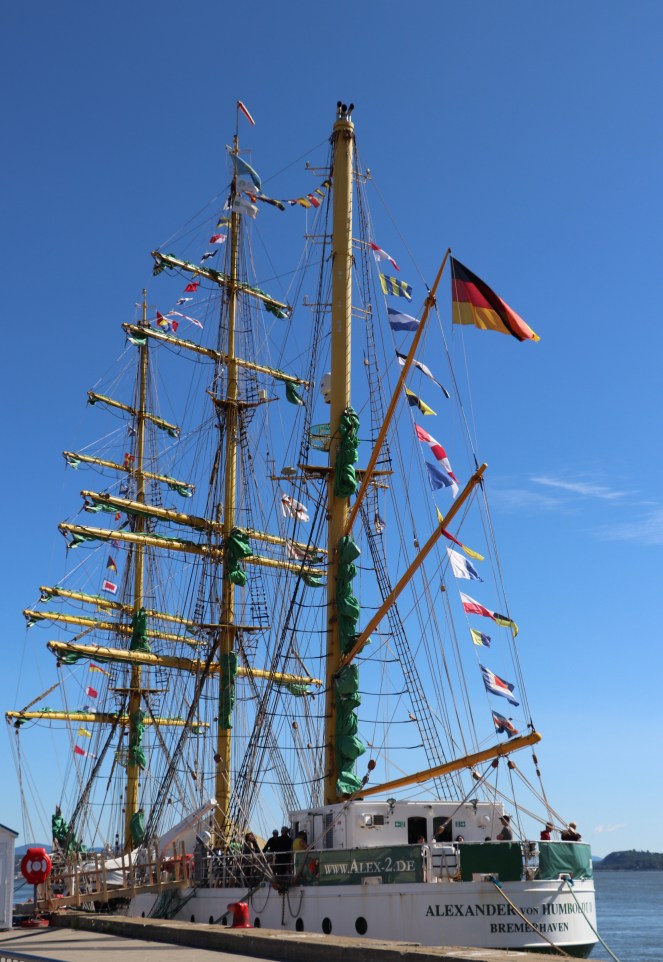
In the coming weeks I’m thrilled to be attending two weddings, one (Nanci’s daughter Vanessa’s) at Montebello just an hour away in Quebec, and the other a week later in Winnipeg (niece Megan and Shawn’s). It’s going to be great to be able to celebrate Canada’s 150 in the nation’s capital and then Nanci and I are on the road again for a long weekend in Quebec City for the Tall Ship Rendezvous. Toward the end of the month I’ll be visiting with a friend in northern Ontario and enjoying the Richard’s Landing Community Night. Killarney Mountain Lodge is somewhere I’ve always wanted to go so I’m going to stop in there on my way south to Toronto to take in a Carole King Musical with the Cartwrights.
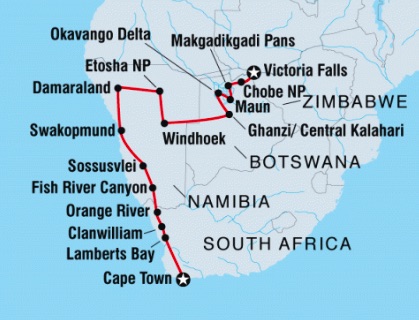
And then, I’m so excited that Nanci and I will be leaving mid-August for a month of exploring in southern Africa! We’ll be visiting South Africa, Namibia, Botswana and Zimbabwe, travelling with a small-group tour company, this time, Intrepid Travel. Can’t wait!
Here is the link to the Intrepid website and the specific tour we’re taking after 5 days on our own in Cape Town. At the end of the tour we fly to Johannesburg from Victoria Falls where Nanci heads for home and I start a 5 day tour to Kruger National Park before the long return flight.
http://www.intrepidtravel.com/ca/namibia/amazing-southern-africa-103486








 Lois' Adventures