Uncategorized

Felixe United, Namibia (near the southern border with South Africa) to Fish River Canyon, Namibia

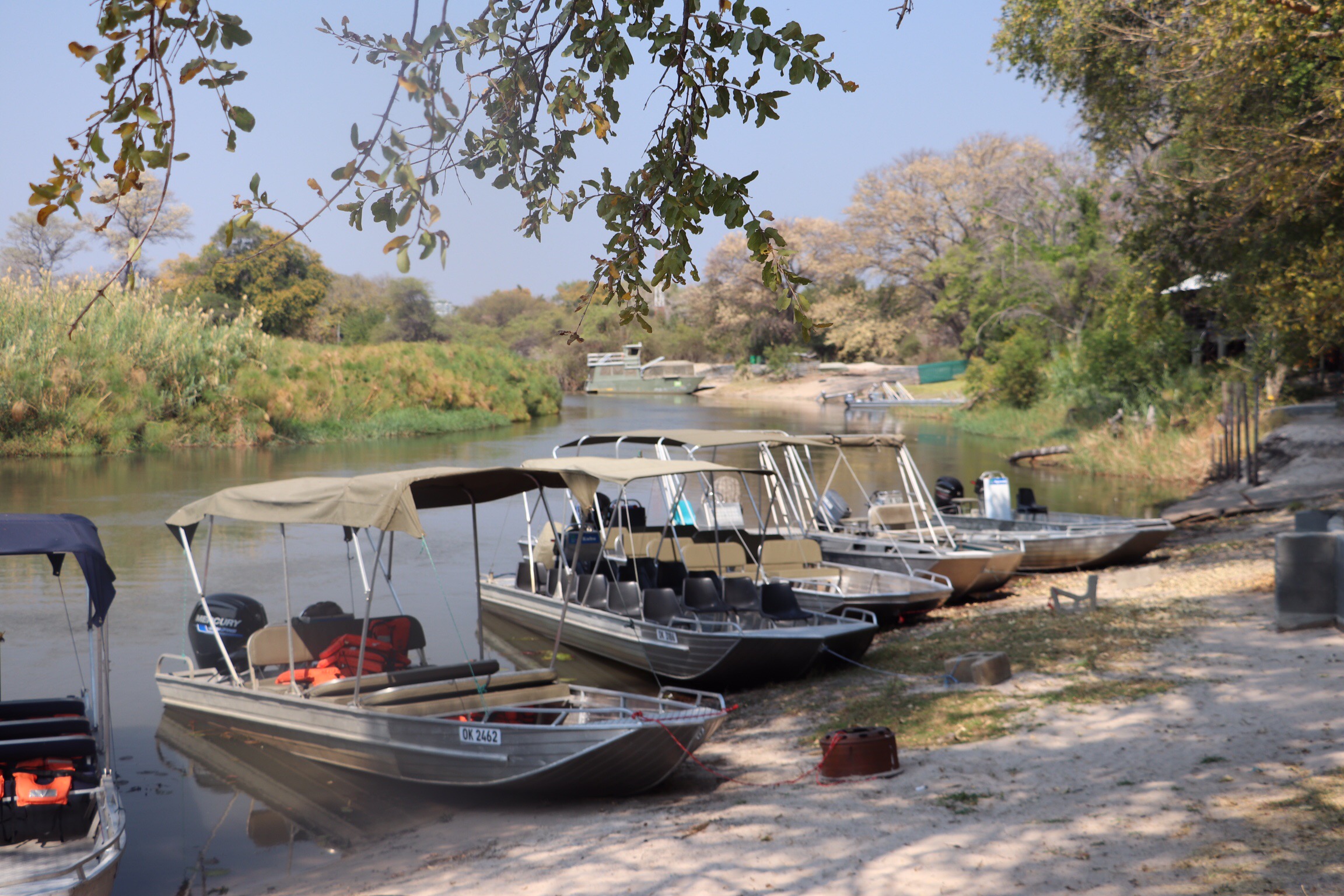
The cloudy skies didn’t put us off our early start today as it was still warm enough to be comfortable, and it was really calm. After a hearty breakfast (as all our meals have been, sigh),we loaded up on the bus to head up river with our canoes in tow. Now I use the term canoe rather loosely. These were plastic purpose-built canoes complete with two spots for water proof buckets to hold our extra clothes, glasses, etc. And the paddles were not canoe paddles, but rather double ended kayak paddles. But they were probably more forgiving than either true canoes or kayaks. After the canoes were unloaded we paired up, choose our kayaks, climbed in and set off, all without assistance. There was much joking about this activity being the forte of us Canadians, but neither of us had canoed for a VERY long time, and Nanci kayaked in Caye Caulker a few years ago but I never have so there wasn’t a lot of experience in our blue kayak.

But I’m proud to say that not only did we manage to keep the right side up, but we led the way for much of the way and set the pace down the 11-12 km of the Orange River down which we paddled. Competitive much! The valley had high cliffs in places and gentle rises to grape vineyards in other places. We stopped for a break on a lovely beach, and then continued on fairly quickly because our guide thought the wind was going to come up. A gentle breeze was all it took to make the paddling more difficult. Can only imagine how tough ocean kayaking must be. We passed over 3 sets of rapids, which while small still gave us a bit of a rush, having never experienced them in a canoe. Going over the last set we hit a rock and fortunately bounced off it safely and made the quick turn to the beach at the lodge where it all began. I blame the guide who didn’t pre-warn us about which route to take, and once in we didn’t have the ability to avoid it. In any case, no hard done, other than a few panicky moments on my part. Although we didn’t end up in the river, we did get soaked from the water running down the paddles. It was an absolutely fabulous morning. Again, one of my favourite experiences is on the water.

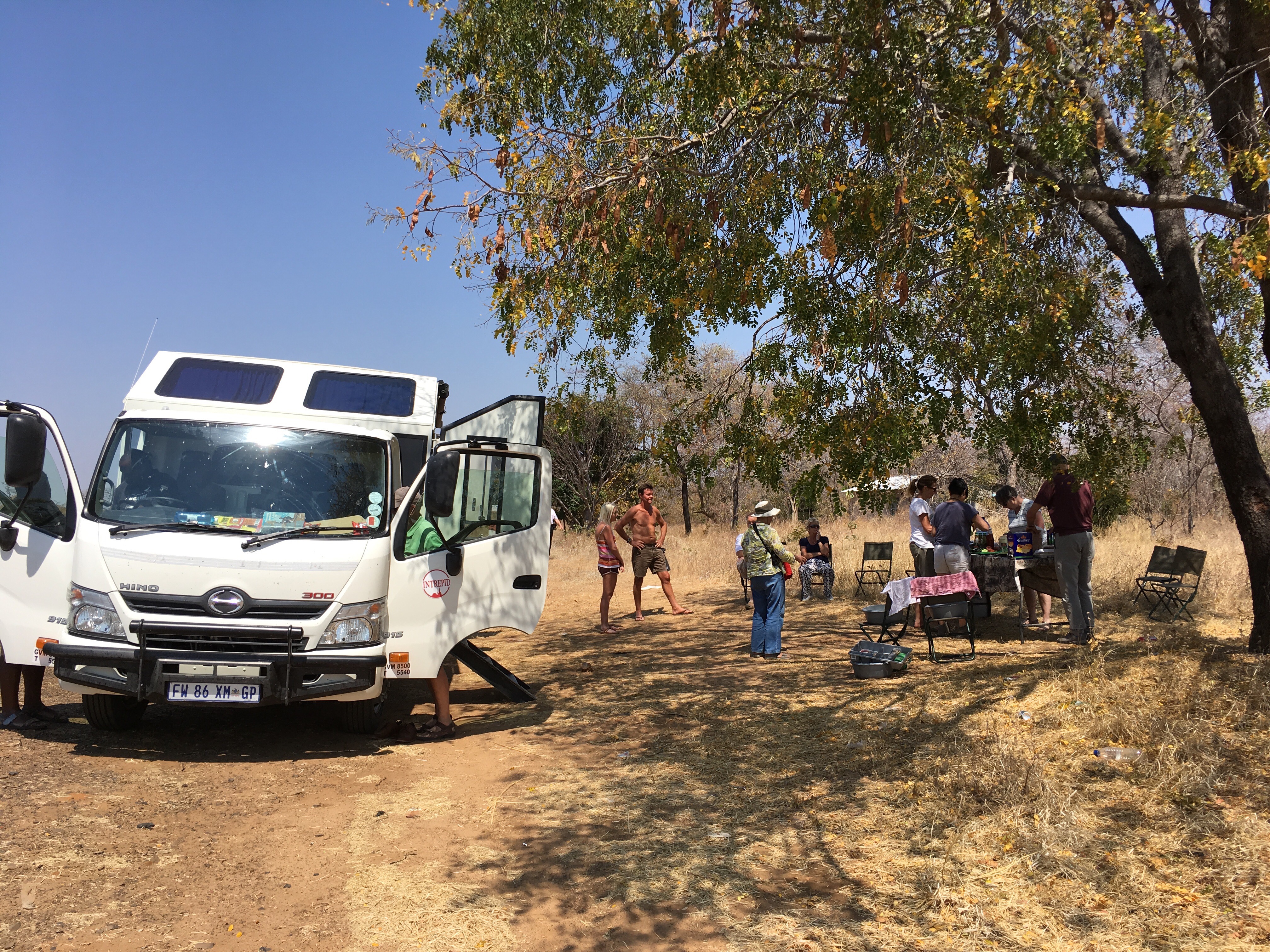
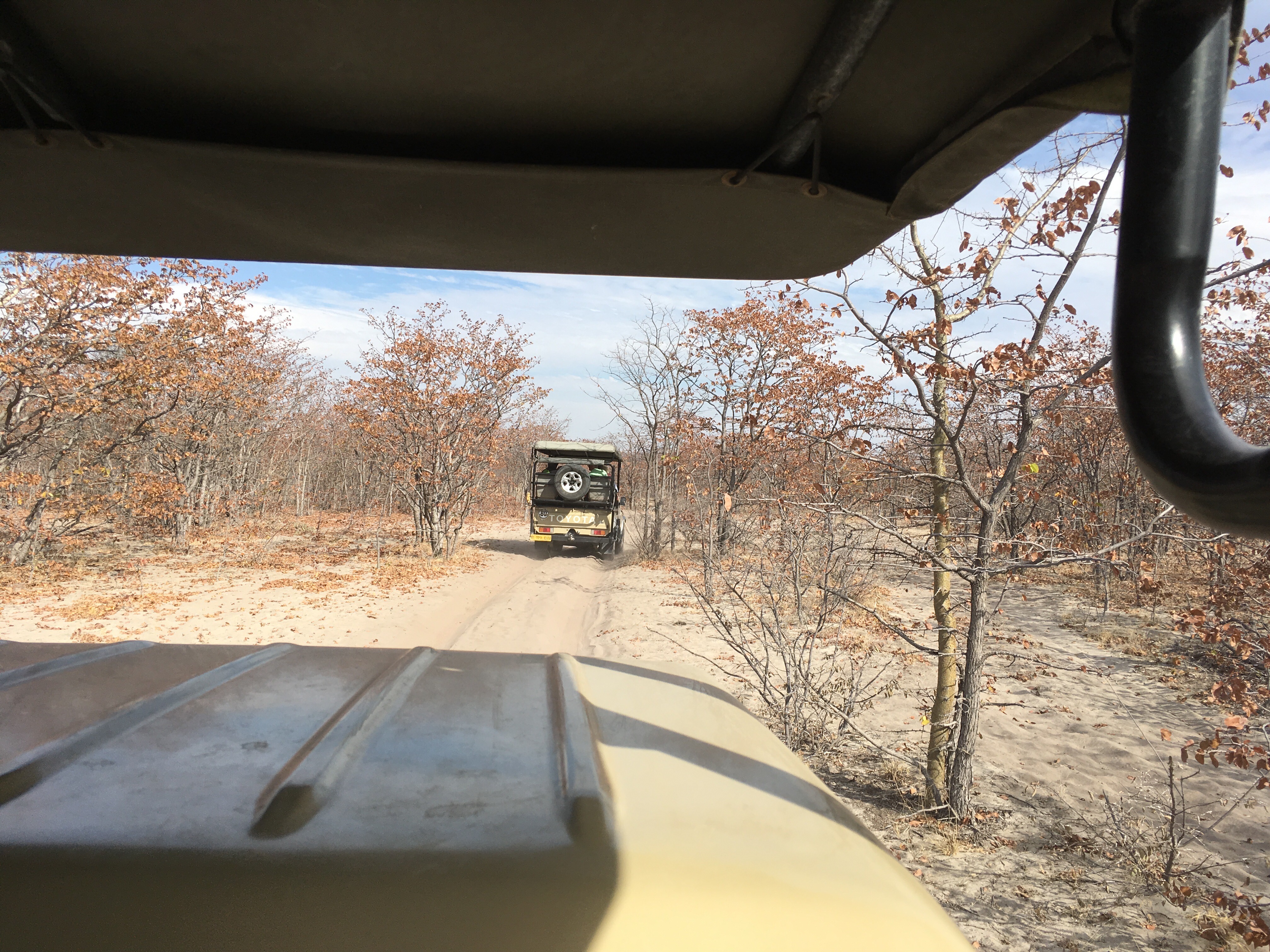
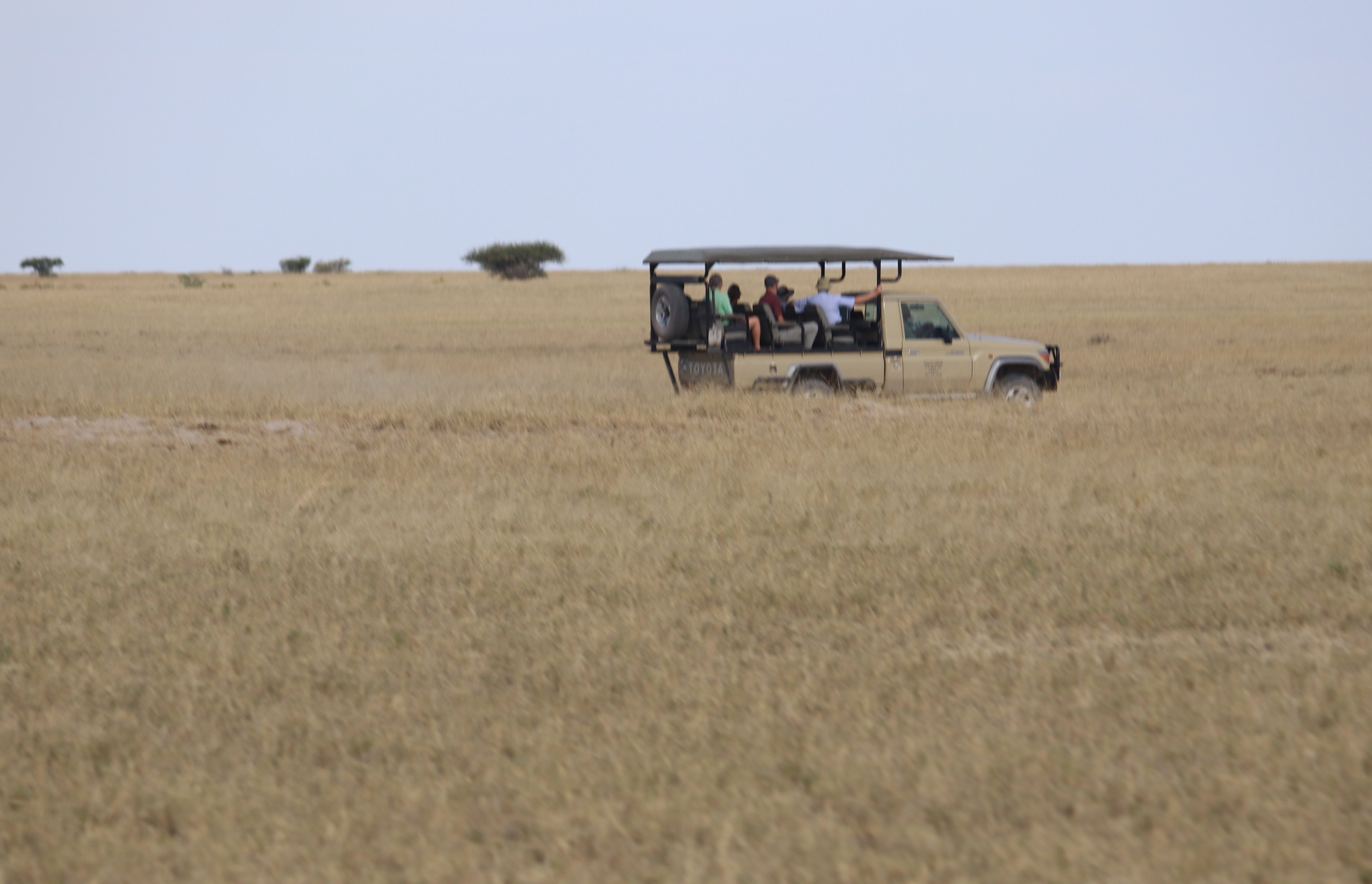
After changing into dry clothes and a casual picnic back our our beautiful lodge we piled onto our trusty truck and we were off. It was a long dusty, bumpy afternoon on washboard gravel roads. It is a really comfortable temperature at this time of year, their winter, and I was glad of that thinking about how this travel would be in the heat of summer.

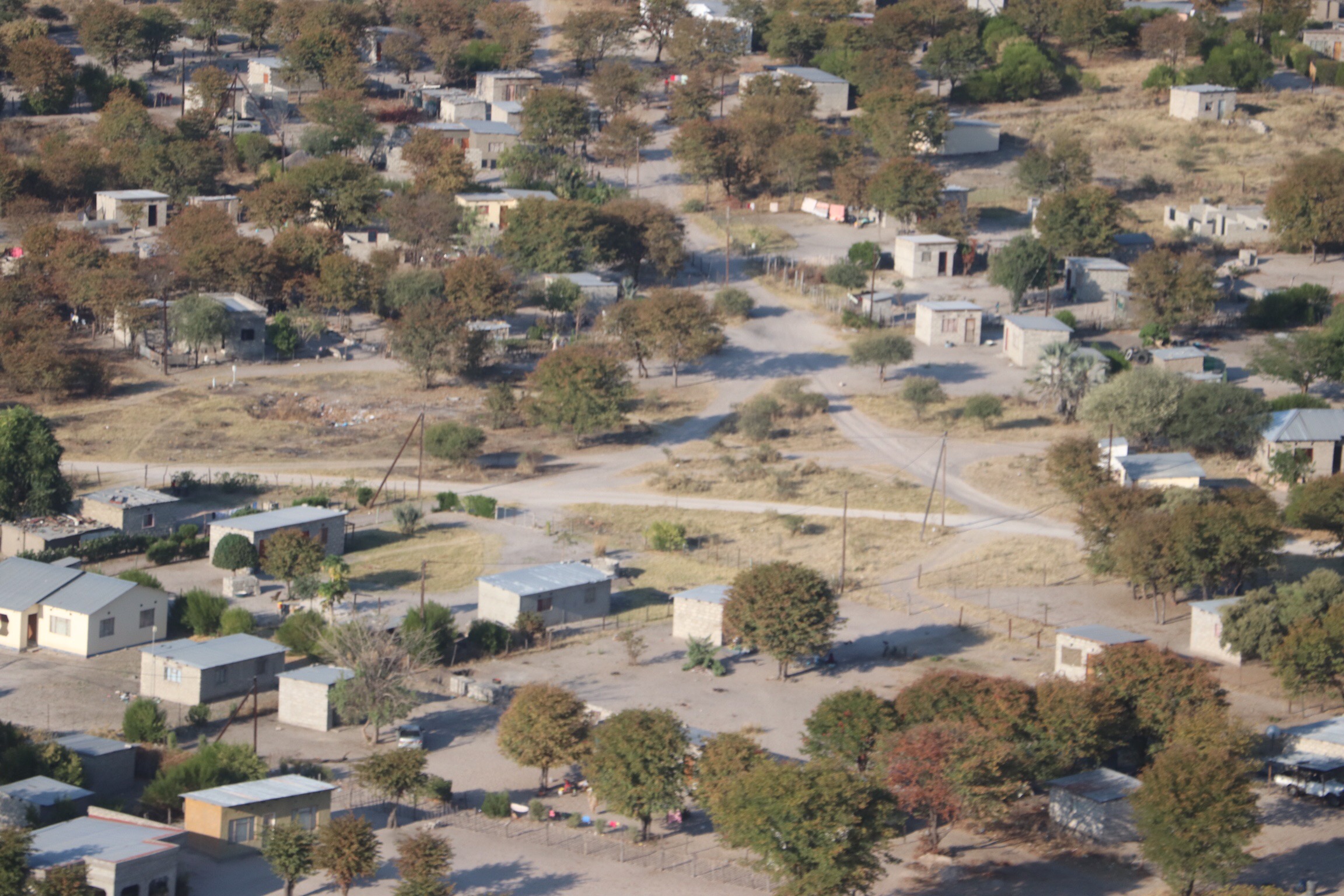
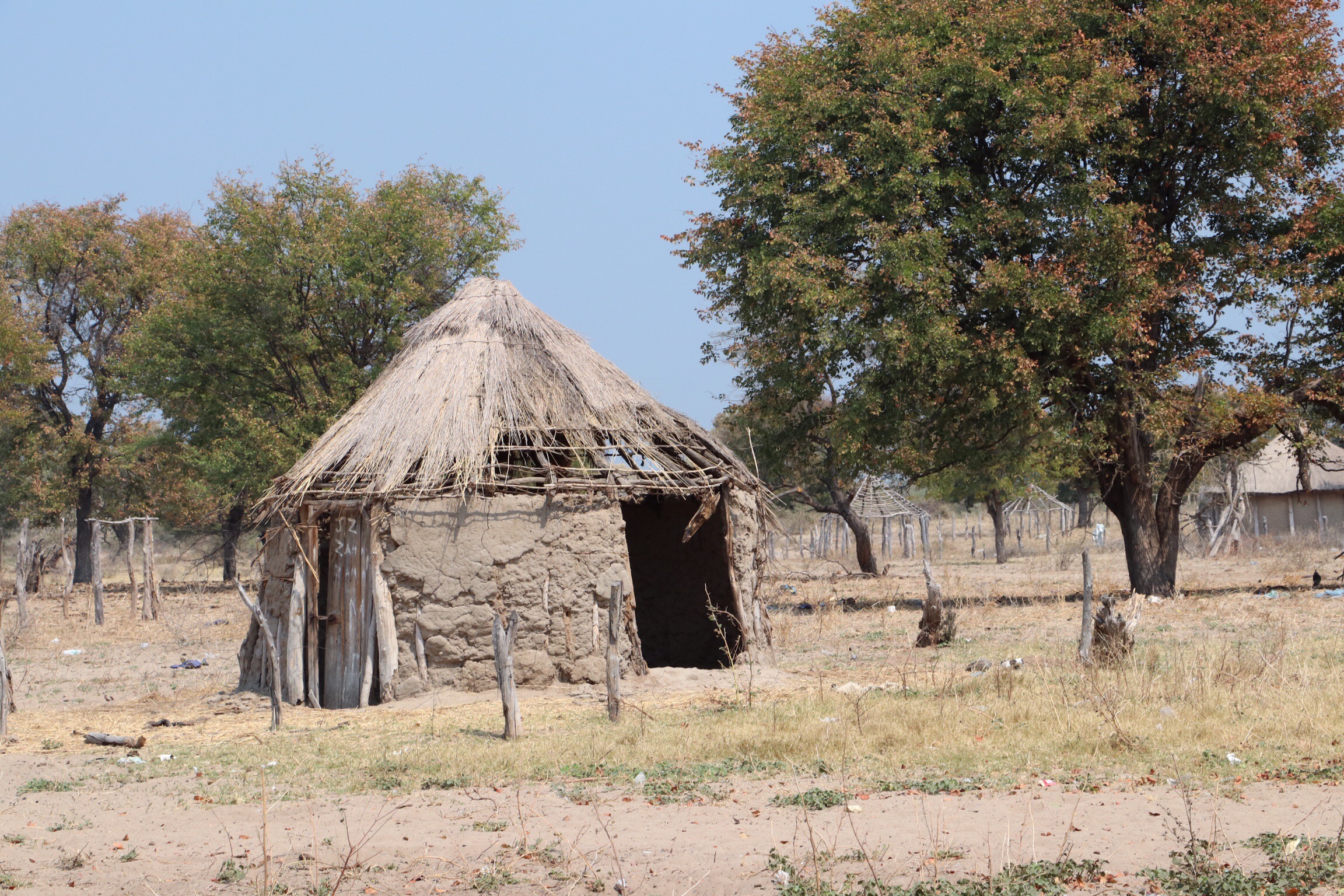
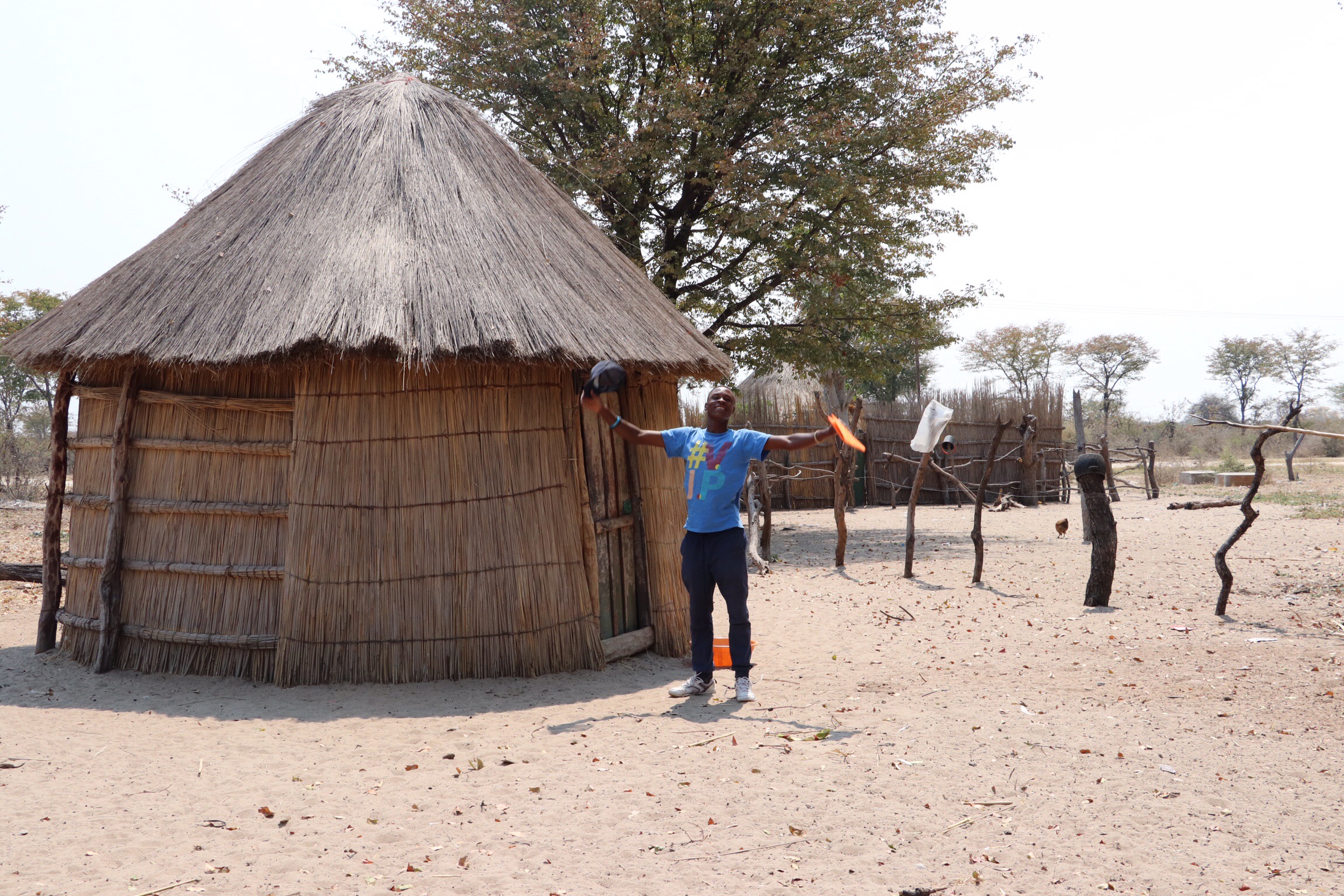
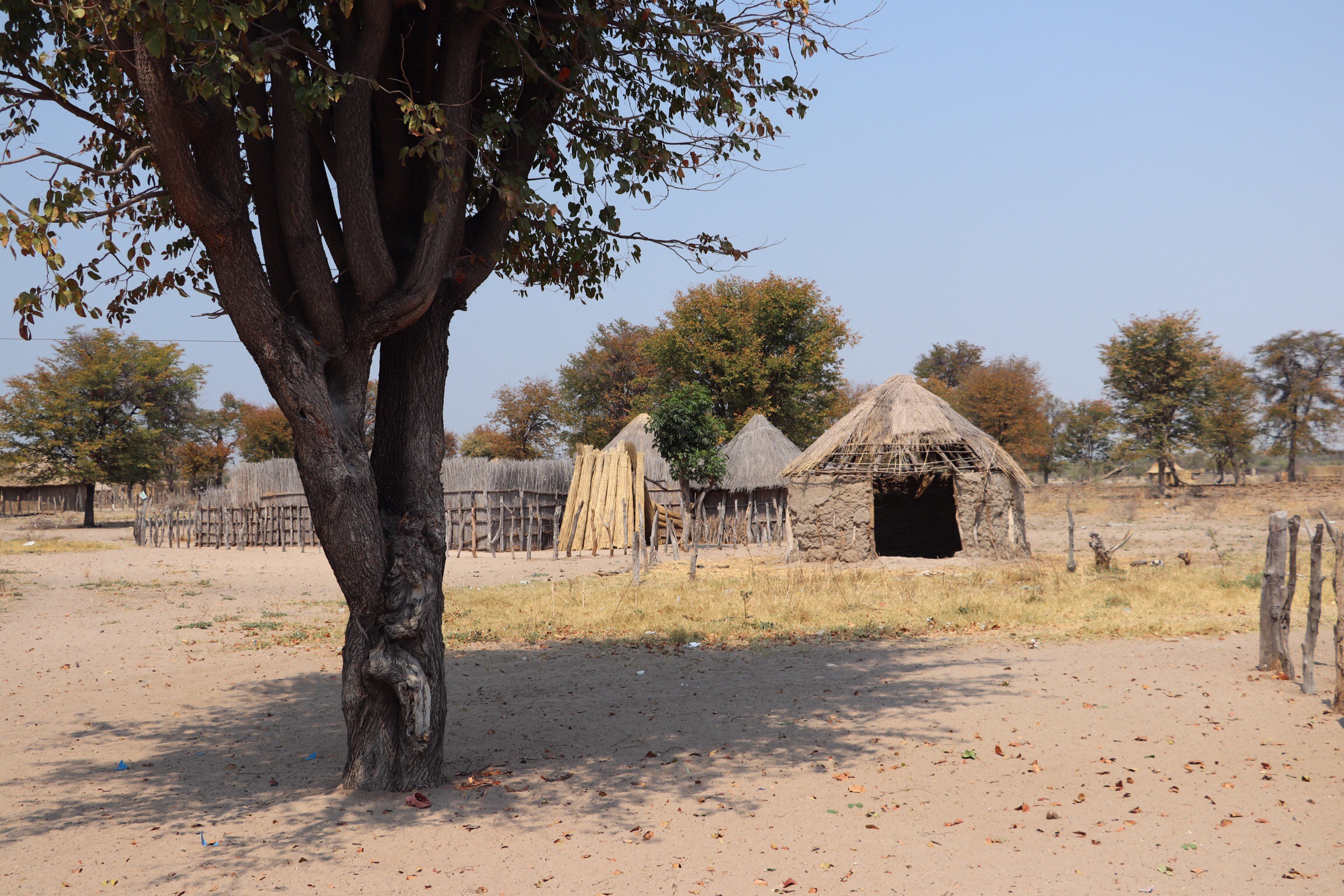
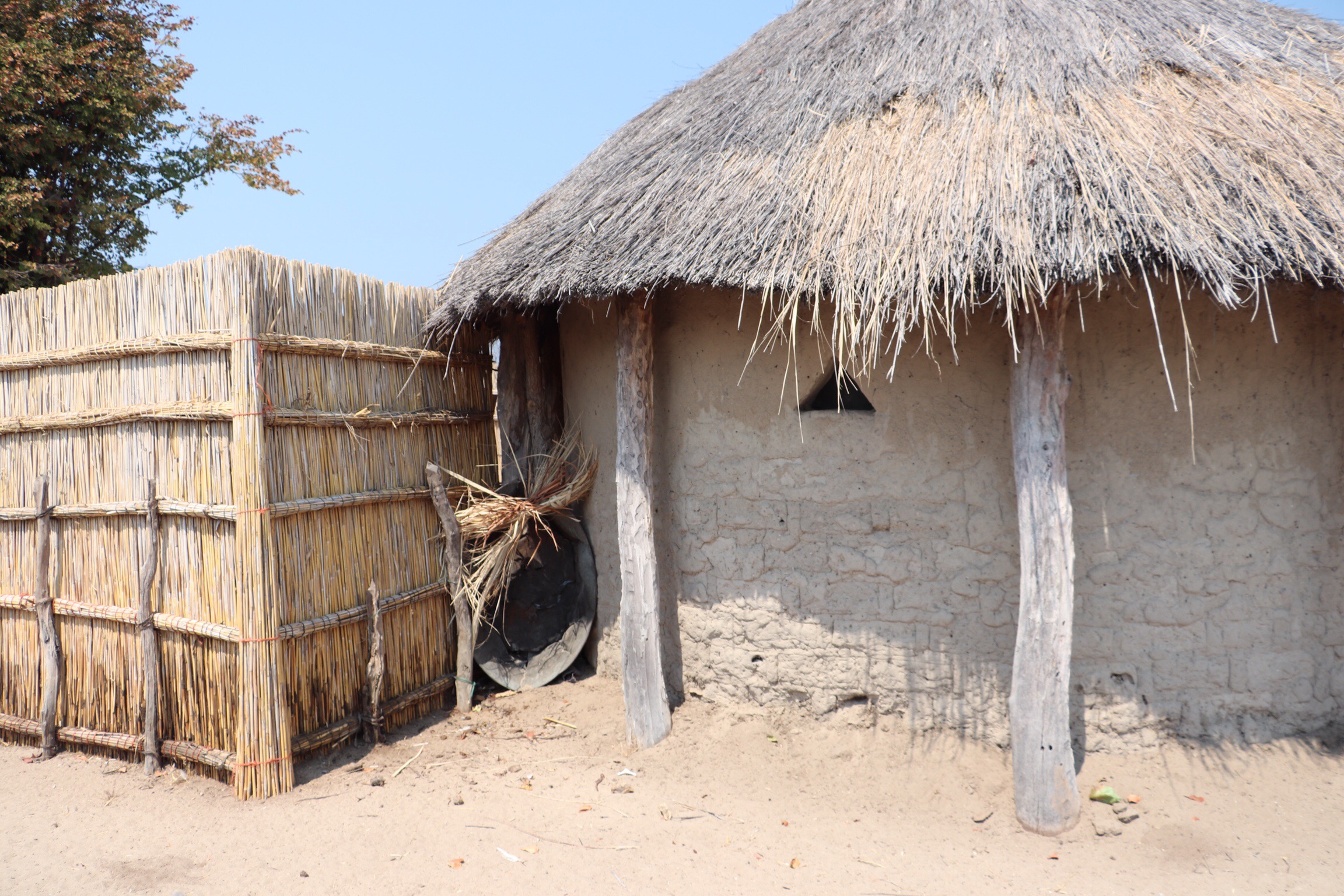
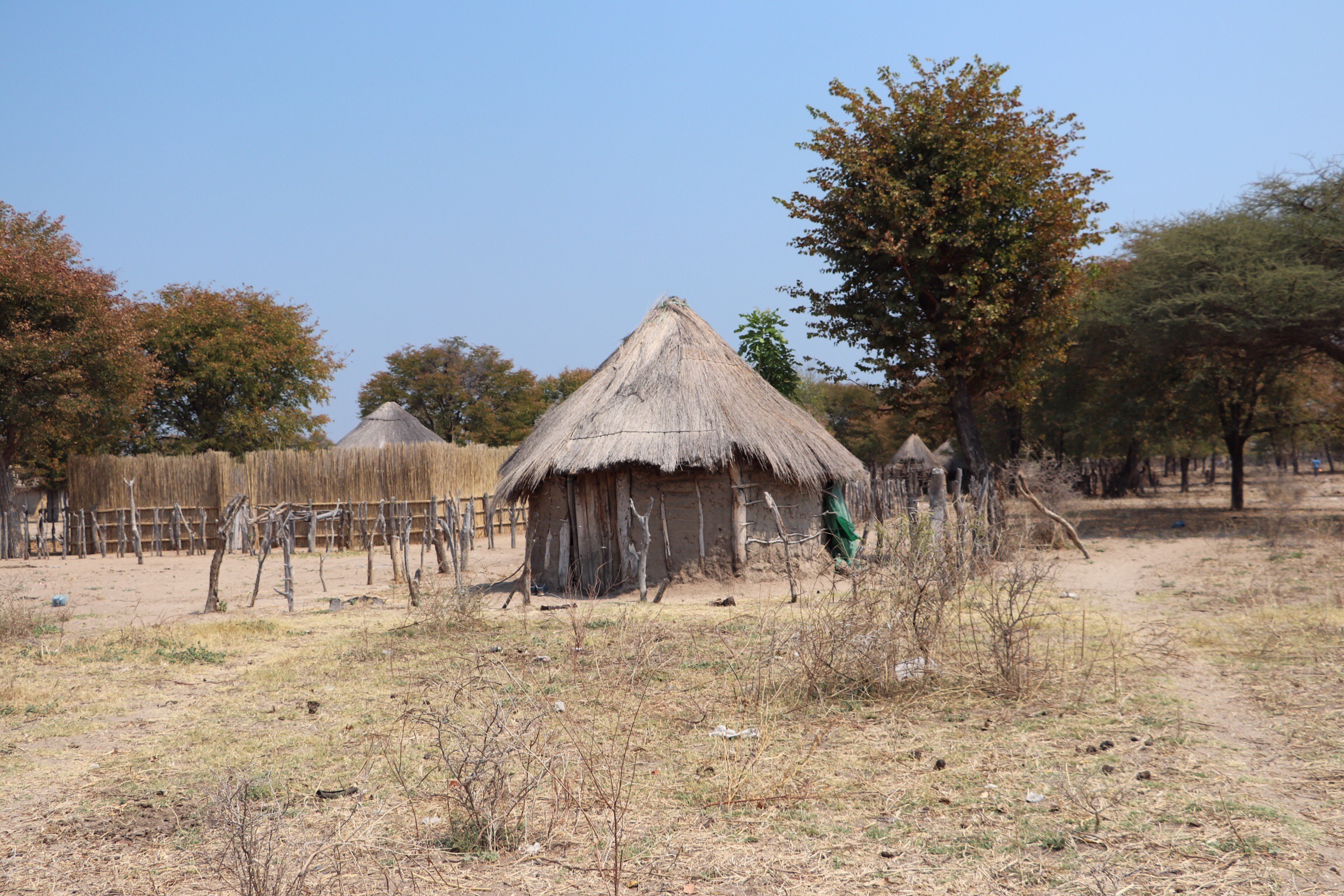
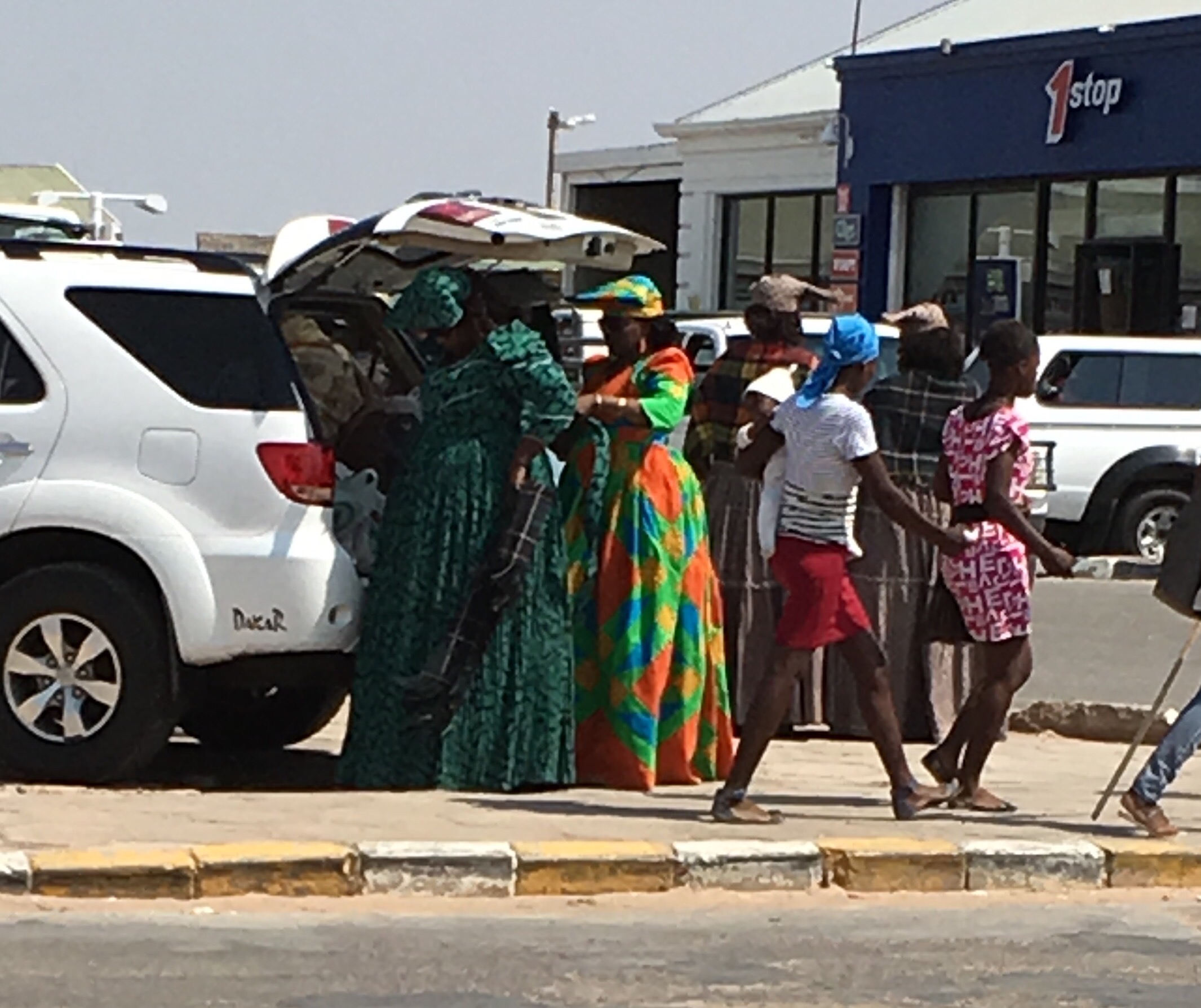
The landscape changed quite a lot in the afternoon and although we didn’t see much in the way of towns we did pass a huge settlement of farm workers. They grow table grapes in this area, irrigated from the Orange River. There is not a lot with which to build in the middle of the dessert so the workers have constructed their homes with what materials they were able to find. Set in the middle of the dessert it seemed a rather sad existence, but I guess they are lucky to have jobs and a home, such as it is. They waved as we passed by them having their lunch.

Of course while we’re on the road we were constantly scanning the horizon for anything of interest and luckily we spotted a couple of pair of Kuda. And Sandilay pointed out a Quiver Tree and explained it was used to make quivers to carry tools and such as the limbs are hollow.

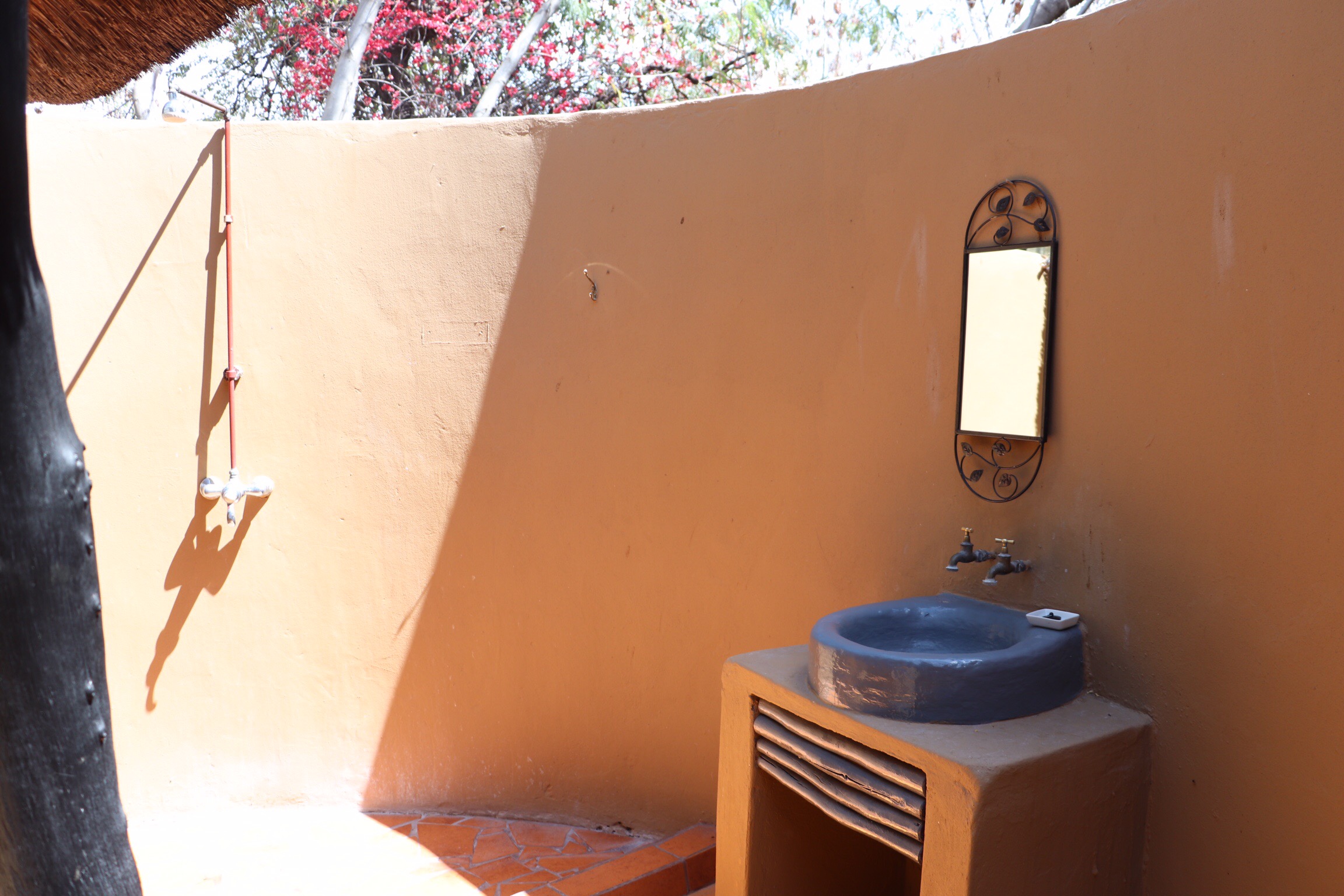
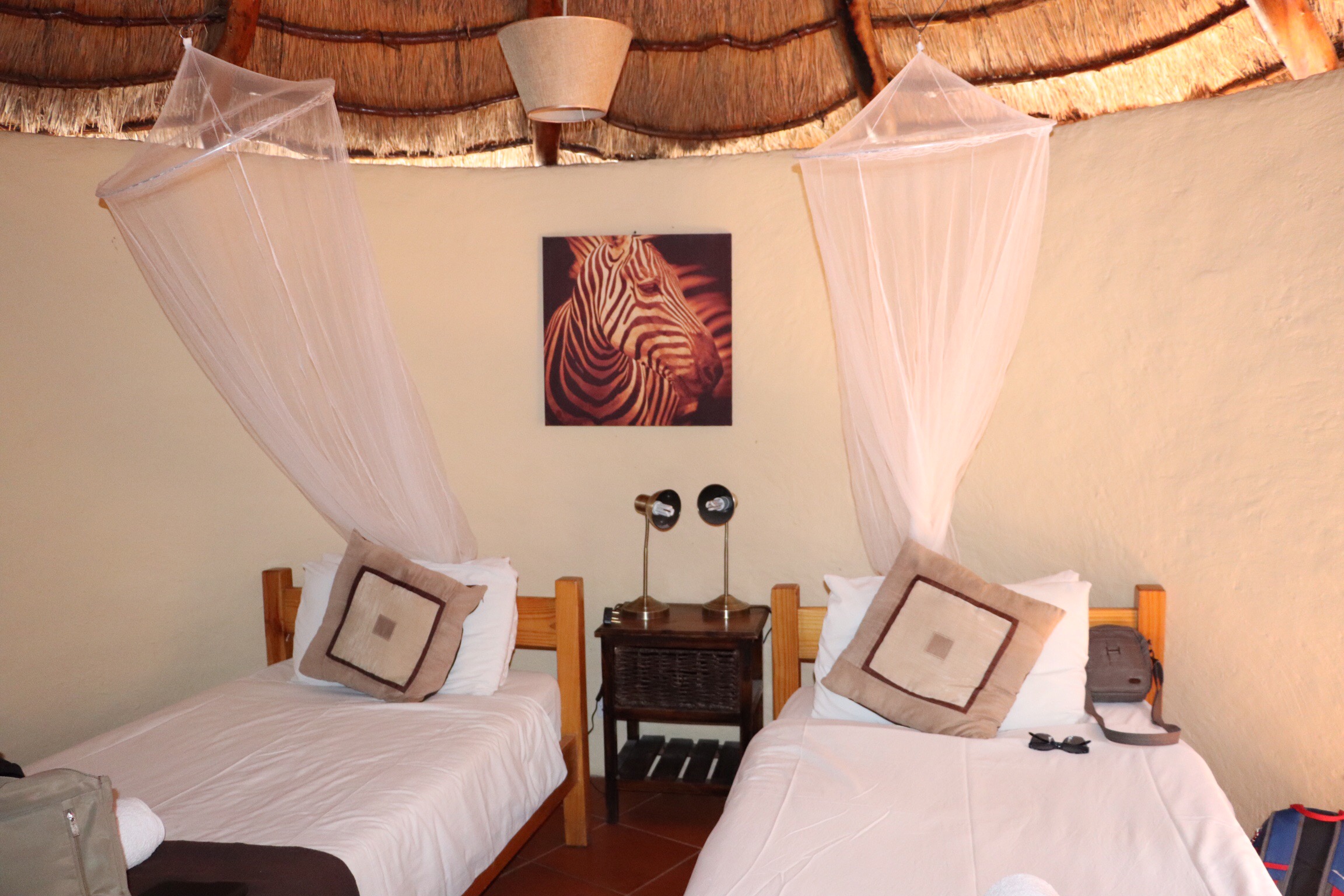
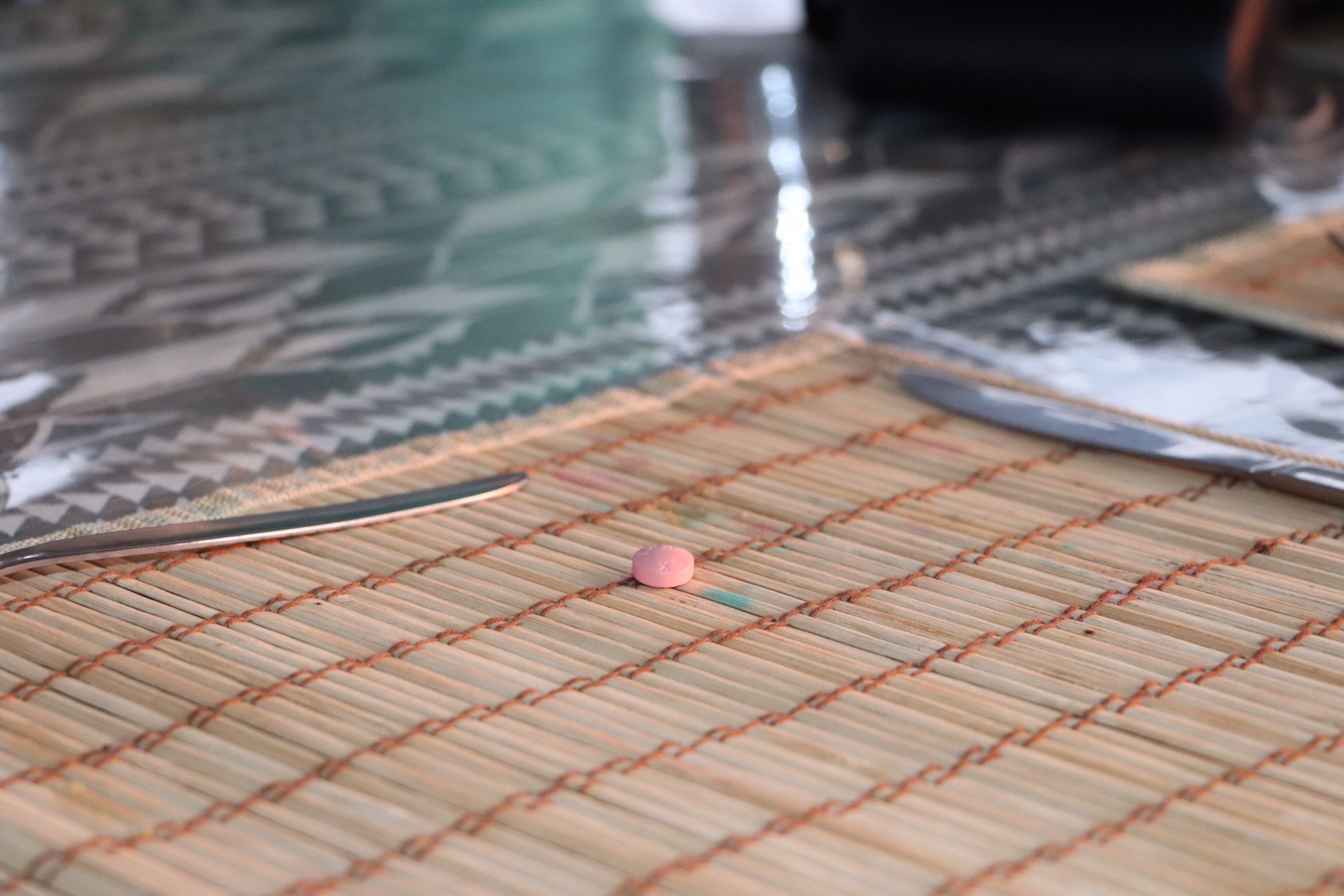
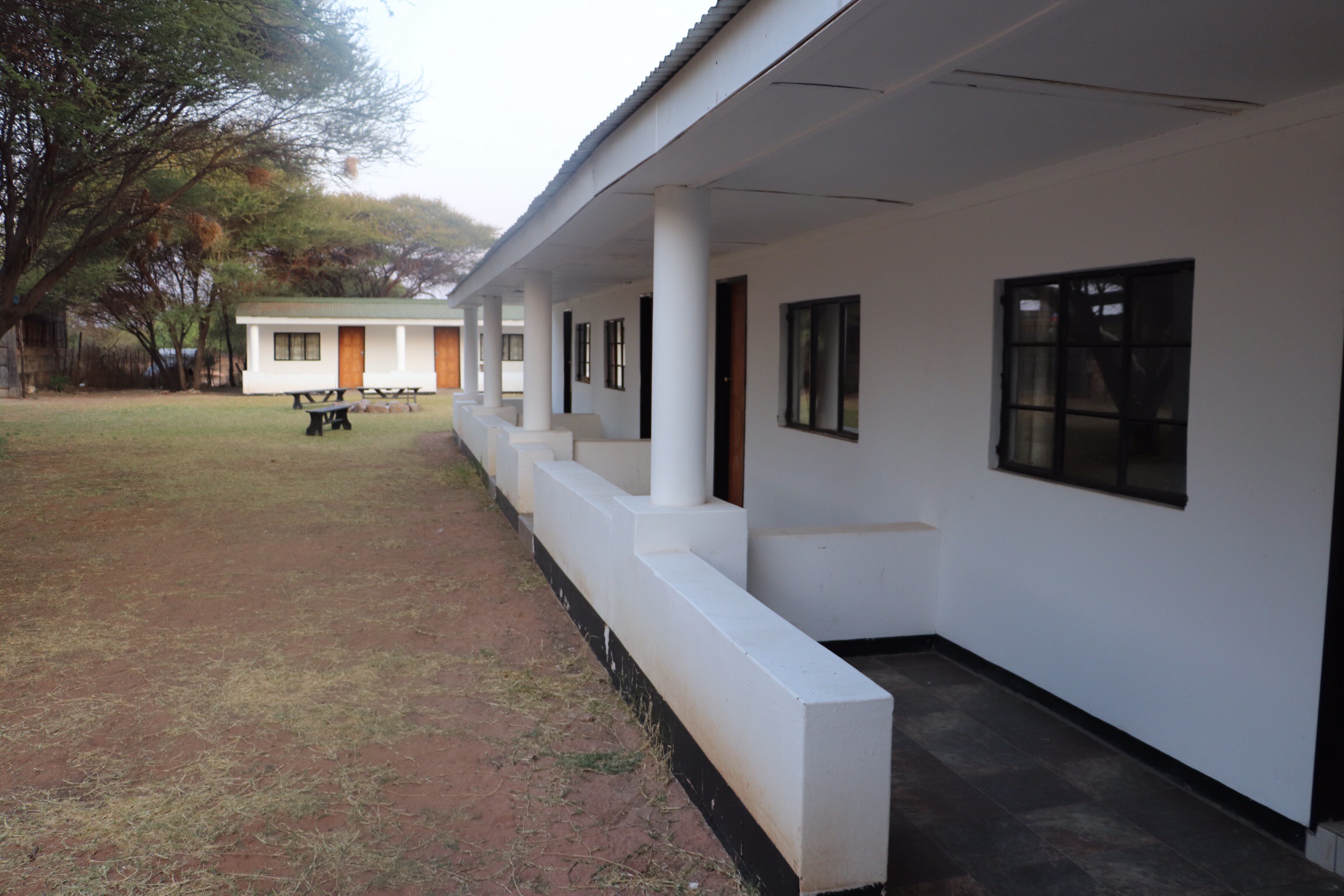
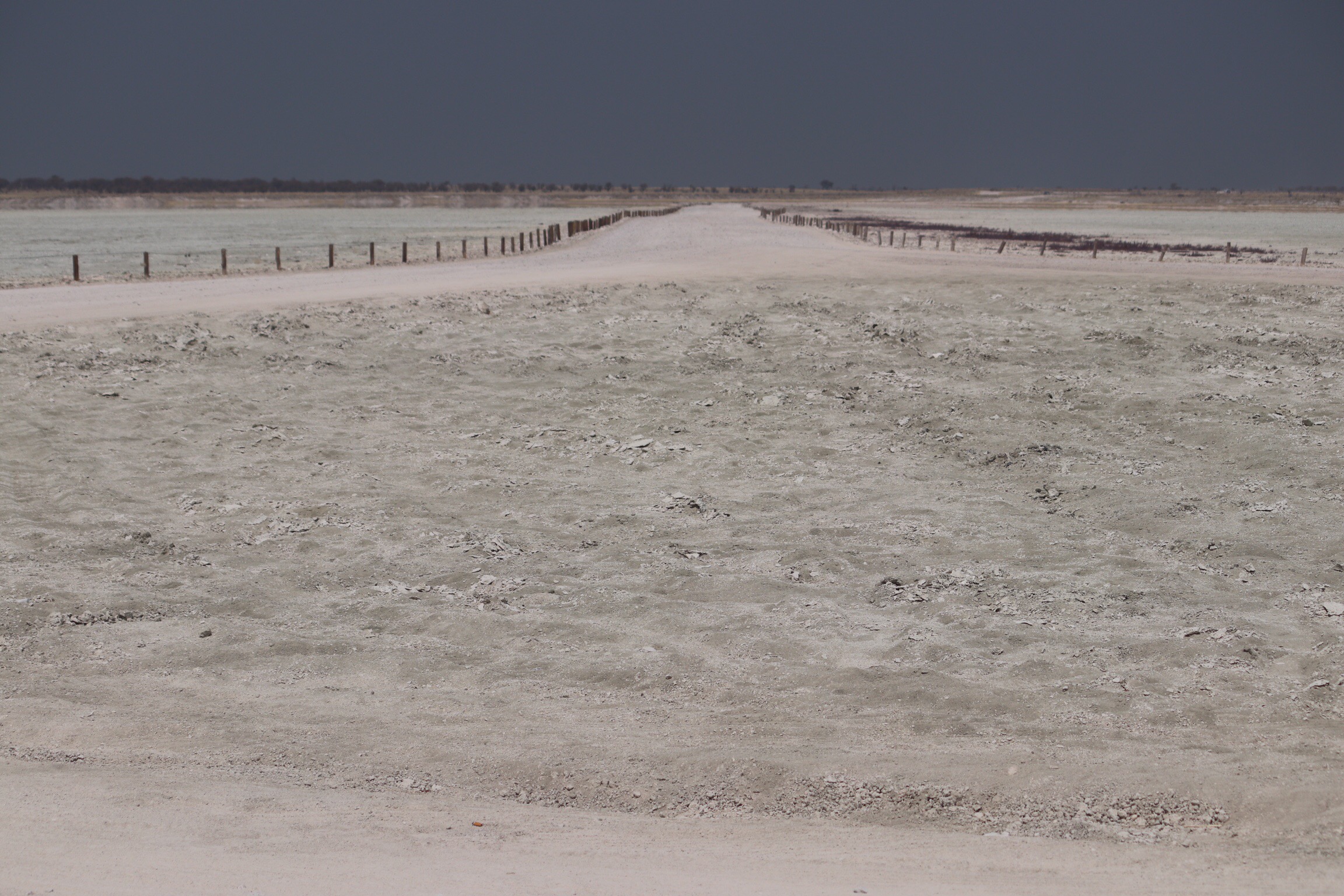
By late afternoon after many kilometres of “African massage” (washboarded and bumpy gravel roads), we came in sight of the amazing Fish River Canyon in the distance. We carried on to our Lodge, a real oasis in the middle of the desolate but truly interesting landscapes. The lodge consisted once again of little cabins but this time nestled among huge boulders, and beautifully landscaped grounds. It is rated as one of the best lodges in one of my tour books on Namibia. The rooms actually had walls built around the boulders, and other walls were made of stone, both of which were sealed with clear lacquer of some kind. For the first time the room included mosquito nets over the beds. We don’t enter malaria area for a few days so we’re not taking medication yet. It seems pretty cold at night for there to be mosquitos around but it was suggested we use the nets just in case and so happily complied. Even if there is no malaria, who wants a bunch of bites? I didn’t hear any of the tell-tale buzzing at any point

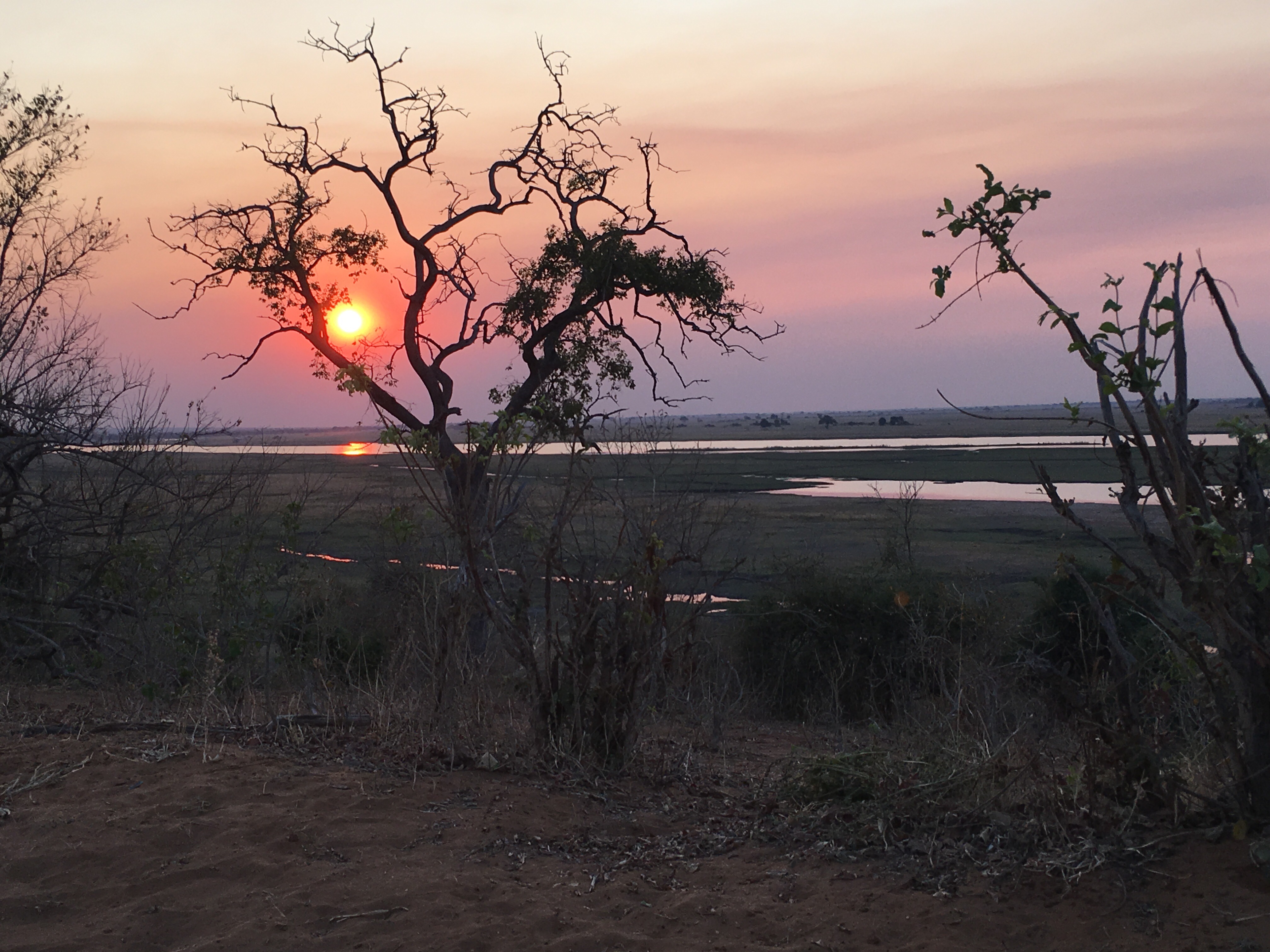
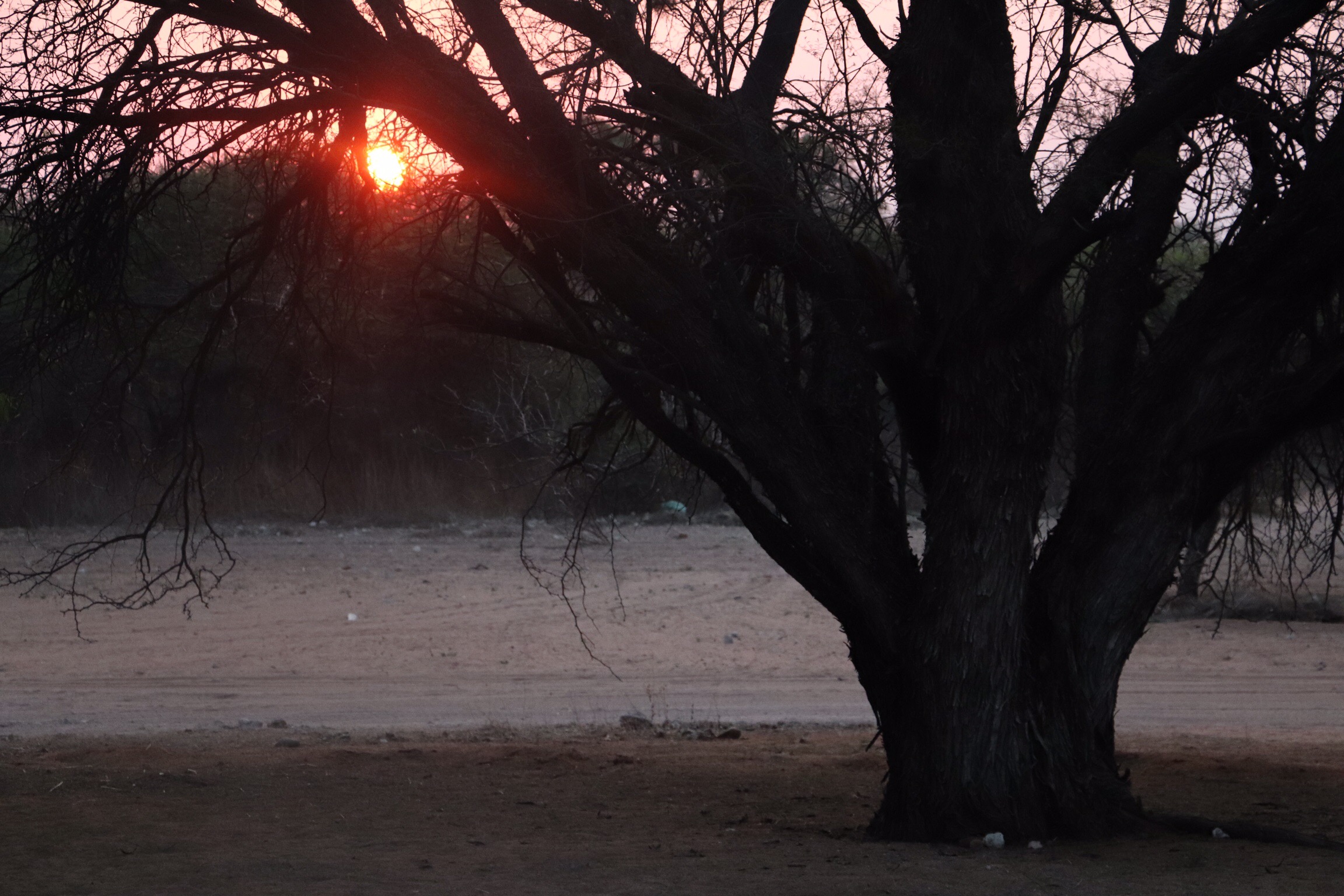
After just a quick chance to unpack a little and freshen up we piled back on the truck to go the 10 km to see the Fish River Canyon. This canyon is not like the Grand Canyon in the US with it’s dramatic vertical, deep walls, but it is really stunning. It measures 160 km long, is 28 km wide in places, and is up to 550m deep. It is a popular hike and a route along the river bed covers half the length of the canyon and takes 5 days. We arrived an hour before sunset and we walked around one side of the highest point to view the canyon with the tiny Fish River far below. There were no fences and one misstep would have been disastrous, but there were the usual, “just a little further back” jokes as we took pictures of each other. When we arrived back at the observation deck at the appointed hour to watch the sun go down, Innocent and Sandilay had laid out a lovely surprise, a wine and cheese feast with glass wine glasses and all. What a civilized way to watch the sun set over one of the largest canyons in Africa.

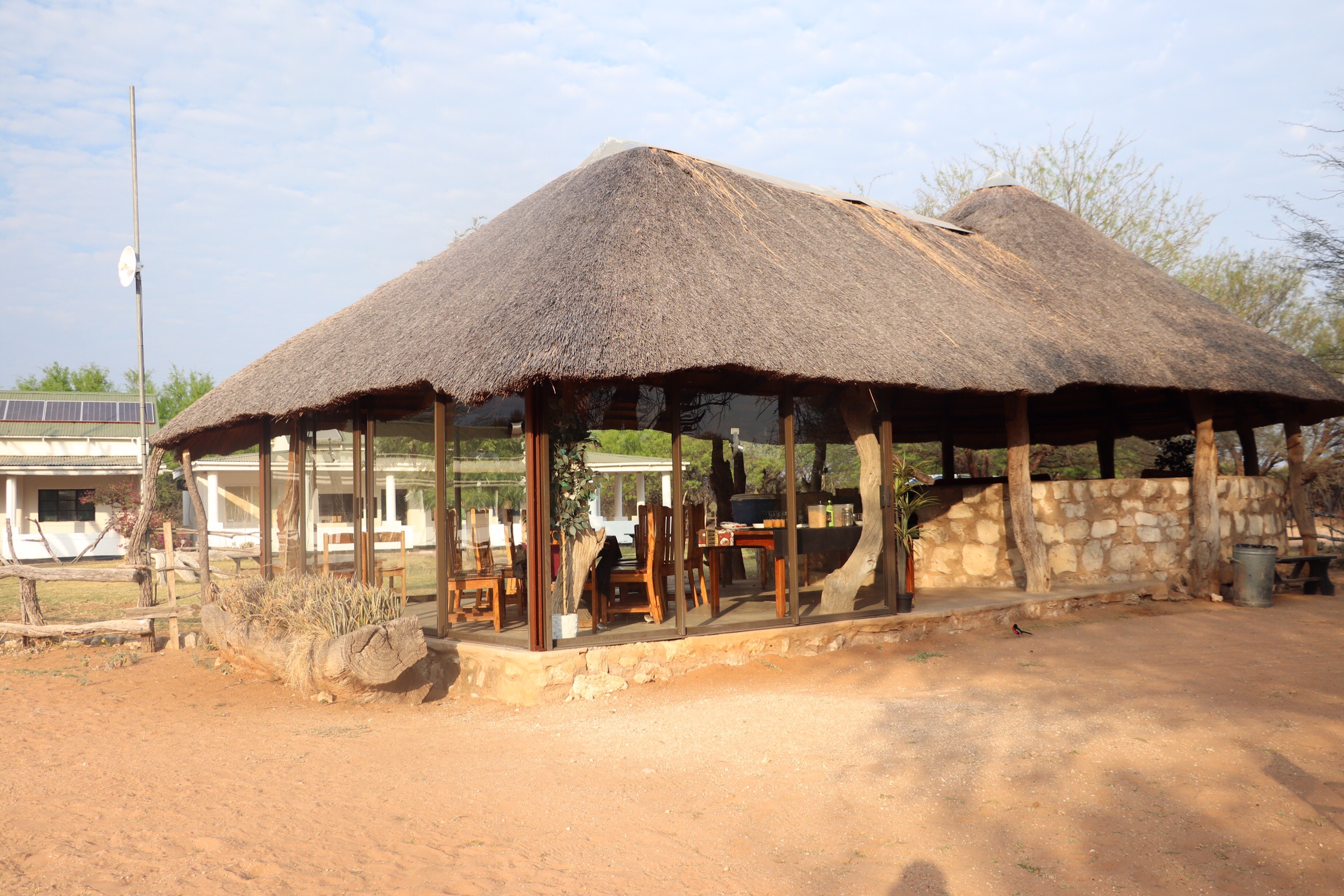
Dinner back at the lodge was fabulous buffet with a chance to try some of the local meat. I had Kuda Carpaccio for an appetizer, which was nicely smokey flavoured, and a small piece of Arxy (I think) steak for a main. As we were leaving the main building and heading back to our little cabin, we were delighted to find bins of hot water bottles by the door for us to use to take the chill off our bedding. (Which was beautiful and soft and comfie). What a treat.

Uncategorized

Lamberts Bay, South Africa to Felix Unite, Namibia


Today we were on the road early, just after dawn, and Innocent warned us it will be a long day on the bus. 

So while we roll along I should tell you about our fellow travellers. Intrepid is an Australian company so it’s not surprising that there are mostly Australians; two couples, and a solo woman traveller. There is a couple and a single traveller from England (who is originally from Tanzania). The United States of America is represented by three single travellers, two retiring from jobs in Saudi Arabia and a young woman from Los Angeles. And two Canadians, Nanci and I. And of course our guide/drivers Innocent and Sandile. Both of them are from Zimbabwe and are half Zulu and half another tribe. 

The Oliphant River is the lifeblood of the farmers in the region that we drove through this morning. They use a system of canals to irrigate using river water. We saw mostly huge fields of grape vines but also orange groves and tomato plants. There are also lots of sheep grazing. We followed the river for some time crossing it at least once. 


While we were stopped for construction Innocent warned  us about the Pencil Bush. It is a short, round bush with little yellow flowers on it. We expect to have to use Mother Nature as camouflage for squatting later in the trip (referred to as “bushy bushy”) and he warned us not to go near those bushes as their milky sap in an open wound could kill us. The smoke from dry twigs of the plant added to a fire could also kill. He had our full attention. 

As we went further north, the land was not cultivated and it was less green. 

We stopped for provisions in a town of 120,000 people called Springbok just south of the border of South Africa and Namibia. It is a former copper mine town but the mine is now spent and it primarily acts as a service centre for the surrounding farms and housing farm workers. 


We will spend the next couple of days in the desert where there are few services so we stocked up on food for picnic lunches. And we had our first one today just after leaving Springbok. I sat there thinking how amazing it was that here I was enjoying a chicken sandwich at the side of the road in northern South Africa. Pretty darn amazing. 


Next up was the border crossing. All went well with a minimum of fuss and no wait on either exiting or entering. Although we did have to take all our bags out of the truck for inspection leaving South Africa. We crossed over the Orange River into Namibia and after a short process we were on our way. 

It was just a short 10 minute drive   home for tonight. We had been driving through arid, grey shale type rock for the last little while and what a pleasant surprise awaited us upon our arrival. We are in individual cabanas lined up overlooking the Orange River. They are beautifully appointed. 


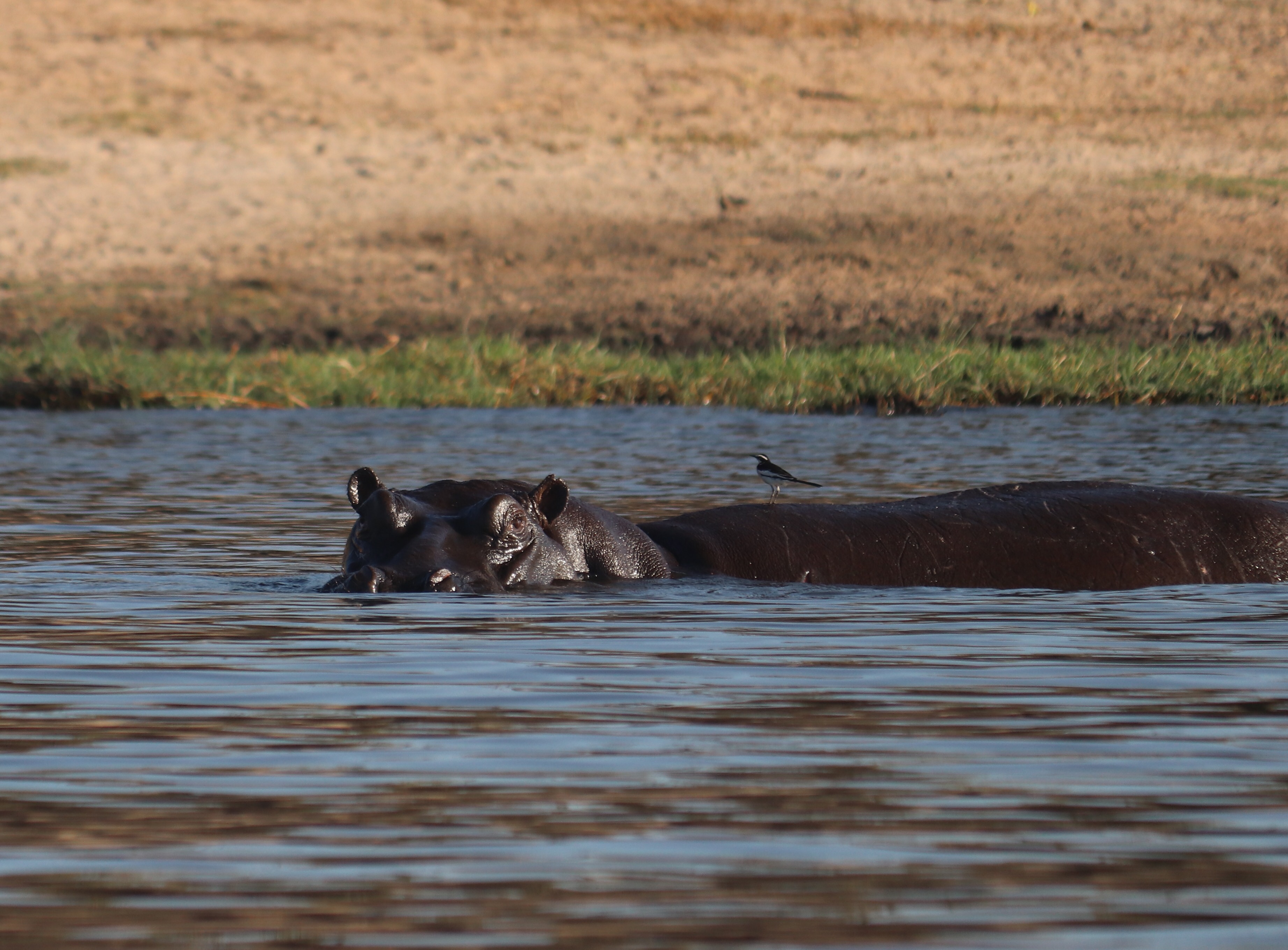
We’ll meet up for dinner tonight and get briefed on our canoeing adventure on the Orange River tomorrow morning.  No hippos or crocs we’re told. 

Uncategorized

North from Cape Town to Lamberts Bay

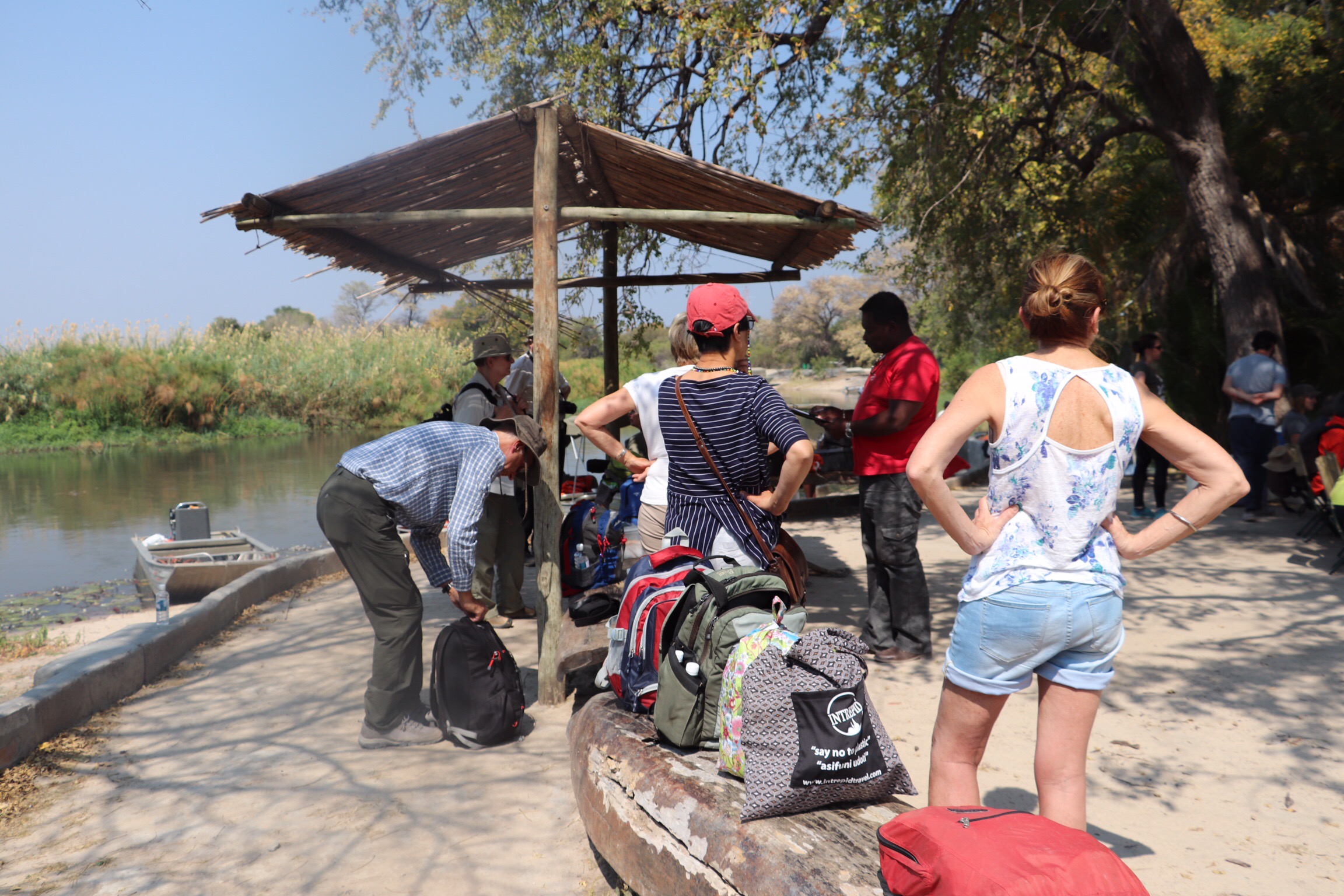
Before we get on with today, I forgot to mention that last night we were each given a really nice quality textile shopping bag. Intrepid (our Tour company) is trying to encourage their use instead of plastic in all areas of the world and asked us to be ambassadors of the cause and to use them whenever we were shopping. It’s part of their responsible travel mandate. 


The Cape Milner Hotel has been a great home for the past several nights. The staff have just been tremendous, always willing to go the extra mile. Aside from a bit of road noise in the morning, it was very comfortable. 
I was relieved when we assembled in the lobby this morning to discover that my suitcase was not the largest by any stretch and in fact was one of the smaller ones. Now I can feel guilt-free about opening the expansion section if necessary. 

The Intrepid purpose-built overland vehicle stood ready to go this morning and once we and our luggage were all stowed in lockers we were off. 
Our truck/bus is equipped with power and USB power plugs about every 2 seats, has really large viewing windows (which open for cooling), and two refrigerators. 


Since it was Sunday morning there was little traffic and we were out of the city in no time. We travelled north on a major road, the M7, towards Namibia. We stopped just north of the city for gas for the truck and to bid farewell to Table Mountain, until we meet again. 


We travelled mostly along a lush valley with the Cedarburg Mountain range to the east and small coastal range to the west. The farmland looked quite productive with crops of canola and some I couldn’t identify. We went through an area called Citrusdel that not surprisingly had groves of citrus trees, primarily oranges,which were heavily laden with fruit. 


Further along there were fields of low growing bushes of Rooibos for making Nanci’s new favourite tea. Innocent said they make the tea from the seeds rather than leaves. 

Just after noon we turned west towards the ocean on to rural highway R364 towards Lamberts Bay. After driving through the small town of Lamberts Bay we pulled into a parking lot that was already packed with cars and trucks. We walked in to a seemingly chaotic scene of cooking smoke and music and piles of people at a restaurant on the ocean. The music was an eclectic mix of Afrikaans songs and cowboy harmonica music. It was an all you can eat BBQ buffet or braai as they call it here only open on Sundays. Aside from us, the guests were all local farmers. We joined the queue and dug in and then scattered throughout the venue to find seating. After filling up on several kinds of fabulous barbecued fish, salad, bread with fig preserves, sweet potato, rice with muscles, and stir fried veggies we discovered there would be more courses! Curried beef and lamb and even lobster (which was at a premium price).  We all waddled back to the bus to carry on. 

We had only a short drive to the wharf and a marine park to see “Bird Island” and the nesting area of Cape Gannets.  While most birds spread their breeding area out these guys practically nest on top of each other. They can do that because their nests are made of guano (dried droppings) which can’t be stolen by other birds. We watched them for a time from a blind to see their behaviours. They are quite aggressive and they use their various movements to keep fights from breaking out. We don’t have wifi so I can’t upload the pics I took of the birds tonight but I’ll add them another day. 

Next it was off to our swanky hotel, not. It’s a small hotel that is supposedly under going a renovation. But the room is spacious and clean if somewhat tired. 


We are having dinner at this hotel tonight and will turn in early as we have a long day tomorrow. 

Uncategorized

We walked and walked and walked……

11,938 steps and 8.0 km in fact.

We headed for the downtown core of Cape Town on foot today. A 15 minute walk had us exploring along Long Street where there are so many lovely old buildings now housing everything from beer halls to craft stores. Many were build in the late 1800’s.
We stopped to browse through the Greenmarket Square and managed to stimulate the local economy a little. Then we headed over to the District Six Museum. District Six was the scene of the removal of over 60,000 inhabitants in the late 1960’s and early 1970’s under the apartheid regime and specifically under the Group Areas Act. The area was an active and lively community as early as in the late 1800s, full of indigenous peoples and immigrants of all sorts of descents; Malay, Blacks, Indians and Afrikaners. Their homes were flattened and they were relocated to a dreary area outside the city. Under the Group Areas Act, people were also moved out of rural areas. After the fall of apartheid in 1994 the government started to rebuild the area and Nelson Mandela oversaw the return of residents as early as 2003. Claimants are still working to get their property rights and housed re-built as well as restitution for lost quality of life, loss of education, etc.

Oh, and yes, Cape Town does have a Hop On, Hop Off Bus too.

Next it was a walk past the very impressive Cape Town City Hall built in 1905, where Nelson Mandela made his first speech as President from the balcony of this incredible building. The limestone for the building was imported from Bath, England.

Of course we couldn’t come to a capital city of a country and not see the legislative buildings! Being a Saturday it was unfortunately closed. South Africa is interesting in that it really has 3 capitals: Cape Town is the seat of Parliament, Pretoria is the administrative capital and seat of the President and Cabinet, and Bloemfontein is the judicial capital and seat of the Supreme Court. Below is a small section of the National Parliament Buildings but is not the main building as we seem to have missed that in our wandering.

We had gradually been making our way toward The Company Garden, in the centre of the city and adjacent to the Parliament buildings. The Garden originated in 1650 and is the oldest garden in the country. It was started as a garden for the founder and Dutch colonial administrator of Cape Town, Jan Van Riebeeck but is now a really lovely public garden which I bet is really busy at lunch time during the week. Today it was full of families and couples and groups of friends enjoying the warm winter day. You can see Table Mountain from the garden, as you can from almost everywhere in Cape Town. You see it sneaking through the branches of this picture of some pink blossoms on some trees in the garden. Nice to experience spring twice in one year.

We stopped for a quick salad at a lovely outdoor cafe in the Garden to the sounds of a few young people busking in park singing really pleasing traditional African songs.

After lunch we wandered through the park to find the statue of Cecil Rhodes, and past the Slave Bell. The history of Cecil Rhodes in Southern Africa is long and detailed and I’m not even going to start with it here. I’ve read lots of Wilbur Smith books and he figures prominently Smith’s historical fiction. The Cape Dutch design Slavery Bell was built in 1911/1912. Bells such as this one were used to call slaves to various tasks during their day, but this one was built after slavery was abolished.

Then it was back to our home away from home this week, the Cape Milner Hotel, where we discovered our chariot awaits! This will be our transport for the next 22 days as we depart tomorrow for Lampert’s Bay north along the coast of South Africa on our way to Namibia.

Uncategorized

Two iconic stops in Cape Town

Today we spent the day in an around Cape Town once again. We started the day with a trip to Robben Island, then had a brief tour of the downtown core, a visit to the Castle of Good Hope, the South African Museum, a quick drive through the Malay Quarter, and then up to Table Mountain via the cableway. It was a very busy day.

The ferry ride to Robben Island, one of the most famous prisons in the world because of its most famous political prisoner, Nelson Mandela, took approximately 45 minutes. We were lucky to have a really nice day, sunny and 22 without even any chop on the water. Once on the island a young man, who could talk faster than almost anyone I’ve heard, was our guide for a bus tour around the island describing life for the political and other prisoners on the island. We saw the prison buildings, historic church, and current facilities for the staff working at Robben Island.

One of my take-aways was the number of lesser known, by me at least, activists, who were imprisoned there between 1962 and 1991, and their hardships. The political prisoners endured even more hardship than the criminal element. Torture and incredibly poor living conditions such as just thin mats on the cement floor for sleeping with only thin blankets against the cold winters, a bucket as a toilet, torture, small food rations, infrequent visits and letters from family were all endured. Below is a picture of cell number 4, Nelson Mandela’s cell.

The political prisoners were required to work in a limestone quarry through the cold and rain for long hours when even the criminal prisoners had much lighter duties such as house cleaning of the soldiers barracks etc.

Mandela’s story is well understood but there were so many more that in their own way promoted various civil rights causes. One in particular, was Robert Sobukwe who was a Secretary General of the ANC and then started the Pan Africanist Congress. He had led a nationwide protest against the requirement that black people carry a pass book (like a passport for use inside the country) at all times. He was thought to be such a threat that he was kept in solitary confinement in a separate building on Robben Island and not allowed to speak to anyone. A law named after him was even passed and enacted to keep him imprisoned.

After the tour of the island to see the prison buildings and those supporting the island’s current staff, we were met at the entrance to the administrative building by another special guide for the tour of the maximum security block where Mandela was held. Our guide was inprisoned on Robben Island for his role in the 1976 Soweto Uprising against Apartheid. He told us several stories about his experience such as sending notes back and forth from one prison block to the other using a tennis ball during their once a week chance for exercise, the misery of trying to keep warm at night sleeping on the cement floor, having to strip naked and run through the compound in mismatched shoes and nothing else. And, with passion, he told us how through all that, Mandela inspired he and others with his unbelievable capacity for forgiveness. Our guide was not without humour, insisting that we repeat Mandela’s assigned prisoner number (466/64) til it was sufficiently loud enough and telling us that they named the tennis court they could use monthly “Wimbledon”. It’s unfortunate that because of his strong accent and way of speaking that we missed much of what he was saying but no one doubted his passion, sincerity and the scars that have been left by his incarceration and that of what became his friends among his fellow activists.

We shook hands good-bye with him at the gate of the prison. He made quite the impression.

The return trip was really pleasant and passed quickly. We stopped for lunch with a woman who joined us on our day of touring. Turns out she is was a 10 year Labour Member of Parliament for the State of Queensland. As you can imagine we had some interesting discussions over lunch.

In the afternoon we had a brief tour of the downtown core and our guide explained the canal system of water flowing from Table Mountain to the ocean through the centre of town. The canals are now underground, and given the severe water shortage he though maybe tapping in to this fresh water source might be a missed opportunity. We headed to the Castle of Good Hope, which is an active military base. We would have called it a fort and it performed the same function as our early forts did in the early years of the settlement in Cape Town by the Dutch and then the British. It had the impressive big canons, munitions buildings, and even had a torture chamber! The former Governors home was filled with period furniture and we toured through it, and an art exhibit being held in the castle.

Next it was on to the South African Museum where petroglyphs from thousands of years ago were impressively displayed. We really only had about 10 minutes there because we had to get up to Table Mountain before it closed for the evening. Enroute to the mountain we (and by we I mean Nanci) asked the guide to drive us through the brightly painted houses of the Malay Quarter. We were there as the call to prayer was being broadcast and Nanci and I were transported to Turkey.

For us, just like 25 million people before, Table Mountain was a quick trip up (after some scrambling to buy tickets in the queue outside on my iPhone – long story) to the top, at 3,500 feet. The cableway just reopened after annual maintenance and we were glad of their diligence to maintenance given it’s been operating since 1929. Somehow I don’t think the rotating cable car’s engineering was done in 1929. Each car holds 80 people and only takes 4 minutes to get to the top. The floor of the car rotates 360 degrees during the ride up to allow visitors an ever changing and amazing view

We wandered or rather raced around at the top, taking pictures as best we could while our guide stood in line for us so that we didn’t have to wait to get down as the cableway was closing. It was a quick trip up and back, but so glad we had the opportunity to do it. Many of the tourists we’ve talked to this week were not so lucky and their plans were cancelled by bad weather. The cableway is shut down in any significant wind and as you already know, wind is very common here.

After freshening up we headed out to a restaurant a few blocks away, Rick’s Cafe Americain, that was recommended by our hotel front desk. It was a fantastic recommendation. Seemed to be a locals hangout as we’re located in a residential area on the way to Table Mountain. The food was excellent, and the place was full of energy.

Tomorrow will be our last day in Cape Town. We join up with our Tour Group tomorrow evening and then we’re off on our adventure the next morning. So you may not hear from me for a few days. Can’t wait!

Uncategorized

Finally, penguin day arrives

When you tell people you’re going to Cape Town, almost anyone who has been there says, “Be sure to go see the penguins”. Today was the day! But I digress.

Today, with a smart, knowledgable and lovely young man named Xavier as our tour guide and driver we circumnavigated the Cape Peninsula. After a brief stop to pick up two other guests from India we were on our way from Cape Town to the tip of the peninsula at Cape Point.

We headed first down the west side of the cape driving through several of the most affluent neighbourhoods of Cape Town. Condos and homes were built up and down the cliffs from the main road overlooking the Atlantic. Bantry Bay was the first community we passed through and it’s one of the most desirable because it is protected from the winds by Lions Head mountain. Xavier told us that the wind is called the Cape doctor because it takes away all the pollution from the city and blows it out to sea.

Next up was Clifton which is the top ranked affluent neighbourhood, with five beautiful beaches. Along this stretch of affluent communities there was recently a Justin Bieber sighting when he was seen dining here during his tour to Cape Town. Unfortunately, I suppose because of his recent visit to the area, quite often when we tell people we’re from Canada Justin Bieber is referenced. Sigh. Could think of other worse things I suppose.

This coastal drive is on the back side of Table Mountain and perched atop the mountain from this angle and circling Camps Bay are the Twelve Apostles. We had a quick stop at Maidens Cove for picture taking and then we stopped high on a hill to take pictures of an amazing beach, really wide, long (12 km) and beautiful white sand. There were a couple of horseback riders on the beach and they were just tiny specks, lost in the expanse of the beach from our perspective. What a great place to ride. One thing I hadn’t expected expected from Cape Town was the plethora of beautiful beaches in the area. The Atlantic is rough and cold so activity even in the summer is mostly sunbathing, one clothing optional.

With fabulous views with every turn, we were soon on to Houts Bay (Hout is the Afrikaans word for wood and since the early settlers used wood from this area to build homes, that name was given to this large protected bay). There is a port and yet another lovely beach and then we were on to Chapman Peak Drive, a toll road now to pay for major reconstruction after a rock fall 10 or so years ago took out part of the road. Even now buses are only allowed to travel south on the highway because the lane going north is too narrow.

Along the way we talked to our guide about how daily life is in Cape Town and more generally South Africa. It was interesting to hear his perspective.

As we neared the southern most tip of the Cape we stopped to see an Ostrich farm and I learned a lot about them! The hens lay an egg a day until they have a full nest to sit on and of course they sneak the eggs out from under them to encourage continued laying. The gift stores are full of ostrich eggs, painted and etched and adorned for sale. They are huge – 6 inches high and weigh about 3 pounds (20 times the weight of a chicken’s egg). Imagine the omelet! When the females, which have grey feathers vs the males black and white, are in breeding season their necks turn pink. Pretty darn obvious! They mate for life, just like Canada Geese I pointed out to Xavier. Not sure he knew what a Canada Goose was.

We arrived at the entrance to Table Mountain National Park, which Cape Point and the Cape of Good Hope are part of, and stopped in line at the gates to pay the entry fee. We waited just a few minutes and Xavier said in the summer, high season the wait is over an hour some times. We were actually reminded several times today that travelling off season to this area has many advantages especially when we had such fabulous weather as we did today. All venues had lots of visitors but they weren’t crazy busy. At the Cape we were able to drive up to the parking lot where as in the summer, the vans have to park and visitors have to go to the entry point by shuttle bus.
There are two points at the south end of the Cape, Cape Point and the Cape of Good Hope. We headed to Cape of Good Hope first. A common misconception is that the Cape of Good Hope is the southern most point of the continent of Africa, but in fact it is the most south western most point. Cape Agulhas, which is 250 km to the south east, is actually the southern most point and is where the Atlantic and India oceans meet. We won’t unfortunately be able to get there this trip.

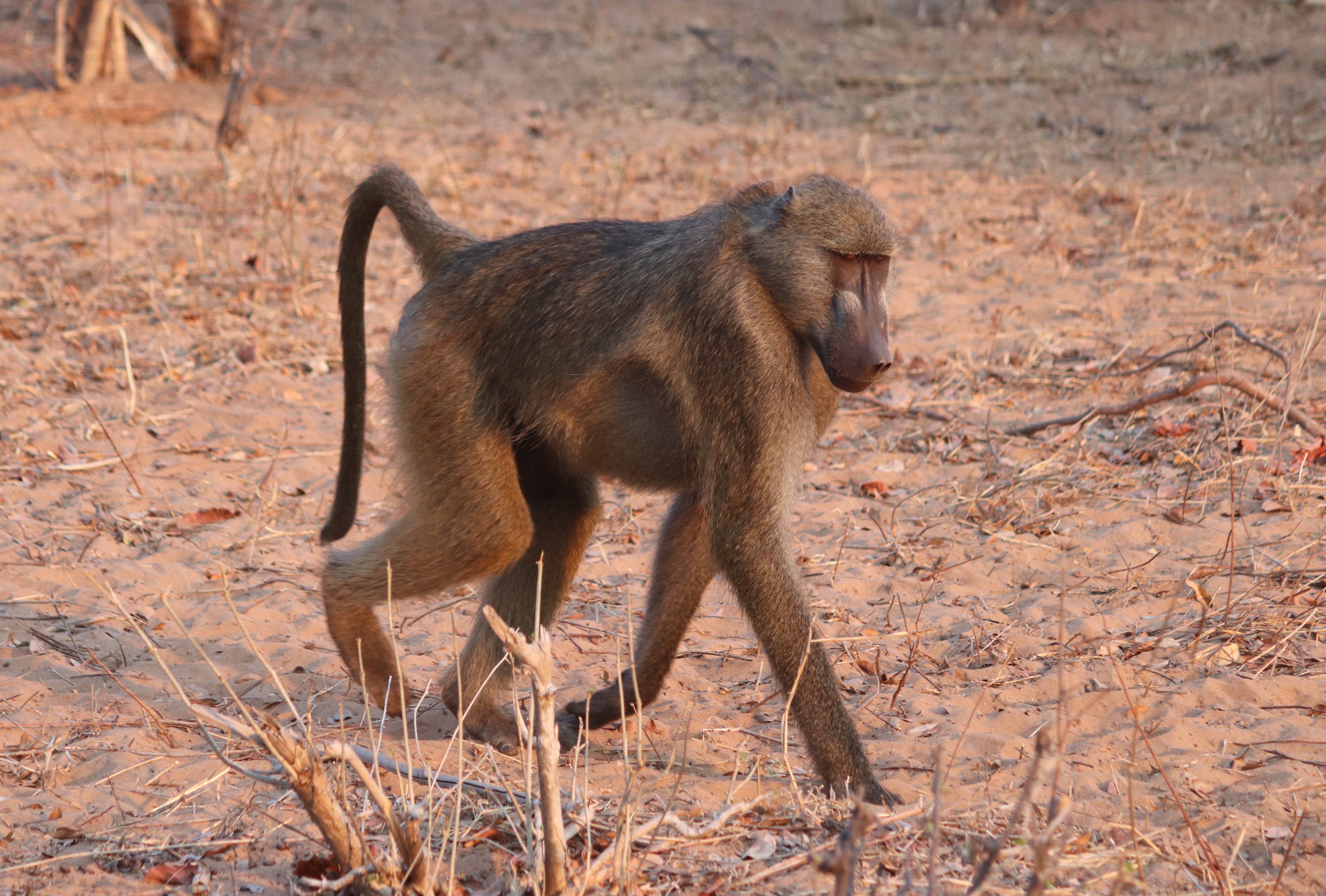
After the compulsory Kodak moment (queuing involved), we headed over to Cape Point where the light house is located. We walked the 15 or so minutes up to the top of the Cape and to the lighthouse there. What a spectacular view. After a quick lunch, almost stolen by the aggressive birds lying in wait for unsuspecting tourists, we turned north to return to Cape Town on the coastal road on the east side of the Cape. We did not, however, see any evidence of the Baboons that the frequent signs warn tourists to be on the look out for and protect their food from.

It was here, near Simon’s Town, that we got to fulfill our goal of seeing the African Penguins along Boulder Beach. I know I’m not alone in thinking Africa was a strange place to find penguins. One thinks of the Emperor Penguins and all the ice and snow in which they live. But there on the beach and surrounding sand dunes was one of the 52 colonies of African Penguins. They’re so cute and we spent 30 minutes or so watching their hilarious movements. There are only 3 colonies on the mainland with the majority of them on islands off the coast. I could write about penguins but it’s late and really, do you care, other than they’re cute.

Simon’s Town is a really nice looking community of expensive homes, and great looking shops and restaurants. But in short order were were off on the coastal road heading back to Cape Town. We didn’t make any more stops but we did get to enjoy the fabulous views and cute villages, such as Fish Hoek, along the way.

We had Xavier drop us off at the Waterfront so we could enjoy another of the great restaurants for dinner there. Then it was back in a cab for our hotel where we hope to have an early night because we’ve got more fun and adventure planned starting early tomorrow. More then………

Uncategorized

There can’t be a better way to spend a birthday.

Today I turned 62. That’s like the new 42, right? Doesn’t matter, age is a state of mind or just a number. I still feel like I’m 25 but with a whole lot of experience.

And today, I spent the day in the area in and around Stellenbosch, South Africa, touring wineries and enjoying lunch and the company of new friends and old, er I mean longer term.

Just before 9:00 am Marius from Camino Tours picked us up at our hotel and we headed north-east around Table Mountain and over to the town of Stellenbosch to gather up another couple of guests that would be joining us on our winery tour today. Actually, they refer to them as farms rather than vineyards or wineries here. The other guests turned out to be a young couple from Ireland who were fitting a dream trip to Africa in before moving and starting new jobs in Tipperary. They were excellent touring companions.
The town of Stellenbosch, founded in 1679, is the second oldest European settlement in South Africa (next to Cape Town), and is home to Stellenbosch University and to a fantastic grape growing region. It’s about 50 km from Cape Town at the base of Stellenbosch Mountain. The soils of Stellenbosch, well-drained and hilly and the Mediterranean climate, are great for grape growing as the hundreds of vineyards in the region have discovered. Summers (Feb/Mar) are dry and warm to hot and winters are cool, rainy and sometimes windy, as we discovered since we’ve been here.

As an aside, the Cape region has been suffering this winter from a lack of rain and the reservoirs are only at 17% capacity. Water is on strict rationing and people are asked to use a maximum of 85 litres per person per day, which requires some serious conservation efforts such as reusing bath water for flushing toilets, etc. As visitors we’re exempt from this quota, but we’re doing our bit by having short showers, etc.

Marius took us to our first stop just outside Stellenbosch to a winery called, Overgaauw Wine Estate, which is a fourth-generation (more than a century old) family-run winery. The property was rich with history and character, with building built in the typical Dutch Cape Design. Our host was a delightful woman, who, with her brother, is now running the business after taking over much of the responsibility from their father. She had an obvious knowledge of, and love for the industry and her family’s contribution to the art of wine making.

This winery has a reputation for many firsts, including new vintages such as the first South African estate to bottle a 100% Merlot, and was among the first Chardonnay producers. We tried 6 wines here, including a fortified wine that I absolutely loved. Now, at this point I should probably admit to not really being very much of a wine drinker. Probably a wine tasting tour is a bit wasted on me. But I did my bit and tried everything that was presented to me. The fact that a fortified wine was one of the highlights of the day is remarkable.

Our next stop, Jordan Wine Estate, was just down the road and was about 180 degrees different than the first. It was a much more commercial enterprise with a new shiny show room, slick merchandizing and marketing and multiple staff performing the tastings.

The estate has been producing grapes for 300 years but was most recently handed over to the second generation Jordans in 1993 when they bought it after having been bought by their parents in 1982. I loved the Chenin Blanc from there, and the property was absolutely gorgeous with views of the surrounding hills and vales. The charm and character of the previous host and family run operation just wasn’t there.

Some of you will recognize the name of the next winery that we went to. Ernie Els is best known as a golfer on the PGA Tour and he’s won an amazing number of tournaments. He is from the Johannesburg area of South Africa, but his wife is from Stellenbosch and she obviously has a huge influence. South east of Stellenbosch, up on a hill is a beautiful property, the home of Ernie Els Wines.

It’s the only winery we visited that had a trophy room or a chipping mat and landing green as highlights. The property is manicured and the buildings impressive, as are the trophy’s and pictures from Ernie’s golf career. The sun came out for a little while for us while we were there, but we didn’t have a chance to take a swing of a golf club. We did however, manage to taste another 3 wines or 4 wines. As you will know, there are spittoons provided so that you don’t actually have to drink all the wines you are tasting and when I attended an LCBO (the Ontario government liquor monopoly for those of you outside Ontario) tasting they encourage the use of the spittoon and responsible drinking. But hey, it’s my birthday and I’m being driven so yes I probably drank more wine today than in the previous whole year. I didn’t dance on any tables so I think I managed to handle it OK.

We got to our lunch destination, thankfully, just in time before the kitchen closed down. Lunch was beautiful. I had springbok. Sorry to all you vegetarians, vegans and pescatarians, but it really had to be tried. It was a very flavourful main dish and with so much meat provided I wasn’t able to get through it all (and eat dessert, I mean). Dessert was a chocolate ganache with cappuccino ice cream served with a chocolate wafer. You’ll see a picture of it, where I tried to hide the fact I’d already eaten half. Did I succeed?

After a leisurely lunch spent in the company of our new Irish friends, Marius was back to collect us to show us our final estate for the day, Annandale. I’m not really sure what to say about it, other than it had history, charm, roosters and hens, two massive dogs, a quirky host and red wines. To be honest by this point, and after a heavy lunch, I was ready for a nap, not more red wine. But again, I did my bit and had a few sips of each, and then I disappeared to catch up with the roosters.

We parted company with our Irish friends but not before meeting up with the owner of Camino Tours, Antoinette who presented me with a bottle of their wine as a birthday treat. I would highly recommend Camino for anyone wanting to do a wine tour in the Stellenbosch area for their professionalism and warm attention. Marius was an excellent guide with a laugh or a joke never far away.

All in all a great day. A birthday to be remembered for sure.
Uncategorized

It finished better than it started


Both Nanci and I had a great sleep last night and even felt human when we got up this morning. We did, however, get a slow start because it was cool, rainy and overcast and so we weren't motivated. After a nice breakfast at the Cape Milner Hotel, our comfortable home away from home this week, we decided to head for the Victoria and Alfred Waterfront where we knew we could at least see some shops in the shopping mall. It's a relatively new development along the busy Cape Town harbour. Old marine buildings and some new builds have been turned into an eating and shopping Mecca. There are over 450 shops and services with building still continuing. Much to our delight, the day took a decided turn for the better and the sun came out, and there were mostly big white fluffy clouds milling about. We were even lucky enough that the "Table Cloth" of clouds that normally surrounds Table Mountain lifted so we were able to see the whole mountain.

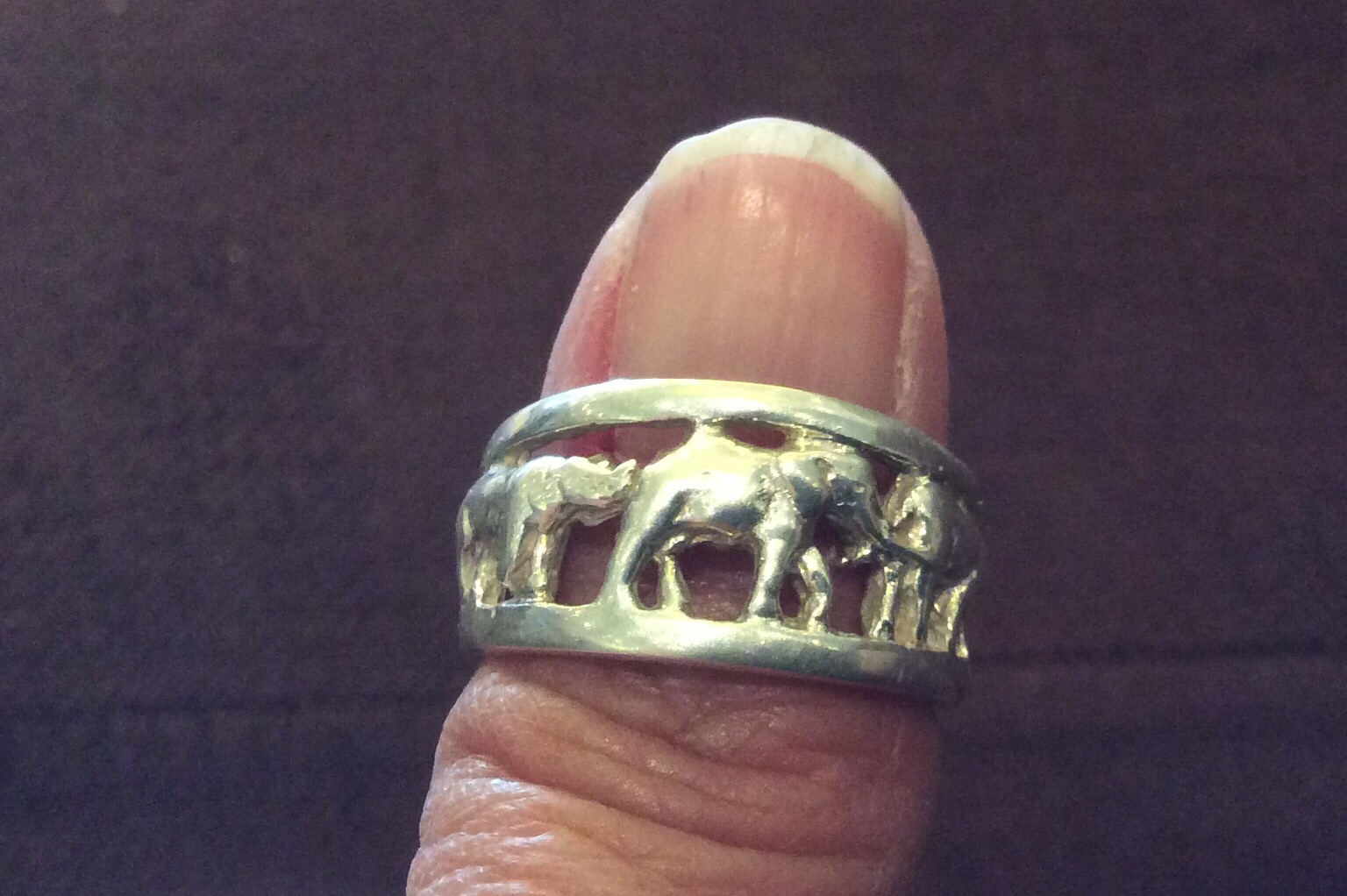
We wandered around the wharf area, stopping to listen to music, and doing a little shopping. I might have bought myself a ring with elephants engraved on it for myself for my birthday.
This bright clock tower was built in 1882 and it overlooks a swing pedestrian bridge that had to open while we were watching for a catamaran to enter the Albert Basin and then under another lift bridge and into the marina.

This statue is an ice cream cone upside down on a wedge of blue cheese! Nanci's kind of art.

We stopped for a bit of lunch and even tried and really enjoyed a local favourite that son-in-law Phil recommended, Savanna, a cider that is really tasty, without being too sweet. I expect there will be a few of these consumed over the course of the next 34 days.

After lunch we headed over to the Cape Wheel while the weather was good and the crowds were thin. It took us up 40 metres and was a great way to see around the whole area, with the beautiful back drop of Table Mountain on one side and the Atlantic on the other, with lots of interesting things to see in between. Part of the proceeds from the wheel go the Laureus Sport for Good Foundation, South Africa. The funds are use to support projects for youth, particularly those involving sport for those who could not otherwise afford to participate.


Next was a stop at Nobel Square where bronze statues stand of 4 Nobel laureates from South Africa; Nelson Mandela (1993), Archbishop Desmond Tutu (1984), former ANC President Albert Luthuli (1961), and FW de Klerk (1993).


Surprisingly enough we got hungry once again, and Nanci had picked up information on a South African cuisine restaurant at the Wharf area. We figure, when in Rome……. It was an excellent choice. We started out on the patio looking out over the luxury and working boats in the marina with Table Mountain and the Cape Wheel, now lighted, as a backdrop. But after it started to spit rain a little, we got moved closer to the building out of the rain. For an appie, we went wild and tried Ostrich Carpaccio. It was served sliced very thin and was a little like chicken. Just kidding, didn't taste like chicken at all. I had the fresh line fish of the day, whose name escapes me as it's something completely alien to me. It was described as being similar to Mahi and it was lovely. Nanci managed to save room to have her first ice cream of the trip for dessert. I expect there will be more of that to come.
j

We're now tucked back in to our hotel and looking forward to tomorrow as our adventures continue.

Uncategorized

Train station, Buses, and air planes 

So the downside of travelling to the other side of the world is travelling to the other side of the world.  The actual travelling part I mean. 
We’ve completed the easy first leg of our 24 hour journey having arrived at our boarding gate at Montreal airport. 
We’re travelling KLM and they have a bus service from Ottawa that picks up at the train station to transport us to Montreal. I know, all very counterintuitive. 

So far our trip has been uneventful and travel is always best when you can say that. 

Next stop Amsterdam, for a quick connection through to Cape Town. 

See you on the other side. 

Uncategorized

This time next week it will be the real thing……

My travel buddy Nanci and I booked our trip to Africa months ago and it seemed the departure date would never arrive. I have been to Mexico and had a few domestic trips in the meantime, but for this year at least, Africa is the one I've really been anticipating. Funny that now that it's only a week away the time is flying by.

This will be my first trip to the continent of Africa and preparing and packing for it has been a bit of a conundrum. When contemplating Africa, one usually only thinks hot and arid. But after spending the winter in the various deserts of the southern States during the winter of 2015/2016 I knew that nights might be cool in the deserts of Africa. Checking the average highs, lows and precipitation for the places we'll be travelling indicated that was the case. What I hadn't anticipated is that for our starting point of Cape Town, which is now experiencing winter, the weather will be less than ideal. So seems that we have to pack for a variety of scenarios, and given our luggage weight is limited, it will indeed be challenging.

I haven't had to pick up much in preparation for this trip but I did break down and buy a stupid-looking, but hopefully useful hat. I hate hats. The only ones I've worn before were a ball cap (and only when absolutely necessary) and a motorcycle helmet.

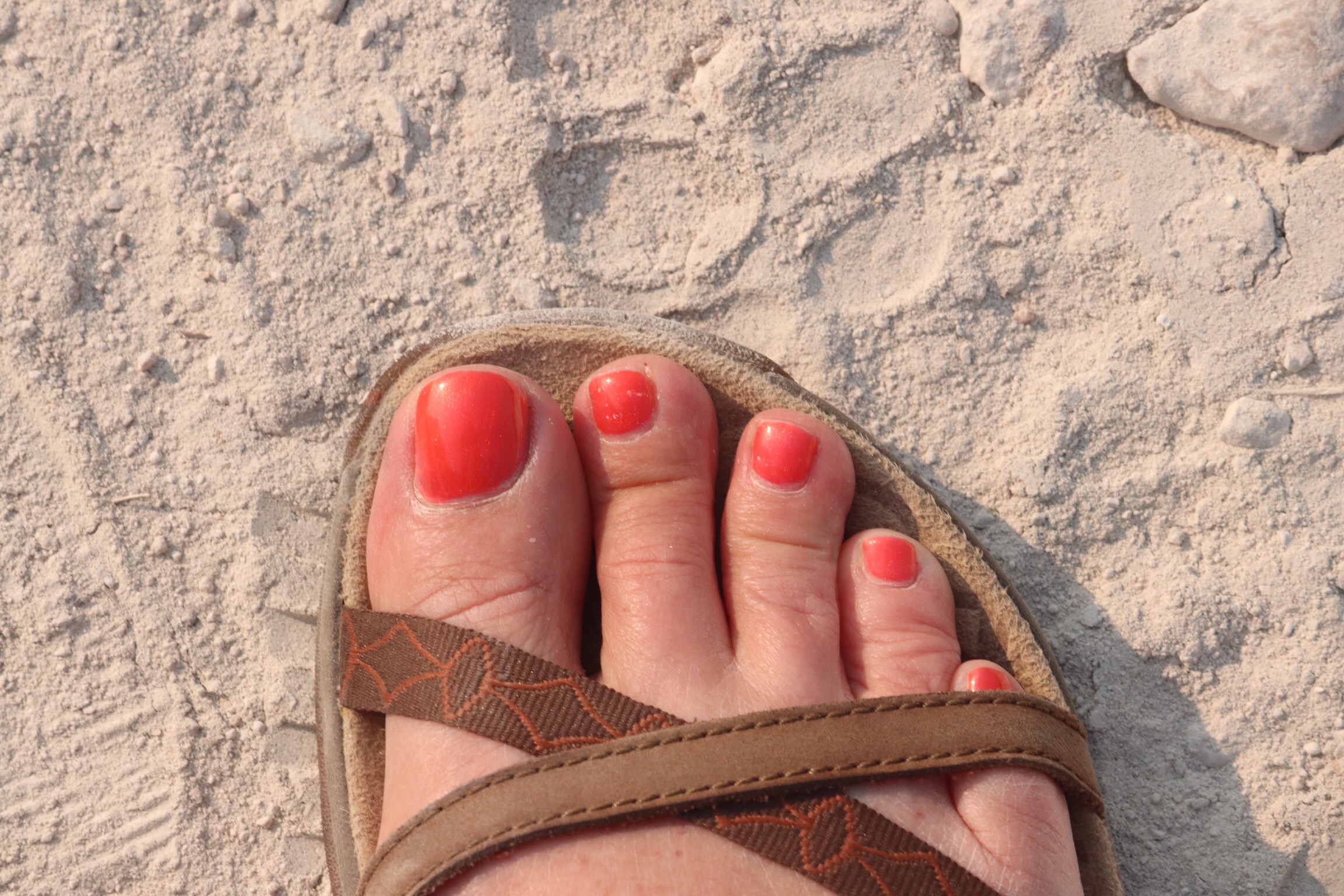
Aside from picking up a few wardrobe items, there are always things to do to prepare for a trip. I visited the travel clinic to make sure my vaccinations were up to date and to see about special medication for this part of the world. Part way through our trip we will be entering an area where more-than-just-pesky malaria mosquitos may be a problem, so we have our medication for that, and a just-in-case antibiotic for stomach problems. And there are the normal things like making sure all the bills are paid or prepaid, hair is cut, mail is looked after, and of course, my toe nails need to be spiffied up with an appropriate colour. Because you just know they're going to show up in a picture or two along the way.