2023 Caribbean Cruise

An uneventful travel day – the best kind.

Getting too cold. I’m blowing this popsicle stand!

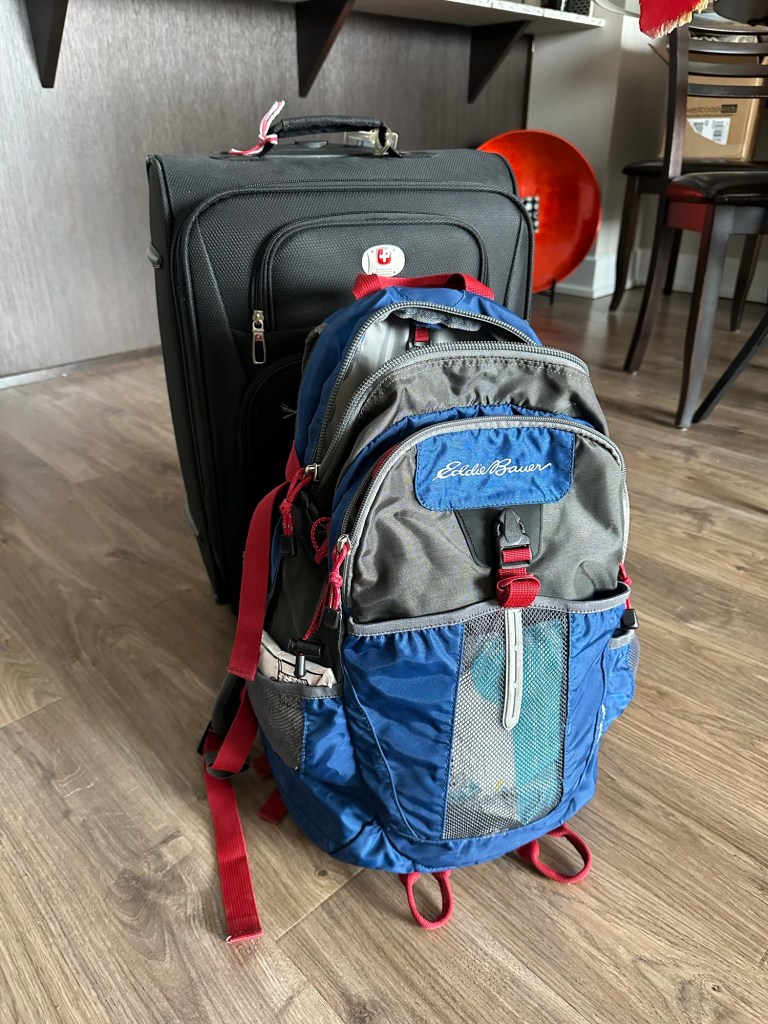
After all the nightmare scenario travel stories I’d seen over the holidays, I had been hoping for a calm weather day for travel, and seems like I got my wish. It was a bit nippy this morning when I left home, chauffeured by my kind SIL, Phyl, after a few flakes overnight but otherwise no drama.

I arrived at the airport at 9:00 am and by about 9:07 I had gone through US departures check in, baggage drop, security, Customs & Immigration, Timmy’s and was seated at my gate. So much for needing to be there 2 – 3 hours ahead of time.

My routing was through EWR – Newark, NJ, just across the Hudson River from NYC. As we were coming in for landing, I briefly saw the Statue of Liberty watching over the bay, but wasn’t in a position to get a picture. My grandson is obsessed with it having received a map with man made icons on it for Christmas. He’s also obsessed with the CN Tower and the Parliament Buildings, probably because he’s seen both of them.

The view of the NYC skyline from Newark

I was pleasantly surprised by EWR after hearing all the ribbing that it takes as a less than desirable airport. I arrived and left from Terminal C not the dreaded Terminal A, although I understand the new Terminal A is now open after long delays. It’s got lots of facilities, including a separate breast feeding room which I’ve never seen before (although to be fair I haven’t been looking!), and a plethora of iPad stations and work stations with lots of plugs. I chose the most expensive restaurant in the airport for lunch, no doubt, but it was a nice ambiance and while out of the sea of humanity, it was not too tucked away so still lots of air circulation. Can’t recall choosing my location based on that criteria before. It was a long day with several hours to wait in Newark before my flight to San Juan, but it passed fairly quickly and I was on to the next flight.

EWR – Newark Terminal C

The next leg was Newark to San Juan, Puerto Rico where on Saturday I will board the Star Pride. The flight was a little bumpy but I got my nose into my e-book copy of Spare and got 100 or so pages under my belt. I hated to feed the dragon, but given how much chatter there has been about it, I was curious. It’s actually been interesting to read about some of the details of Harry’s life from his perspective. I’m only in the early years so far.

There to greet me in the arrivals area when we landed was Hector from Rico Sun Tours with his “Lois Johnson” sign, such a relief to see at the end of a long day and at 1 in the morning in a city with which I’m not that familiar. And as exciting was finding my suitcase looping around the luggage carousel. I travelled to the downtown area with a couple of other Canadians from Toronto who will also be joining the cruise on Saturday. They are staying at a new Sheraton, which is part of the convention complex which looks gorgeous.

I, however, am staying at a boutique, funky place called Casablanca in the heart of Old San Juan. There is some construction going on and the driver had to back his mini bus up the street to get to the hotel for me. Adventure in travel. The hotel is not my usual standard of travel, but given the prices at the Sheraton I decided I’d rather spend the money on an excursion on the ship and I wanted to be in Old San Juan. And it’s only 2 nights so how bad could it be. I’ll let you know tomorrow after a night’s sleep here.

My room at the Casablanca Hotel
2023 Caribbean Cruise

Where next? The Caribbean!

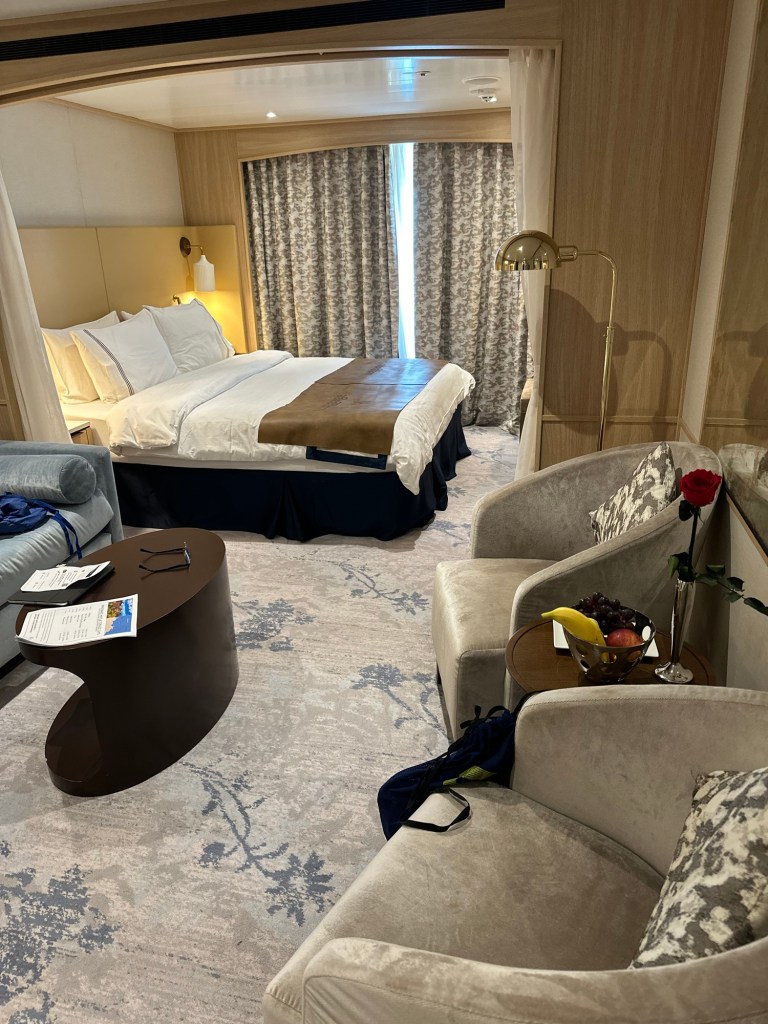
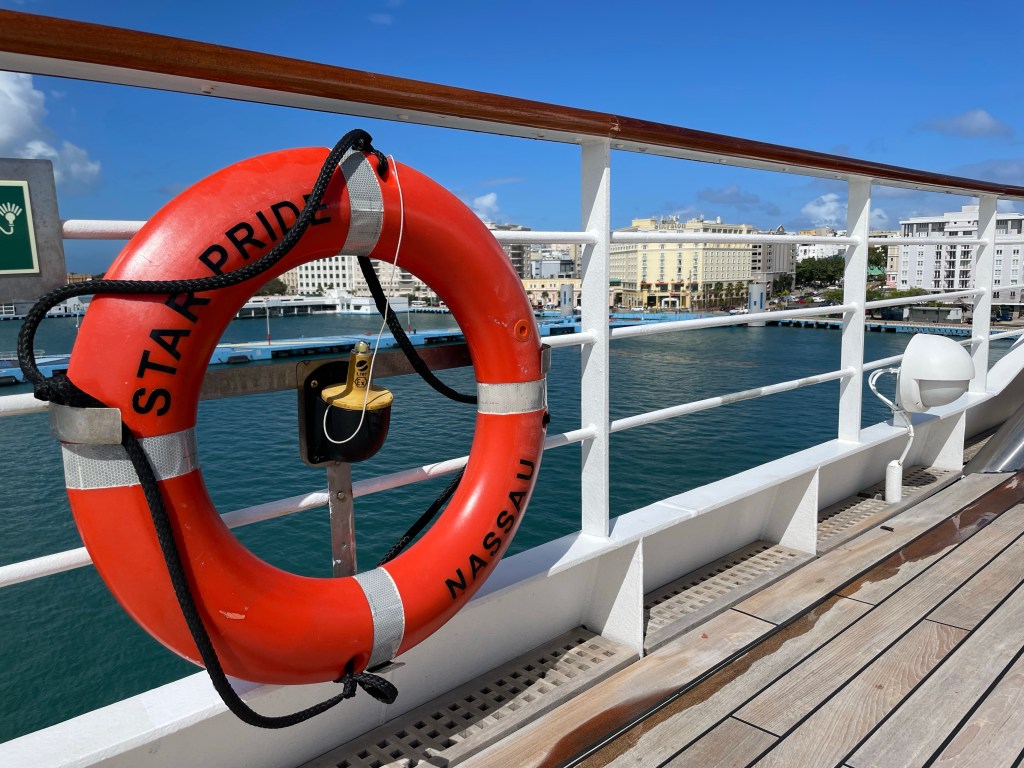
The Star Pride from Windstar Cruise Lines

After a hiatus during the pandemic, aside from one trip to BC in fall of 2021, I’m starting up my travels where I left off, on a cruise with the Windstar Cruise Lines. I start on the cruise next weekend, if flights, Covid, and the travel gods will allow. I’ll have two nights in Puerto Rico before embarking on my cruise, to hedge against weather and other delays and to hopefully allow for my luggage to come along on the trip.

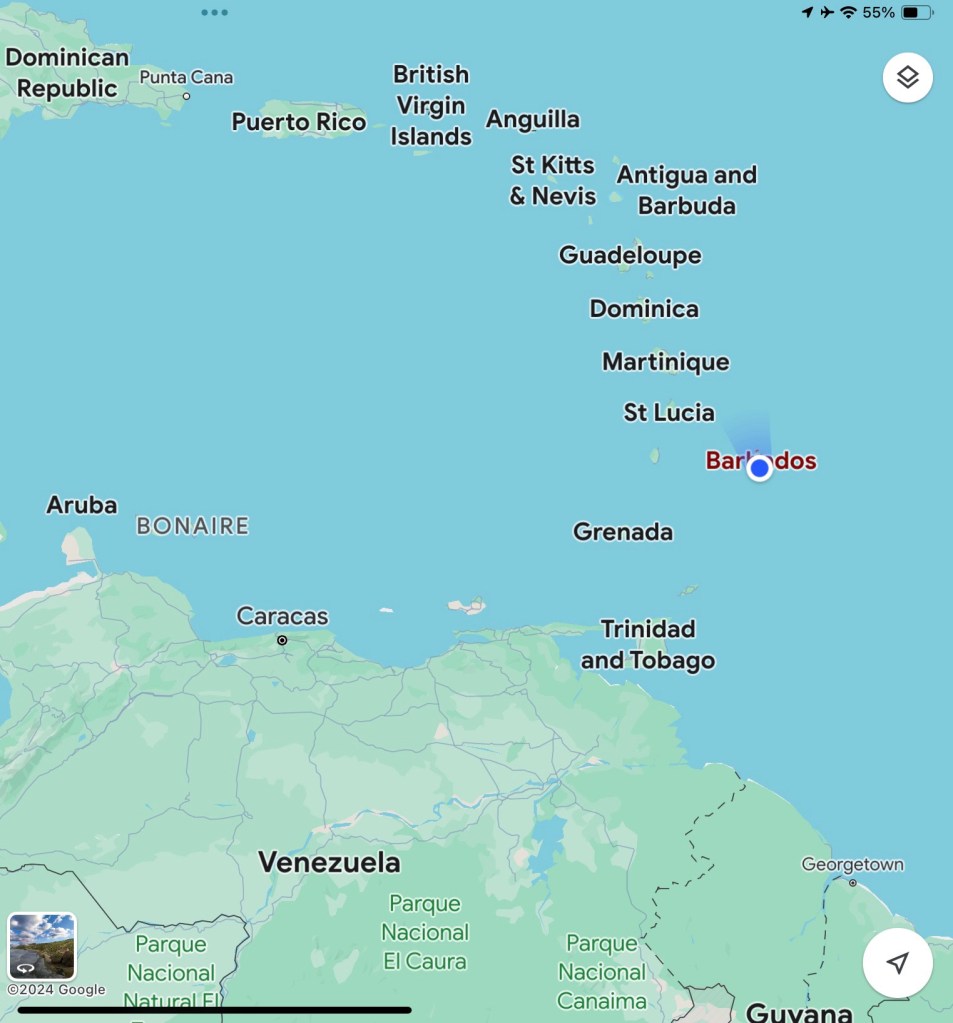
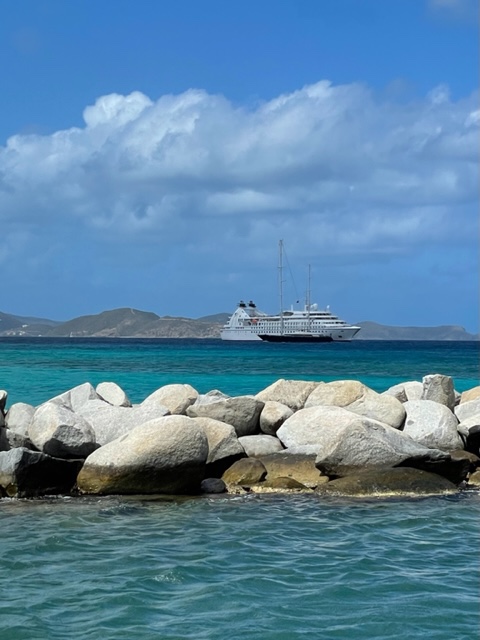
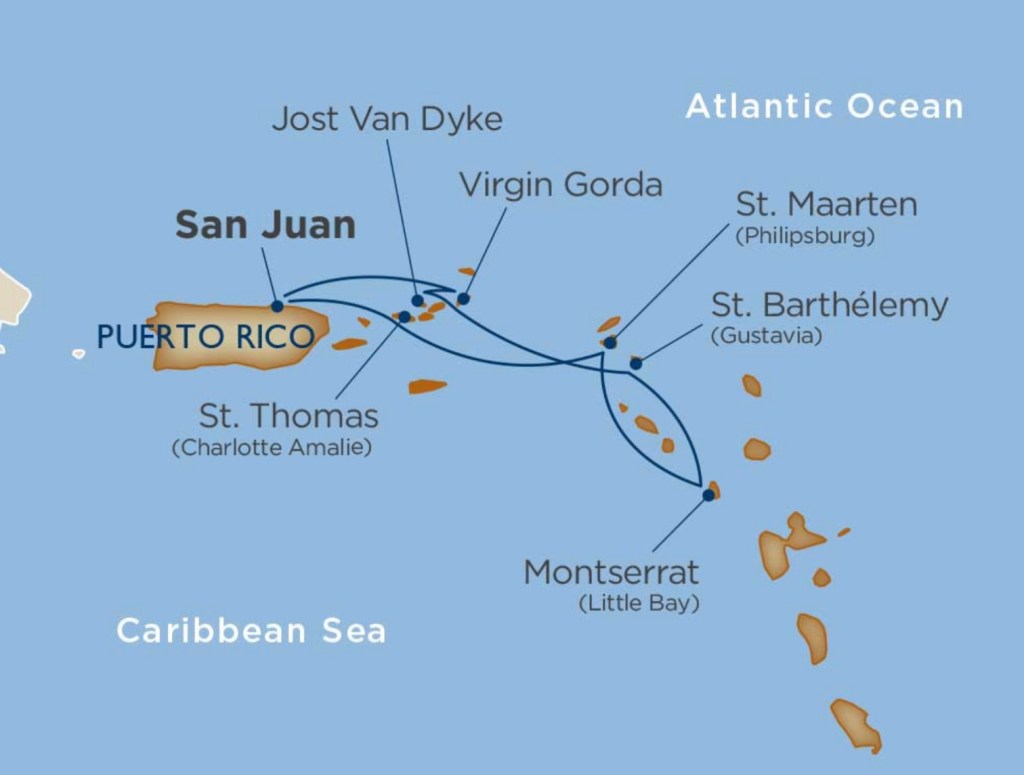
This time, I’m headed to the Caribbean for the 14 day Lovely Leeward itinerary. I was on one of the sailing ships last time, but this time I’ve chosen the newly renovated and expanded Star Pride. The Star Pride is a small enough ship that it can get into ports and make stops at islands which the larger cruise ships are not able. It has 156 cabins for a maximum of 312 guests.

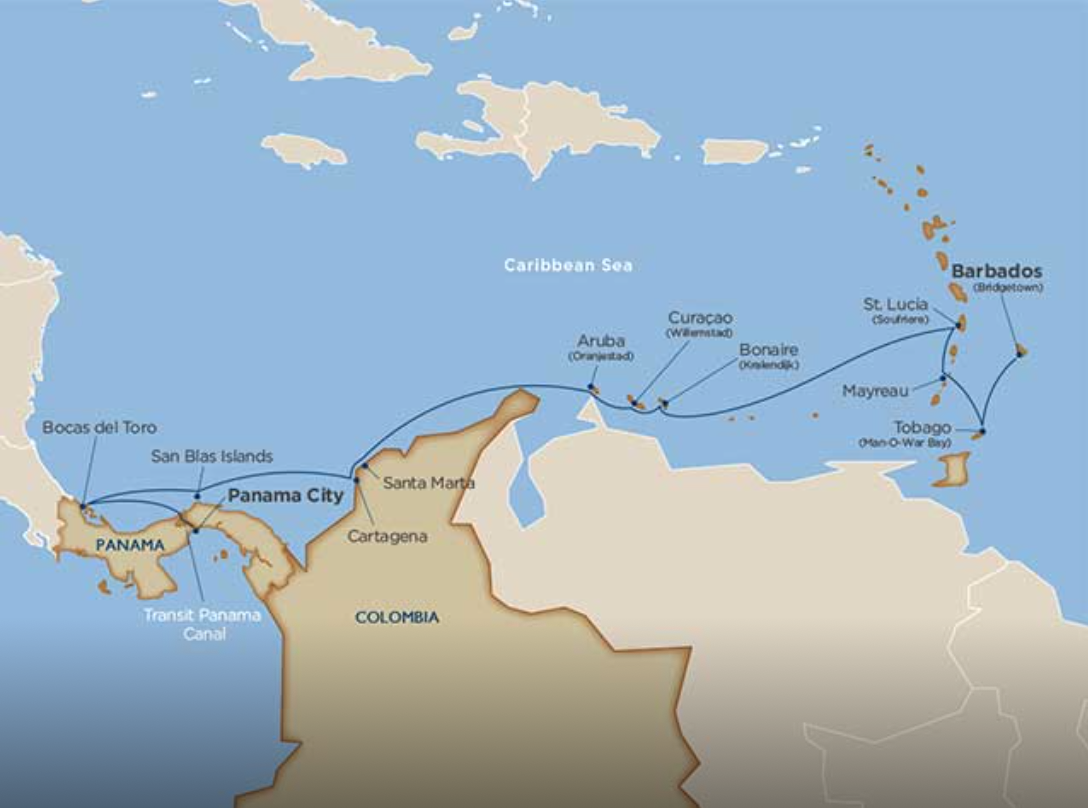
I have visited some of the islands which we will be visiting before but it was ages ago. Looking forward to some great snorkelling, exploring and sun and warmth. Below is the itinerary. It’s two 7 day cruises back to back thus the to and fro-ing. Buy hey, not complaining.

My 14 day itinerary

I have to admit to some nerves in anticipation of this trip, both because of the COVID threat, and also because it’s been so long since I’ve done all the logistics of travel. I started this year by testing positive for COVID on January 1st. Thankfully the vaccines did their job and I had only really mild cold symptoms which passed quickly. So with all my vaccines, boosters, and now the natural immunity from having the virus, I’m hoping that I can get through the increased exposure of travel healthfully.

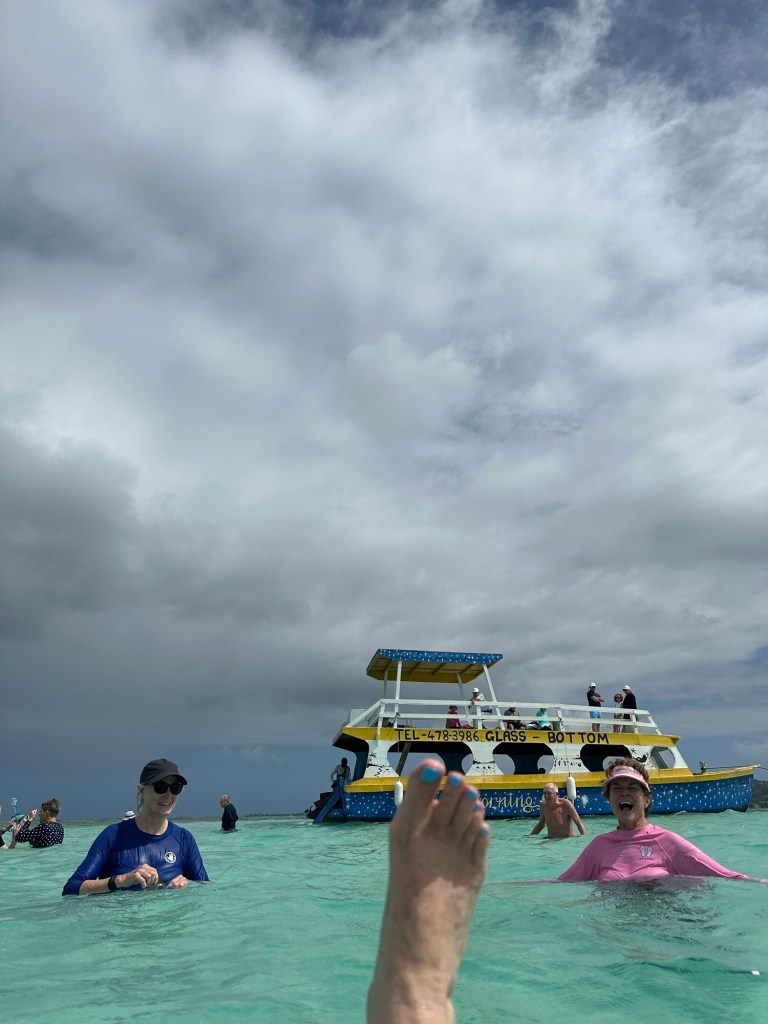
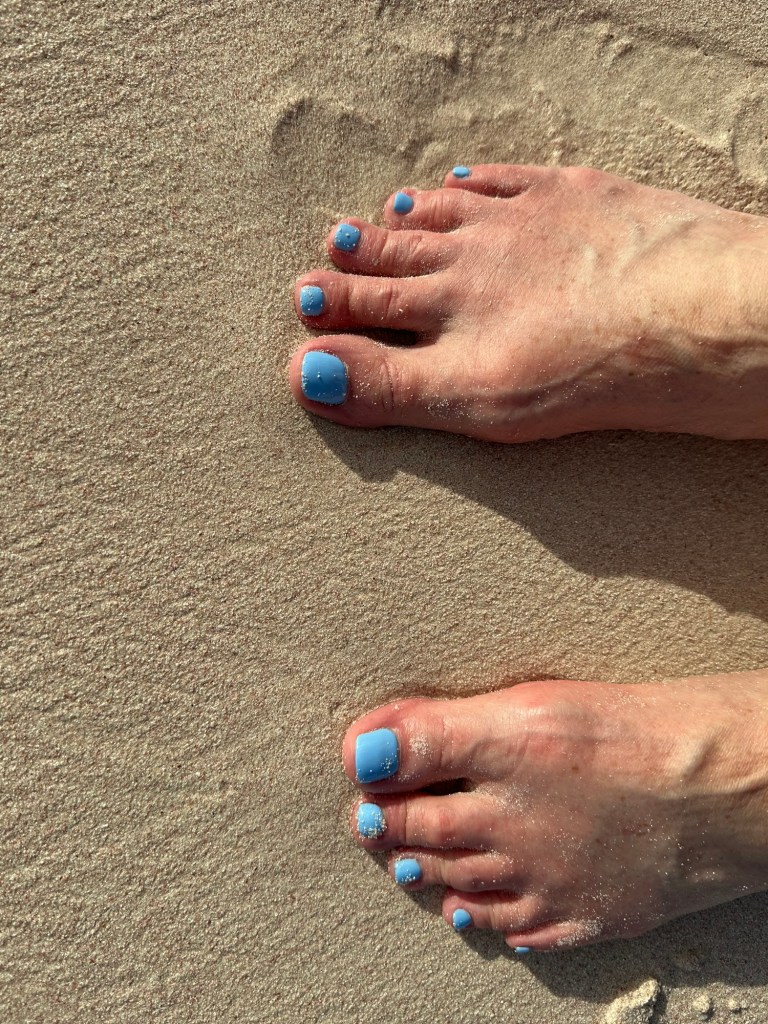
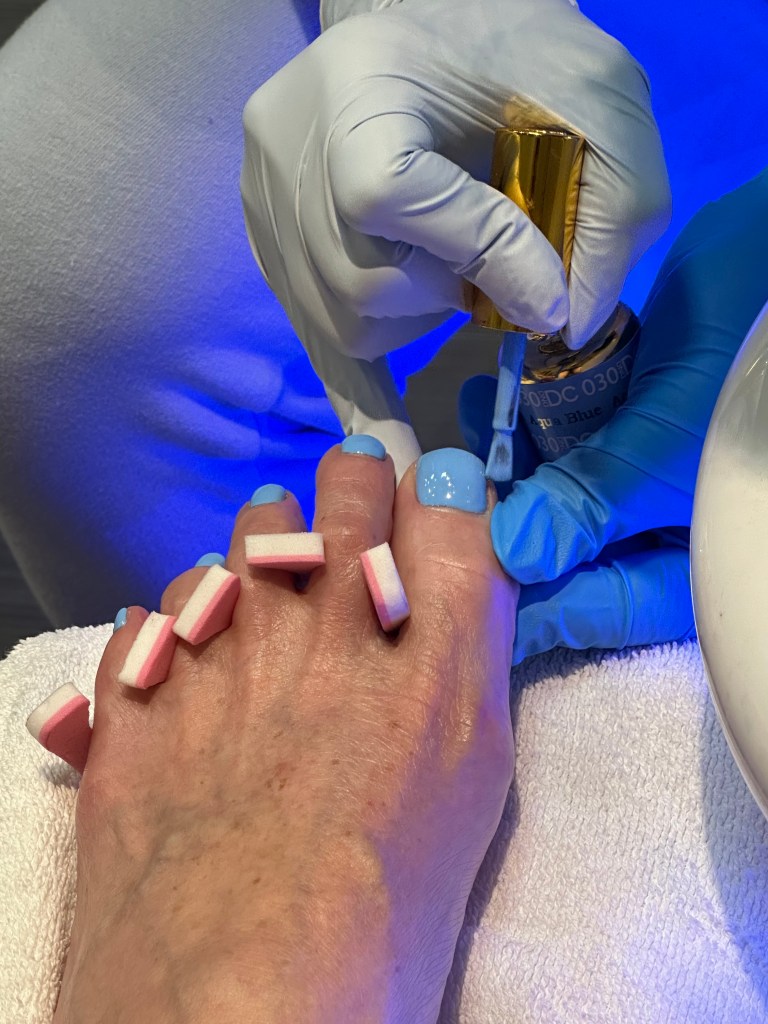
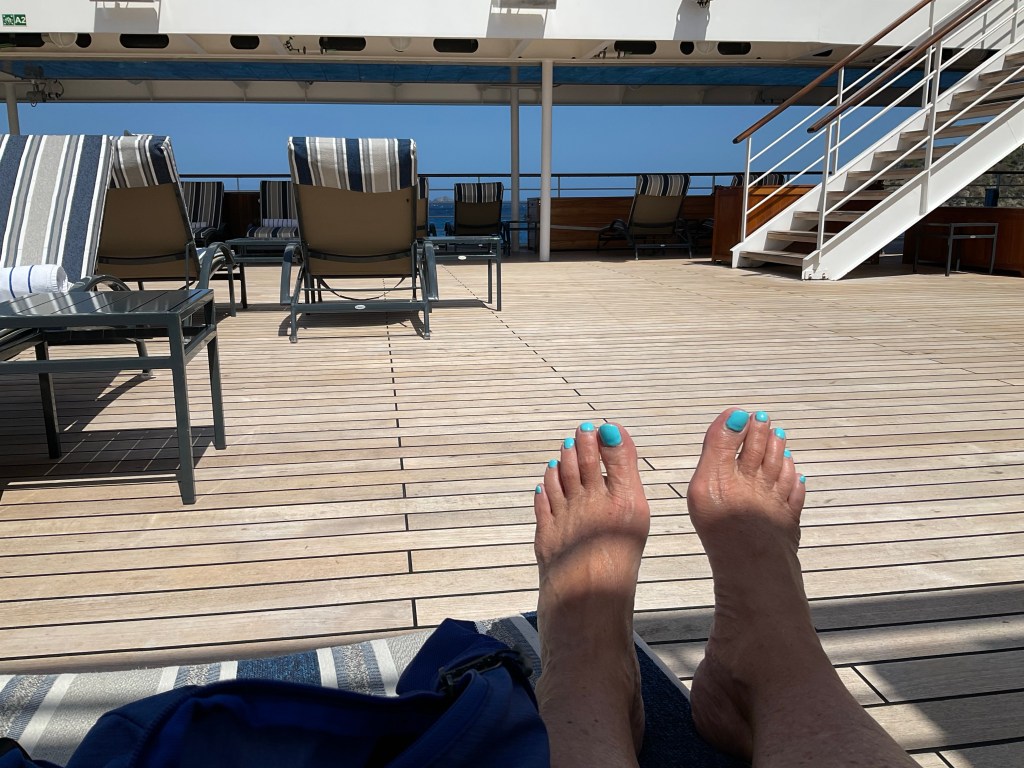
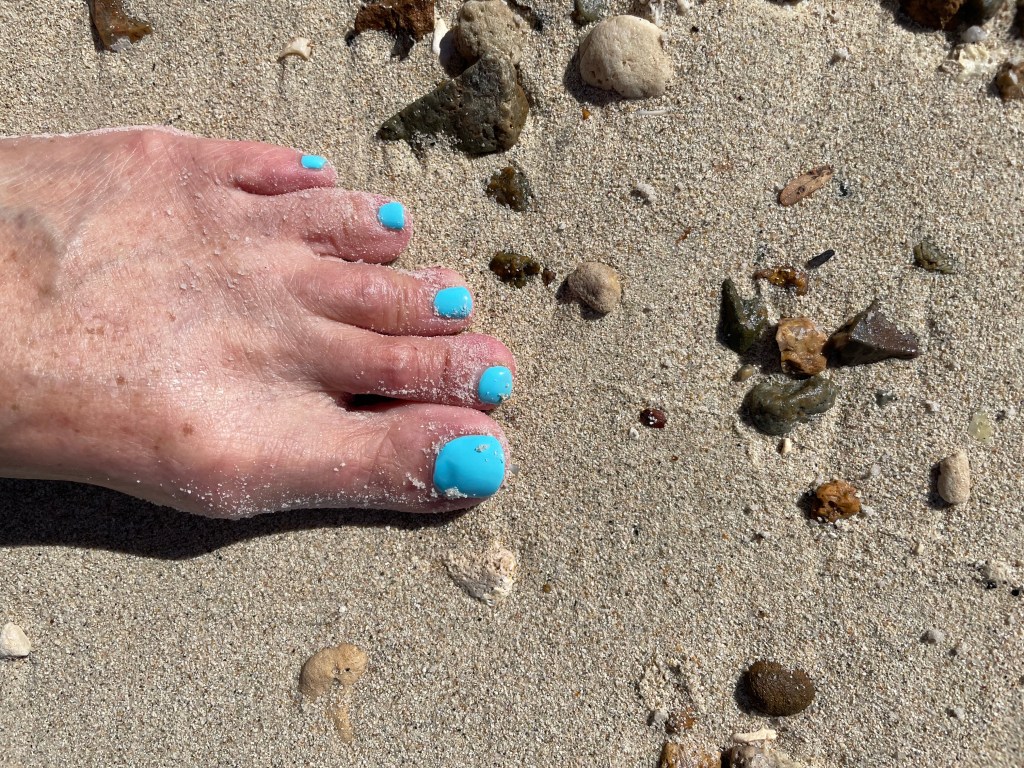
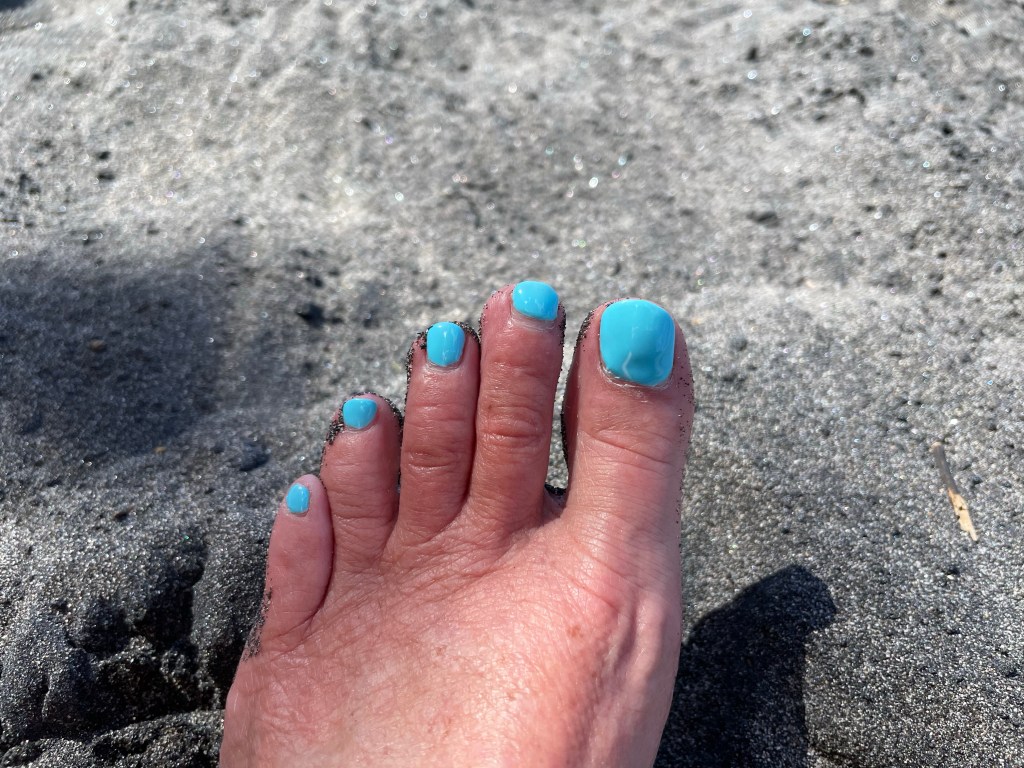
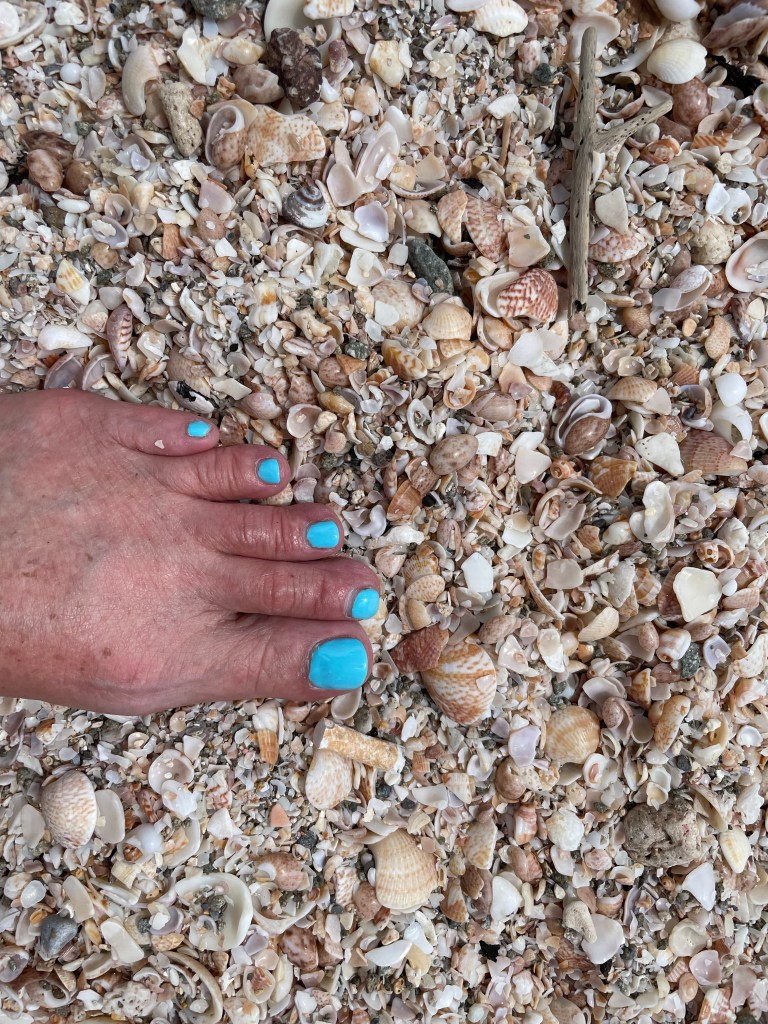
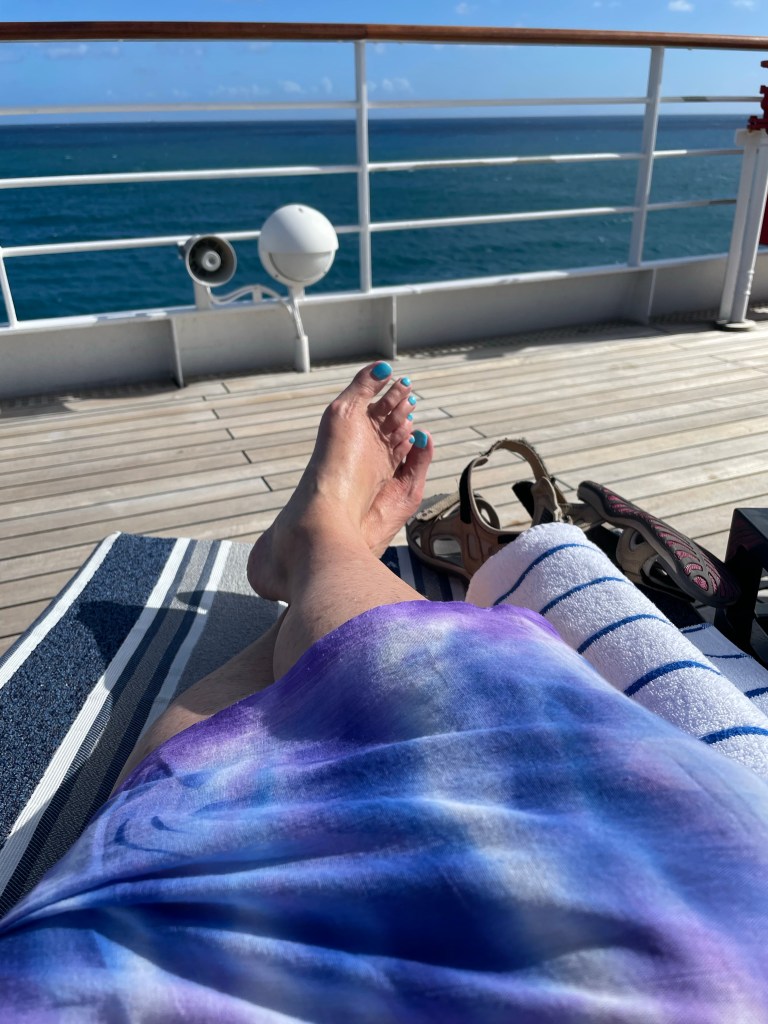
Those who know me will know that part of my pre-trip ritual is to get a pedicure and have my toes painted. This is just the first of what will no doubt be many pictures of them along this journey. So, come along on this journey with me.

2020 South Pacific

Be it ever so humble, there’s no place like home.

img_1637-1

“Wait, home already?”, you ask. First let me apologize for not having done an update in the last few days but I am indeed already home safe and sound. Events unfortunately did not continue as planned and as my last blog noted they would.  

I’ll go back to our “sail away” from Fiji’s “Garden Island” of Taveuni. The first couple of sail aways on the Wind Spirit were unfortunately washed out by rain so we really enjoyed the one we got to experience leaving Taveuni. It was late, well 10:00 pm-ish, so there weren’t that many of us on the upper deck but most of the senior officers were there to celebrate and there was lots of anticipation as the Vangelis music was played as the sails were unfurled. They are beautiful to see, and even more majestic when lit at night. One of my most pleasant memories of my time on Wind Spirit. After enjoying the sails, night air and a bit of star gazing we headed for our stateroom, as 10:30 was well past our normal bedtime. 

img_1877

The next morning we were really looking forward to a planned snorkelling outing on Fiji’s second largest island of Vanua Levu. Our last snorkelling trip on Tonga was cancelled when we weren’t allow to stop at Tonga due to concern by officials about COVID-19. I was up and out of my stateroom early, with my snorkel gear in tow, to be told by someone in the hallway that I didn’t need to take it along to breakfast since we hadn’t moved during the night. Turns out 30 minutes after our magnificent sail away and after I’d fallen asleep the night before, the engines packed it in and we had been only under sail power all night. We were only slightly deeper in the channel where we had moored while visiting Taveuni..

There are three engines on board. One is used for powering the operations of the ship such as lights and all electicity, kitchen appliances, air conditioning, etc. One other engine had been giving them trouble earlier in the day, and they had tried to reset it to get it working, but then it and the third engine quit working after it was fired up on our departure. The sails kept us from floating up on to the reef in the night, but there wasn’t enough wind to make any real progress, and so after some work on the engines, the ship was limped back in to safe moorage while work continued on the engines.   

img_9309

The engines were serviced just 4 months ago and so they flew in an engineer from the company that did the service. He missed one of his connections and so was delayed in getting to the ship. Rumours about the remainder of the cruise started to circulate and people were getting really upset about the lack of movement and information. Fortunately, the Captain called a meeting of all passengers and he described the situation, and the possible resolutions. The meeting was a tad testy, and an incredibly interesting study in human nature. Some took the news with a grain of salt, and some were furious. Wind Star has a lot of very loyal customers and many of them spoke up in support of decisions taken by the Captain and the company. There was a long Q&A, during which many topics were covered including someone worried about the supply of wine on board.

Assuming the mechanic arrived soon, Plan A was for us to limp in to the main shipping terminal at Suva on the main island of Viti Levu. It would take us at least 24 hours to get there and they’d then have to transport us from the terminal at Suva to the international airport at Badi on the other side of the island to get our flights. Likely a 3 hour bus trip. Plan B was to tender us to Taveuni and then ferry us to the big island where the international airport is located. 

Either way, it was announced we’d be missing 2 ports of call and 3 excursions in Fiji, one of the main reasons we chose this itinerary and ship in the first place. So needless to say, we were disappointed especially with the stop on Tonga having been cancelled as well. We will be compensated for half the cost of this cruise (they’ve offered us a credit on a future cruise but we’re pressing for a cash credit) but doesn’t account for the disappointment. 

But c’est la vie. Life goes on and first world problems, right? 

Well it turned out that we were on to plan C. We were told Wednesday evening at the second meeting that we would be tendered to Taveuni, and flown in small groups by small chartered plane to Nadi, Fiji. We were in the first group flown out on Thursday morning. So after saying some goodbyes Wednesday evening at dinner we quickly packed for an early morning departure. That started a very long trek home. 

Thursday morning we passed by our cabin crew, dining room servers and finally the Officers (including the Captain) standing on the gangway to say goodbye. We were tendered to the pier on Taveuni and then on to a minibus to travel about 20 minutes to the teeniest airport I’ve ever seen in a community called Matei. There were three offices in the small building: one a canteen and souvenir shop, one the office for the inter-island flights, and one for the charter company Wind Star was using to get us over to Nadi. One person did all the check in, issuing of tickets, weighing and moving of luggage, ticket taking, etc. She also weighed each of the passengers! Of course we all held our carry on luggage as we were weighed and blamed the weight on the gold bricks in our bag rather than the excellent food on the ship. 

Not surprisingly, I guess, the pilot and copilot were wearing masks and we were asked to also wear them while on the plane. Thank goodness it was only an hour long flight and the small 16 seater plane flew low over the islands so the views were great along the way. We arrived into the very small domestic terminal of the Nadi Airport and once again piled on to a bus to be transported to the Sofitel Fiji Resort and Spa in Nadi. Wind Star put us up for the night and we were given a credit on our ship board account to cover our meals. 

The Sofitel was a beautiful property and so it was a lovely place to spend almost two days. We arrived at noon, and so spent the afternoon at the large meandering pool, reading, doing cross words, chatting with the other passengers and walking on the beach. We had to check out of our room the next day at noon, but the hotel allowed us to use all the facilities, and to shower in the spa before leaving at 7 pm to head to the airport. 

We began our long trek home at 10 pm Friday, our time in Fiji, on a flight from Nadi, Fiji to Los Angeles. It was a good flight and we arrived into Los Angeles, went through all the hoops of customs and immigration, changing terminals, going through security, etc.  The departure of our flight to Toronto from Los Angeles was unfortunately delayed somewhat which put pressure on our already tight connection to the last flight from Toronto to Ottawa. 

With the other problems with this trip, it was somewhat fitting that it should end the way it did.  Once landed in Toronto, after pushing our way to the front of the plane and running through the corridors of Pearson, Air Canada had an agent greet us once were were out of the secure area to give us the tickets for a flight the next morning and our booking at an overnight hotel because they didn’t think we could make the final flight to Ottawa. But we asked if we could continue on to try and get on the flight. She sounded doubtful but said, “go for it”. 

We continued running full tilt through Pearson International Airport’s long hallways, through customs (where the new Nexus terminals took several attempts to read our Nexus cards and passports), through security (where they had trouble with the x-ray machine), up the elevator, to our gate to catch our Ottawa flight. We got there with only seconds to spare and where an Air Canada agent was not happy to have to change our tickets back to the late flight. While he did that I discovered I had left my phone, passport and Nexus card in the bin at security. Just as I was about to turn to run back to security, the most wonderful security guy arrived with the stuff for me after running it all to the gate for me. The kindness of a stranger when I needed it most. We made the flight, and got home at 2:30 am after being on the road for 30+ hours. 

It was not the anticipated end to our cruise, nor the best case scenario, but given the circumstances Wind Star did the best that they could do to keep us happy. They made timely decisions to make sure we were able to get our flights home and keep us as comfortable as possible in the meantime. Given the truncated cruise, we were especially glad we’d spent the extra time on Moorea before the beginning of the cruise so that at least we got to see lots of French Polynesia (Tahiti, Moorea, Bora Bora). And despite the issues, I really did enjoy the cruise. Being on a small ship had so many advantages over the larger ones I’ve been on. There were only 125 passengers (full is 148) and the 99 crew on Wind Spirit were amazing. Within a day or two, the servers knew my name and knew my preference for breakfast drink was tea, etc. Wind Star has an open bridge policy, so we were able to visit the bridge except when the ship was coming into or leaving port or a meeting was going on. The Officers, including the Captain, were very readily available for questions. The excursions were expensive but represented the ports really well and sticking with those organized by the company was safe and meant they were going to wait for us if they were late. On board activities were limited given the smallness of the ship, but I was never bored and didn’t miss the big shows that the larger ships present. I always found a nice place to spend my time on deck, either in the sun or in the shade of the boom. They had daily yoga and pilates classes, a lounge duo that were terrific, and almost daily  talks with a speaker familiar with the islands we were visiting.  There was a scavenger hunt that went for 8 days and we did some of the challenges which were fun. It was great to unpack once and move from port to port instead of the usual land tours we take that require us to live from our suitcases and move pretty much daily.

So, yes, I’d do a small ship voyage again. And I might try and stop in Fiji again on a stop over on a trip to New Zealand or Australia down the road to see some of what we missed on this trip. 

As always, thanks for coming along on the journey with me. I do have an exciting trip planned for the fall, but for now I’ll leave you guessing about that. (A hint is that the countries start with G and A). 

2020 South Pacific

The Garden Island of Fiji- Taveuni

Tuesday, February 18

Great news this morning. Fijian officials have allowed the ship to be cleared for us to disembark for our excursions today. They did have their personal at the top of the gangway to ask us our port of entry before joining the ship and they took each person’s temperature. And their officials are staying on the ship for the duration of our time in Fiji. But that’s fine as long as they let us leave in a couple of days.

There are 332 islands in the Fiji group, with 110 of them inhabited and our stop today is on the third largest of the islands, Taveuni. It is called the Garden Island of Fiji and since we’ve been here, it’s feel kind of like living in a terrarium – hot and steamy. As a result it is unbelievably green, and it looks like you could drop a seed and it would be growing by dinner time. The national flower of Fiji, the tagimaucia, grows here, however, it’s not blossom time so we saw only pictures of its beauty.

Not surprisingly, the main industry here is agriculture with 12,000 of the total 915,300 population calling this island home. The fertile soil and climate allow crops of cotton, sugar, pineapple, bananas and copra to grow well. Copra, which historically was the most important crop is no longer grown commercially and the move is to cava, taro, vanilla and coffee.

After breakfast the tender took us to the pier where we were picked up by mini buses to take us on our selected excursion to Bouma Falls. We got to see some of the small island on our way to the falls including the thriving megalopolis of Naqara. There was actually a sign indicating you were entering a densely populated area but it was really no more than a village.

At Bouma, there are three falls you can visit in this national park and we chose to just do the 10 in walk to the lowest of the three, as the two further upriver were 40 minutes to the first and another 40 minutes to the second and they were both a challenging hike with paths that were wet with mud and fairly vertical. And we just didn’t have much time.

From the check-in location for the park we followed a beautiful walkway edged with beautiful plants that we struggle to grow in Canada as house plants but which grow almost to Jurassic Park proportions here. The signs were accurate and 10 minutes later we found ourselves at the main lower pool.

After taking a few pictures I grabbed my Go Pro and in I went to be thrilled by the refreshing dip. It was a little cool, but felt great and I soon got used to the temperature. The pool got deep really fast, and the pull from the water coming over the falls and in to the pool was really strong. I carefully swam around to the back of the falls using rocks on the side and back of the pool to rest and catch my breath. Sitting on the shelf at the back of the water fall gave me such a unique perspective. There was so much water coming down in a concentrated area, I was afraid to go through the falls in the middle for fear of being dragged under, but I did swim under the edge where there wasn’t too much water hitting the pool. It was exhilarating. (Read terrifying). I felt a little like I was in a Tarzan movie.

After more pictures and letting ourselves dry off a bit we took a leisurely stroll back to the waiting area. So glad I made the decision not to try to get to the next pool. Those that did complained about it being really slippery on the way up the quite steep path, and they couldn’t get in to the second pool because the rocks around it were slippery and they didn’t have time to stop for a swim in the first pool.
On our way back to the pier in the van, we stopped at a signpost indicating the International Date Line. Although the arbitrary drawing of the date line for pragmatic administrative/commercial purposes zig zags around various islands, the actual meridian that is exactly half way around the world from Greenwich Mean Time, goes through the middle of Taveuni. The local Rotary Club built a cute little photo op spot which almost everyone on our ship took advantage of visiting.

After we got back to the boat we signed up for a sailing safari, which was an opportunity to get pictures of the ship with the sails up. When we are off the ship they are usually down, and if if we did see the sails up any other time, we’d have missed the ship sailed and would be in a pickle. The fellow responsible for all sporting activity, Dain, took us out in the Wind Cat and went around the ship allowing us to take as many pictures as we wanted to get the perfect shot. Of course the sun and clouds has something to say about that as well, and the bouncing of the boat meant that many of my pics weren’t on the horizontal.

We are setting sails for our next island this evening at 10 pm and it will be fun to be up on deck for Sail Away at night with the lights on the unfurling sails with Vangelis in the background.

Uncategorized

Land Ho – Fiji lies ahead

Monday, Feb 17

After 5 days at sea, I have to say I’m very glad to see land once more today. Our last 4 stops are all in Fiji, on three different islands. While excited to be stepping on to land again, it is sad in that it means our fabulous trip to an amazing part of the world is soon coming to an end. We depart from Nadi, Fiji for home in just a few days.

While at sea, aside from the first rainy and grey day, it’s been glorious weather, with pretty consistent temperatures of 30 degrees. We’ve settled into a nice routine on the ship. It’s been a combination of some sun time, lots of shade time, reading and doing crosswords, some chat time, some lecture time, and of course lots of eating time. I’ve found my favourite spot on the ship, on the flying bridge under the boom of the aft sail. The boom provides some shade, but sways as the wind changes sending some of the warm South Pacific sun my way.

Yesterday afternoon, I managed to have the patience to figure out how to take my Go Pro pics off the go pro and get them into my photos app, so I can post them. I haven’t yet been able to get the videos off because of the different formats and file sizes. I’ll have to work on that when I get home.

Yesterday there were a couple of unique experiences. Every evening for dinner, the great dining room crew set up the tables on the pool deck for dinner under the stars with style. There are white table clothes, candles, the usual excellent service and all the food on a separate menu is grilled on the barbecue on deck. There are not many tables, so we allowed to make reservations up there only once during our time on the ship. Last night was our turn. We lucked out with a lovely evening, and although they put the tables under cover in case of rain, we saw lots of stars as it got totally dark.

And after our dinner it was the Staff Talent Show. And my goodness are they talented, and although not all gifted with a good voice or graceful moves, there were a couple of hilarious sketches. Our very first server in the dining room (and the barista in the Yacht Club coffee shop), Russ, was the MC and he brought lots of energy and some good jokes to the role. Our cabin steward, Dedi, was also in the line up although we didn’t immediately recognize him given his get up. He didn’t have a great voice but got lots of great audience participation. The Indonesian crew did some traditional Indonesian dances which were really interesting. All intricate, synchronized movements. The last act was a male synchronized swimming sketch that was hilarious. They had blue tarps around the dance floor, with lounge chair cushions on the floor and they did various formations that we could see above the tarp. It was a fun evening with lots of audience participation.

This morning, our in-house academic, Dr Kess, spoke about various famous people whose lives touched or were touched by the South Pacific. Some are easily identified with this part of the world, such as Herman Melville (who wrote Moby Dick), Robert Lewis Stevenson ( wrote Treasure Island, Kidnapped), Amelia Earhart, and Paul Gauguin who painted boldly coloured portraits of the Polynesians. He is buried in The Marquesas Island of French Polynesia and a cruise line in his name now tours these waters. Others who you might not associate with the South Pacific such as Jack London (Goldrush author of Call of the Wild and White Fang), Lt John F Kennedy (Captain of the PT-109 that went down in the South Pacific), Margaret Mead, Marlon Brando (whose family owns a hotel on an atoll in French Polynesia) and James Michener (who includes the books of Hawaii, and South Pacific among his approximately 50 works) all have an association with the area as well.

We will arrive at the Fijian island of Taveuni, (one of the 110 inhabited islands of the total 332 islands of Fiji) sometime around 2 pm this afternoon. We have filled out the paperwork and will meet with Fijian officials in our ship’s dining room just after we drop anchor. After that is complete, the ship will be cleared for disembarkation on Taveuni and we’ll also be pre-cleared to exit Fiji when we leave for LA.

The population of Fiji is 915,300 with 12,000 of them on the 3rd largest island of Taveuni. Taveuni’s economy is primarily based on agriculture with it’s fertile volcanic soil, and historically the crops have been cotton, sugar, copra, pineapple, bananas. Currently, Copra is the most important one and they are shifting to taro, cava, vanilla and coffee. Tourism is the secondary industry, with small independent hotels sprinkles around the island. One unique thing to Taveuni is the national flower, Tagimaucia, is found almost exclusively here. Unfortunately we won’t see it, because it’s not in bloom right now. Another rare thing on Taveuni is that there is a a spot where you can straddle the International Date Line as it passes through the island. Most of the imaginary line passes through open waters, not land because as you might expect it could be rather confusing.

Our word for the day is Bula, which in Fijian means Hello, or “wishing you life”.

We won’t likely get off the ship today as the landing site for the tenders is remote. We will however, get off tomorrow morning for a trip to the Bouma Falls National Park to hike to at least one waterfall.

Tonight dinner for all guests will be a Barbecue on the pool deck, and we’re promised lobster tails among other treats, and then line dancing lessons afterward. We’ll see about that. I’m off now to find a lounge in the shade to have a nap. Gotta love vacations.

Uncategorized

Another day, another paradise island – Raratonga, Cook Islands

Sunday, February 9 & Monday, February 10

Yesterday was a sea day and relatively uneventful so I didn’t blog. I did get up in time to do yoga on the flying bridge of the ship at 7 a.m. with the sun coming up. If you do yoga, think about that for a minute. I don’t know about you but I have enough trouble holding poses with a solid floor under my yoga mat. Doing it on a rolling ship created all sorts of new challenges. I figure if I lived on a ship my core would be like cement. And I did attend a lecture about the migration of peoples in this region in the continuing series by Dr. Kess. (Although I have to admit to nodding off a couple of times).

Other than that, I spent my time eating, napping, reading, and generally being lazy. The weather couldn’t have been more perfect. I sat in the sun for only about an hour and then sought out shade for the rest of the day. I found a quiet place on the flying bridge where there was shade from the sails and gentle breezes. It was delightful.

We arrived on the north side of Rarotonga as planned this morning. Not planned were the large swells that meant tendering in to the main pier from this position off the north shore was not going to be possible. Two larger cruise ships that were supposed to disembark on Rarotonga had already made the decision to leave and skip the island all together. Our captain however, wasn’t will to give up on our Raratonga experience and he had a Plan B.

But let me start with a little about Raratonga. It is the largest island of the 15 making up the Cook Islands group and the capital is in the town of Avarua. Their flag has a blue background with the flag of New Zealand and 15 stars representing the 15 islands. Cook Islands is self governing, with a British style parliament on Raratonga where MPs represent each of the islands in numbers commensurate with the population. It is in a “free association” with New Zealand and the residents of Raratonga carry New Zealand passports. The population of the Cook Islands is 18,500 and 14,000 of them live on Raratonga.
Cook only briefly stepped foot on the Cook Islands long after they had been settled by Polynesians from Tahiti but the islands were named after him in any case. They first European explorer to visit them was thought to have been in 1873 by Captain John Dibbs who was exploring around New Zealand and Society Islands.

Today, tourism is the main economic driver of Raratonga, with visitors numbering approximately 160,000 annually. By comparison, French Polynesian sees 260,000 visitors a year, and Hawaii sees that many in a single day. There are 2 international flights a day and many more local flights taking people to and from the other islands. There are many small villas and hotels as well as AirBnbs on the island but none of the major chains has a property here. Many of the families on the island had built large The secondary industry is the export of tropical and citrus fruits. It is also the second largest producer of black pearls after French Polynesia.

So, now back to the Captain’s plan B. There was a landing spot on the west of the island, that would allow the much smaller zodiac type boats to land. But they had to get through a very small opening in the coral reef and it was quite shallow. So they repositioned the ship, waiting for high tide at 10 am and sent off a recon boat to check it out. All the while the most curious of the travellers were on the bow of the ship watching the comings and goings. Finally we got the signal that the zodiacs were a go, and they would be starting to take 8 passengers at a time.

It took a while to get everyone off the ship, but 3 hours later than scheduled we arrived on the island, to the music of the island and lei greetings. Within minutes everyone started off on our various tours. I had chosen a 4X4 tour of the island, that did both on-road and off-roading around the island. It was similar to the tour I took in Moorea.

The main road, which is at sea level and circles the island, is 32 km around. There is bus service on the island, one red one going in one direction and one blue one going in the other direction on the main road. We met our two guides, Useless (his name tag actually said that), and Chocolate, and the two trucks started off to circumnavigate the island primarily on the secondary side roads of the island as well as some parts that were off-road.

We headed off the main road on to a road a little further up the hillside, passing fields and small very neat homes. The driver explained that the health department of the government comes out periodically to make sure that people have kept their yards tidy and grass mowed. It’s not for aesthetic reasons, but rather to keep the mosquito population down. Like the other islands we’ve visited, there was no rubbish or litter on the side of the roads. Most of the yards are planted with bountiful shrubs and trees that in Canada we try desperately to keep alive as houseplants.

Along the way, Chocolate gave us some information about how the islanders live and some history. And Useless gave us talks when we got to any of the stops.

On Raratonga, land is owned exclusively by the people who have inherited it from their ancestors. As families grow, the land is divided to make way for the next generation to build their homes. The family of a couple that marries will meet to decide what plot of land the new couple will get from the family land, and if the male’s family have nothing that is appropriate for building (lots of hills) then they will go to the wife’s family to ask for land from them. They claim there is no homelessness on the island as a result.

Chocolate stopped several times to show us various crops growing, (tapioca, taro, pineapple, mangos) flowers, and some great view points. Our first stop was at a beautiful white sand beach where there were three couples enjoying the warm water on a long stretch of beach that was otherwise deserted. It was calm inside the barrier reef which was quite near the island and small fish skirted about as we waded in the water.

The next stop was “The Famous Polynesian Traditional Vara Voyage Departing Site” which Useless explained to us. In 1300 35 local people departed by a double hulled canoe to start an exploratory voyage that lasted them 9 months. They didn’t have any destination in mind, but they ended up in New Zealand. They know the voyage took at least 9 months because one of the women got pregnant along the way and the child was not born until they arrived. The rocks represented gods that they had prayed to.

We saw the remains of a road that had been built by the earlier people as well as the remains of a house that was built for one of the chiefs of the 4 tribes that were living inland when the missionaries came to Raratonga. They encouraged the first people to move down to be near the ocean to attend the schools that they provided for them. There is still a Seventh Day Adventist school on the island.

Then we head for the off-road portion of our trip, and up a slope to a look out point to get a good look at “The Needle”. There was a gravelly and grassy road up, that required the Jeep to be in 4 wheel drive and which practically shook the fillings out of my teeth. But it was only for a few minutes so tolerable. It was cloudy but we did see The Needle at the peak of Te Rua Manga at 650 metres.

By now we were 3/4 of the way around the island and we came upon the major town of Avarua. Chocolate was telling us that every August, there are dance competitions that each of the Cook Island participates in and there are 7 teams from Rarotonga. I asked him if it was folk dancing and he guffawed. I didn’t think it was that funny but turns out he thought I said pole dancing, which of course really was funny. It was folk or traditional dancing, complete with costumes.

It was a small town with lots of tourist facilities such as hotels, and restaurants, dive shops etc. There are no stop lights but there are a couple of roundabouts.

In no time we were back at the pier on the west side and we caught what was almost the last zodiac back to the ship. It was a great tour. So great to see so much of the island and learn a little about how they live.

We had missed lunch by now, and so we ordered room service. When it became obvious that although everyone was back on board (we knew the zodiacs had been stowed), there was an announcement that the winch to raise the anchor had broken and the crackerjack engineering crew were working on getting it working again. It amounted to a 2 hour delay, but really didn’t affect our day at all. It was another terrific day in paradise.

Uncategorized

The Wind Spirit

Saturday, Feb 8th

Today we were at sea for the whole day and we will be all of tomorrow, arriving into Rarotonga, Cook Islands on Monday morning at 6 a.m.

There is no where I have to be today so I was able to kick back and relax and enjoy the beautiful Wind Spirit. Well, except I didn’t want to miss the napkin folding demonstration. No, actually, I took a pass on that. We were fortunate to have a picture perfect day, having left the grey skies behind, replaced with blue.

I did attend a lecture that I described in yesterday’s blog after an hour or so in the sun at the pool deck. It was quite interesting and good to put my brain to work at least a little. Then it was lunch, and a free afternoon when I worked on yesterday’s blog and picked up a book and got started on it. A nap in the shade was the highlight of the afternoon.

This evening was the Captain’s reception and the introduction of the officers of the ship. The Bulgarian Captain struggles a little with English but his enthusiasm more than makes up for it. He spoke for a little bit and then introduced the rest of the officers, all in their white uniforms they all looked quite dashing. There are 15 different nationalities among the staff, so it’s quite the international crew.

Since there wasn’t a lot going on to write about today, I thought I’d give you a run down on some info on the Wind Spirit.

Nothing like being on the ocean and in the fresh air to work up an appetite. So, let’s start with our food options. First of all, let me say that all the food has been excellent. 1000% better than other cruises I’ve been on. (Except Galapagos which was just 14 people). And the services has been exemplary. Attentive without being invasive. At breakfast and lunch they have both buffet and menu items and we can eat either inside or on the outside deck. There is also a little coffee shop on Deck 3 that has fancy coffees, tea, juice and some basic breakfast items that opens up earlier than the full breakfast on the top deck. And dinner is held in the lovely dining room complete with Murano Glass chandeliers, as well as at “Candles” on the pool deck with candles and all. The dining room has open seating and you can chose to sit with a group or by yourself, and you can show up any time between 7 – 9 to be seated. The Candles restaurant is all grilled food and you have to make reservations there, because of it’s small number of tables, but there is no additional cost.

And I’ve finally come across the perfect teapot! It doesn’t drip and having the handle where it is makes it much easier to pour.

The Wind Spirit was built in Le Havre France in 1988 and is the oldest ship of the Wind Star fleet. Although it’s been refit fairly recently and is not that tired, someone was telling me that it’s headed for dry dock soon to be completely done over. She is a four masted schooner (the masts are 62 metres high) and has 6 jib-stay sails. There are also 3 diesel motors. She is 134 metres long and a beam width of 15.8 metres, and has a draft of only 4 metres because of its flat bottom. I was surprised with all the sail on top to find out that it doesn’t have a keel. She is 5,736 gross tons, but that stat really means nothing to me.

The captain said today in his rambling announcements that the sails can add up to 25% to the overall speed when the wind is right, and today it was right. The sails were full all day. The ships speed is 11 knots with engines only and can get as high as 15.8 knots with engines and wind. The sails also have the added benefit of providing shade to some of the decks below so it’s not hard to get out of the sun when you want to.

The ship will accommodate 148 guests but on this leg of the voyage, there are only 139, with 99 crew members to look after us all.

My cabin is on Deck 1, and is right at the water line. The cabin has 2 portholes and at times the waves hit and cover the window. It sloshes as it does.

It has been fairly calm so far and the seas relatively flat. But there is always a bit of rocking so we’re still staggering and lurching from time to time.

As I said, tomorrow will be another relaxing day at sea, so I anticipate getting some reading done. There is another lecture tomorrow, so I’ll go to that as well.

Uncategorized

Pearl of the Pacific – Bora Bora, Society Island, French Polynesia

Friday, Feb 7 – Bora Bora

I had such a great sleep last night. The gentle, and sometimes not so gentle rocking of the ship made for some great zzzzs. It’s been 20 years since I have cruised and I’d forgotten how cool it is to go to bed in one place and wake up in another. And no packing of suitcases involved.

Our first port of call, and the first day out is Bora Bora, another of the Society Group of French Polynesian islands, 150 or so miles northwest of Tahiti. Like Moorea, it is surrounded by a coral reef which protects the lagoon which is the most gorgeous colour of turquoise. It is surrounded within the lagoon by little islets, called motus. In the centre of the island at 727 metres is Mt. Otemanu, a dormant volcano.

It’s economy, almost exclusively, is based on tourism, but historically was based on the cocoanut. I haven’t heard the term copra before, but it’s the name of the meat of the cocoanut. Oil and milk are used as well as the meat itself. It’s also used as feed for livestock.

The first European to visit the island was Jokob Roggeveen in 1722 but more widely known, Captain Cook first visited the islands in 1769, and today Bora Bora is home to some 10,000 people. Much of the island’s infrastructure was built by the US Military at the end of WWII as they used Bora Bora as a military supply base and airstrip after Pearl Harbour was bombed. They dynamited the entrance to the best harbour through the reef to enlarge it, built a run way and built the road all the way around the main island. There are still 6 of the original 8 cannons they put on the island to protect it, but they were never needed as it wasn’t attacked.

I was up early and watched the ship pull into the harbour. The weather was broken cloud and some blue sky. We anchored only a 5 minute tender ride into Viatape, the main (and only) town on Bora Bora. One of the nice things about a small ship is that you don’t have to wait in long lines for tenders. In fact if you have booked an excursion you get priority over the tenders, so we were on the first one off the ship today.

It was really difficult to chose which shore excursions to chose. I wanted to do 2 or 3 of them at each stop, but alas one can only be in one place at a time and they run simultaneous because we’re not in port that long. We tried to do some of everything throughout the trip. Some water sports, some 4X4 tours, and some cultural stuff. We still have 3 ports where we haven’t chosen anything yet, so we’ll have a chance to fill any kind of experience we feel we might be missing.

Today, snorkelling was on the agenda and we hit 3 different locations. I got some underwater shots with my Go Pro but I haven’t figured out how to download them yet. I’m at that point in the learning curve. Will post if/when I figure out how to do it.

Our first snorkel today was a spot outside of the reef in the dark blue, deep water. We hoped to see Black Tipped Reef Sharks and maybe even a Lemon Shark. I’ve done a lot of snorkelling but I have to say, there is still something scary about jumping in and opening your eyes to see sharks circling. Even when they’re only 3 – 4 foot Reef Sharks and you know they are not going to bother you if you don’t bother them. And you can really hear your own quick intakes of air and know you need to slow your breathing down and relax. It’s awesome to be able to jump in and not be shocked by the temperature of the water though. No wet suits required.

We did see a Lemon Shark, which is much bigger (can be 10 feet in length) but like reef sharks, they are not aggressive unless provoked. I read the following this evening, “Lemon sharks are potentially dangerous to humans, however the International Shark Attack File has only reported 10 unprovoked bites by lemon sharks, all of which occurred in Florida and the Caribbean. None of the bites were fatal.” Good to know. Fortunately our visitor was deep and shy.

The food the captain threw out attracted lots of little fish too. Not sure how long we spent there, but everyone got a good chance to see them.

Back on the power outrigger we went back through the opening in the reef and into the lagoon on our way to a coral garden. There are lots of tall coral and shallow sand bars so the captain had to carefully pick our way to the anchor spot. And wouldn’t you know it, a lighthouse!

There were amazing different kinds of coral – all different colours, shapes and sizes. We had to be careful as some of the coral was quite tall and it would be easy to rip off some skin on the underbelly if a current took you over it. So we stayed well clear.

One of my favourite things to find are “small giant clams”. These clams which grow to approximately 8 inches attach themselves to rocks or dead coral and they are sometimes completely covered except the wavy edges of their shells, which are a neon blue or green or sometimes brown. It filters water through it’s body to remove the phytoplankton and oxygen. I hope I’m able to eventually get a picture of one off my camera.

I loved this spot and could have stayed much longer poking around the coral.

The third spot was to get reacquainted with Sting Rays. Some Reef Sharks came to visit as well. The rays know that a boat arriving means they will be fed and so three of them had gathered for lunch. This was the first exposure to rays for many of the snorkelers and it was fun to watch the exploration. I know I was intimidated to be in the water with them the first time we did that in the Grand Caymans when Gill was young. But gradually curiosity overcame the fear and they got close to the captain who coaxed them into his arms with food – the rays, not the snorkelers- so the snorkelers could feel the velvety,rubbery skin on them. They’re silky smooth except near the edge where they get a little bumpy. The rays eyes are on the top of their large flat body and their mouth is on the white under belly so they find food by smell. They seem to actually enjoy the human interaction or at least put up with it for food.

After everyone had had their fill of that experience we all hopped aboard our outrigger motor boat and went for a ride around the main island checking out the various international and local hotels with over-the-water bungalows built on pilings. They each have their own staircase down into the water for easy access. The largest ones on the outermost end of the pilings the guide said went for $5000 US a night. But they slept 10 so you could have 9 of your best friends come and share the price.

We then stopped on our own private matu for a delicious Polynesian lunch. We were greeted with a crown of flowers and a flower for over our ear. We were served lunch at picnic tables under a grass hut on plates made from palm fronds and leaves – the ultimate recyclable dishes. There was the ever-present fish as well as chicken, rice, plantain, banana pudding and bread, and some other indistinguishable things. All were excellent. We waded in the water to see the baby reef sharks and other small fish.

We then had a lesson on how the locals dye and decorate pareas and we were able to chose one to take away and they showed us how to create various cover up styles. We each got a palm frond basket, and learned how to efficiently open a cocoanut. It’s pretty amazing how a simple pointed stick helped the captain break into the water, and meat of the cocoanut. I participated in a lesson in how to make cocoanut milk. There’s a picture below and I’m sure you’ll figure out which one. I managed to get quite of bit of milk out of it, (and lots of it on my face) and then was able to eat the cocoanut.

We headed back to the dock in town, checked out a couple of shops, and then jumped on the tender back to the ship.

After getting cleaned up and getting ready for dinner I enjoyed some quiet time on the deck while the ship left port and then went to hear about tomorrow’s activities from the activity director. It’s the first of 2 days at sea so should be relaxing after a bit of a hectic pace for the last few days.

One of the things happening tomorrow is a presentation on French Polynesia, Tahiti and New Caledonia and how the French managed to get so much territory in the South Pacific. Turns out I had dinner with the guest speaker who is the Emeritis Chair, Centre for Asia-Pacific Initiatives from the University of Victoria and his wife. He mentioned at dinner that a bit of Canadian and Moorea history is that Pierre Trudeau met Margaret on the island of Moorea. I didn’t do a lot of research on it, but I did see reference to something from her book that said she wasn’t impressed with him when she first met him there. Who knew? Based on dinner conversation I’d say he’ll be an interesting speaker.

Another bit of gossip I read is that back in 2011 some of the Kardashian family stayed at the Hilton Bora Bora Nui Resort & Spas $5000 a night Presidential villas and it was profiled in one of their shows.

And with that, another day in paradise comes to an end.

Uncategorized

Saying goodbye to Moorea, French Polynesia and hello to the Wind Spirit

Wednesday, February 5 and Thursday, February 6

Wednesday we spent the day relaxing and enjoying the hotel property on our last day in Moorea. It was quite grey with rain off and on but it was warm and incredibly relaxing sitting on our porch with the spectacular view before us. We read and blogged and I tried to figure out how to use my Go Pro.

We had a room service breakfast (because we refused to pay the $45 breakfast buffet price) and then during a break in the rain, we put on our snorkel gear and went for a snorkel in the lagoon in front of our hotel. It’s a beautiful white sand beach which is gradual and the warm is so warm it’s so inviting. There is a coral bed not far off the beach, and we explored it until the rain chased us out of the water. There were lots of fish and interesting coral to explore and nice to have the leisure time to do so.

By then it was time for lunch. Yes, food plays a dominant role in our days. After a salad at the bar cafe, we cleaned up and spent the afternoon starting to get packed for our departure on Thursday morning.

We decided to go off-site for dinner again on Wednesday evening, and asked the concierge to book us for pick up and dinner at the Moorea Beach Cafe. Only a 10 minute drive, it was a bright and cheerful place, that wasn’t full but we were a little early. It was right on the beach so the views were lovely especially because we arrived just as the sun was setting. It was a little weird because they had a partnership with Veuve Cliequot, so their branded stuff was all over the restaurant. We didn’t have champagne but did celebrate our last evening on Moorea with one of the specialty drinks of the house. I had a nice Greek salad with chicken that I couldn’t possibly finish. No room left for dessert.

After a great sleep, we awoke to prepare to head back to Tahiti to board our home for the next 15 days, the Wind Spirit. The transfer was seamless, and the ferry terminal was right next door to the cruise ship terminal so we just had to walk through one parking lot to the next.

We only had a short wait until our embarkation, and in the meantime they had us fill out a health survey to say we hadn’t been in China in the last 30 days or caring for or near anyone with the latest coronavirus. And they took our temperature as no one with a temperature over 100.4 would be allowed on the ship. Thankfully we passed. Given the situation with a couple of other cruise ships in quarantine, we were more than happy to have this added security step.

The rest of the day is a bit of a blur. We checked in, left our luggage on the dock to be delivered to our cabin, and followed the plethera of crew members to the ship’s lounge where the registration process was handled. We gave up our passports for their safe keeping, got our room key, found out about the packages available to save money on alcohol. Needless to say to anyone who knows me, that wasn’t something that made sense for me. Then we were shown our way to our cabin, on Deck 1. It’s really very lovely, and seems later than I thought it would. There is adequate storage and after living out of a suitcase for most of our trips, it was so nice to put our things away and throw our suitcases under the bed. The washroom is very well laid out and doesn’t feel cramped at all. Lunch was still being served on the top deck so we found our way to the Veranda, which is the restaurant for breakfast and lunch poking our heads into various amenities along the way. We participated in the muster drill and found out where to meet and how to put on our life jackets, etc. Fingers crossed the training won’t be needed.

The ship was set to sail at 4 pm but surprisingly, we got held up by air traffic control! Why, air traffic control, you ask? Well, the run way is at sea level and ends at the entrance to the harbour. So we were a little late leaving. They do a “signature” sail off which got kind of dampened by the torrential downpour that came right at the time it was happening. Nonetheless, the music was blaring and the sails were unfurled and away we went, under power primarily. The ship has 4 masts, whose sails are set mechanically, but I’m not sure how much they contribute to the propulsion. She’s beautiful in any case.

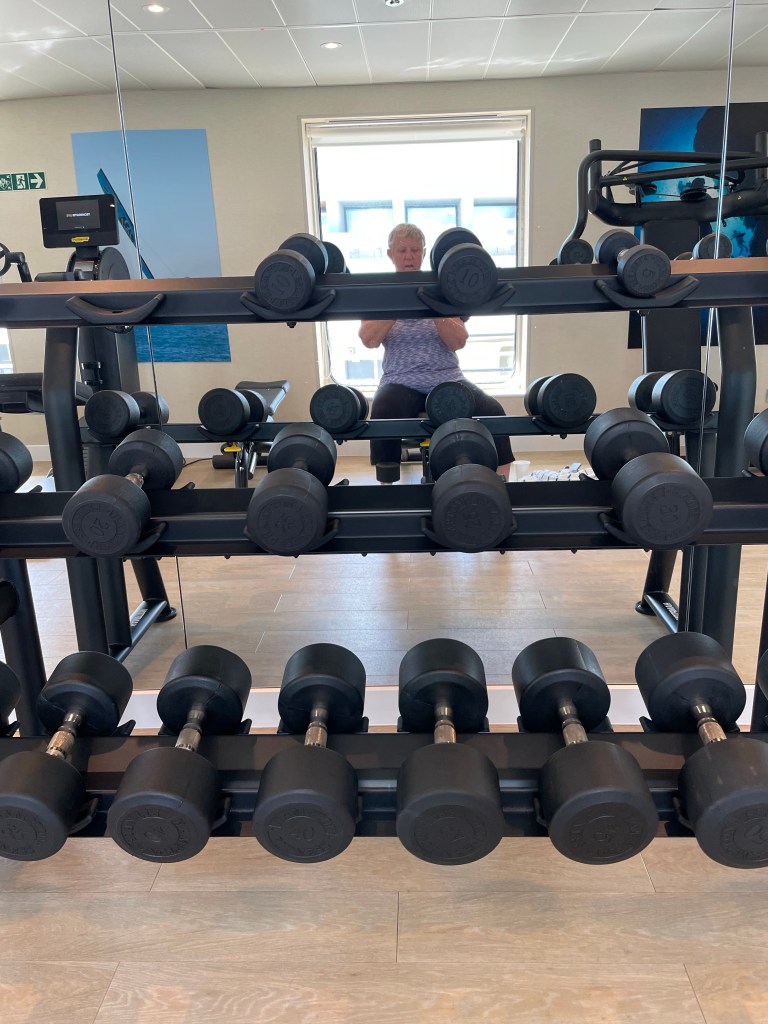
Next it was on to a talk in the lounge, where most of the action takes place, about the excursions for the next 2 ports, picking up our snorkel gear, and then back to the lounge for a talk on the port we will be visiting tomorrow, Bora Bora. And they also reviewed all the facilities and processes on the ship. And before we knew it, dinner was being served in the dining room. It’s a very small ship, with only 148 passengers and it’s open seating and you can indicate if you’d like to be at a table for 2, 4 or more and you can dine at whatever time you like during the dining room’s open hours. We joined a table with two couples, one from the States, (Virginia I think) and a cute more mature couple from Calgary whose spouses had each passed away and she told me they were now an “item”. They were lovely company and dinner was absolutely fabulous. I’m going to be waddling off the ship in Fiji. There is a gym, and I poked my head in the door, and that’s as far as I’ve gotten.

It had been a long day so ended up being an early night. Fingers crossed that the gentle (and sometimes not so gentle) rocking of the ship will put and keep us asleep.

Uncategorized

Getting to know a little about Moorea

Tuesday, February 3rd

Today we got to know a little bit about this island paradise of Moorea by taking a tour around the north side of the island with Mario Safari Tours. I guess the 4×4 transportation is the reason it’s called “safari”. And our guide was not Mario, but Dan, who is not Italian but Dutch. Dan was really knowledgable about the island, and it’s flora, history, etc. And a really good driver going up and around difficult and undulating roads.

To give you some context and background, here is some info about Moorea (also spelled Mo’orea). Moorea is one of the more than 100 islands of French Polynesia, in the Society Islands group, located in the South Pacific. The islands stretch over 2000 km, south of Hawaii and north and a little east of New Zealand. In addition to Society Islands, there are 4 other groups of islands or archipelagos in French Polynesia named Austral, Gambier, Marquesas, and Tuamotu. I think the TV show Survivor has used some of the islands as the location for their seasons.

French Polynesia is described as a “overseas collectivity” of France. From my reading my understanding is (and I hasten to post my normal warning that I may have some of this information wrong or partial or misinterpreted) there is a local elected government that overseas the administration of the islands, but that France still holds some administration function over more national and international issues such as national defence and post secondary education.

The islands are known for the over-the-water-bungalows which you will have seen pictures on in my last post, as well as the beautiful clear water, coral reefs and safe lagoons. The beach at our resort is similar to beaches we’ve seen all over the island (except I heard rumour that the beach at the Hilton is imported sand) and is hard packed sand with lots of sun bleached shells. It’s excellent for swimming with a gentle drop and sandy bottom. Within the lagoon in front of the hotel, which is closed to motorized boat traffic except those owned by the hotel. We’re hopefully going to snorkel here before we leave.

The islands of Polynesia (an area including Hawaii and Samoa as well as French Polynesia) were formed by volcanoes where hot spots in the earths crust allowed eruptions of lava to form the islands. The mountains are irregular and rugged and mostly covered in lush vegetation making for breathtaking scenery. Around Moorea, like most islands in the area, there is almost a complete circle of coral reef some distance off shore. It has a couple of breaks in the reef, where rivers of fresh water come down from the mountains and pour into the ocean in levels high enough to keep coral from growing in those areas. These natural breaks in the coral allowed for early exploring and allow for ships to enter the bays also formed by the rivers. Dan explained to us that the island is shrinking but the coral reef is growing and in some millions of years, there will be no island but just an atoll left (circle of coral reef) on which to live.

So, with that background, here is our day.

Dan picked us up at the hotel and we headed north west on one of the only roads on the island, the one that circumnavigates it. We passed by the local airport and a Jack Nicholas designed golf course. It looked challenging from the small bits we saw, very undulating. We had our first stop at Cooks Bay which was named after Captain Cook who visited the island in 1777. Cook actually explored a bay to the west of Cook Bay but the name of that Bay was too sacred to the Polynesians to change, so they named this one after him. Mount Ratui at just under 900 metres overlooks Cooks Bay. It is one of the highest peaks in French Polynesia.

We also got a look at Mount Mouaputa (830 metres) which has the distinction of having a hole right through the top of the peak. Ron helped us to use our imaginations to see the princess with her hands in prayer in the profile of the mountain. Later in the day when we came back through Cooks Bay, the cloud had covered up the hole and most of the princess.

After picking up two couples at the Hilton Hotel, (one from San Francisco and the other from Kona, Hawaii) we headed for a rustic Tropical Garden to see various native fruits growing. The road up to the Garden was very steep and narrow. I was glad that Dan was driving. He was great a pointing out the various species and explaining how some of the growing processes worked. The gardeners have vanilla growing under a shade tent. It’s not indigenous to the islands, but grows well here. Dan pointed out some of the local flowers including the national flower of Moorea, Tiara Tahiti or gardenia. This flower worn behind your right ear, means you are single/available, however if you wear it behind your left ear you are married, engaged or otherwise taken. One source I read said if worn behind both ears it means you’re married but available and worn backwards means you are available immediately! The women wear the bloom fully open and the men wear it closed. We also got to try samples of the jam that they make from the various fruits that they grow and enjoy the amazing view from the mountain side location.

This flower below is called a Monet Flower. For some reason I missed taking a picture of the national flower.

Back into the 4 X 4 and down the narrow road and on to drive around the largest bay on the island, Opunohu Bay on our way to Magic Mountain. Again up a narrow winding one way road. And I have the bruises on the inside of my upper arms to show as to how difficult it was to stay put in the 4 X 4. At the top of the road was a short steep path to get to the look out, but it was worth every step. It’s beautiful everywhere you look on this island but they were extra special from this view point. We could see down over the entrance to Opunohu Bay where a medium size cruise ship was unloading it’s passengers on to tenders to spend the day on the island. You could really see the different depths of water from this vantage point and the natural break in the coral reef at the entrance to the bay.

After sufficient Kodak moments we loaded up again and headed down the mountain and back to the main road again. At the head of Opunohum Bay, we turned on to a side road that lead to the Agricultural School. This school is the only post secondary school on the island, and students who wish to study something other than agriculture must travel by ferry to neighbouring Tahiti either daily, weekly or for the term. Those that stay over, usually stay with a family member. This time we were on our way to another lookout point called Belvedere. The road traveled through the agricultural school and some pineapple fields. The thing that struck me was how well kept and tidy everything was.

The view from Belvedere, which is the highest point you can get to by car on the island, was special because we could see both Opunohum Bay as well as Cook Bay and the mountains surrounding each. We ran in to a pile of ATVs who were touring around the island as well.

Back on the road, we followed an inland road through the PaoPao Valley and into Cooks Valley to join up with the main road again. Along the way, we got to see the commercial growing of pineapples. It’s very labour intensive and we saw one fellow at work with a machete carving back the weeds to expose the pineapple plants. He had to wear protective clothing on his arms and legs to prevent him from getting cut by the razor sharp leaves of the pineapple plants. A full 80% of the pineapples grown commercially (generally by farmers renting small plots of land from the owners) are sold to the pineapple juice factory on the island. The rest is sold domestically and we’ve had great pineapple on our fruit plates while we’ve been here.

Ron explained how pineapples and bananas grow including the male and female parts. So much to learn, so little time. The bottom purple coloured part at the bottom is the male part which is lopped off at the appropriate time to allow all the energy of the growth to go into the fruit.

He even showed us how to make a plate out of leaves – the ultimate in recycling. The Ti plant is used for all sorts of things from grass skirts, to decoration, to making harnesses for harvesting cocoanuts. He showed us a wild hibiscus whose bloom opens as yellow in the morning and by the afternoon after being in the sun it is peach colour.

Dan also showed us how much the leaves of some plants smell like their fruit. He ripped some mango and lime leaves and let us smell them, and lo and behold, they smelled just like their fruit. All these years and I didn’t know that.

Our last stop was at the pineapple juice plant, where we got to taste some of their products. They make juice as well as alcoholic drinks and they had all of them for sale in their small on-site shop.Some were delicious, although some were a tad strong for my liking, and they were all really sweet. We didn’t actually get to see how the juice was produced, unfortunately.

After dropping off the other tourists, it was back to our hotel for a lovely late lunch on the outside deck, but under the cover of the roofline because what started out as a beautiful day had turned cloudy and the heavens opened as we were having lunch. We really did well with our choice to go snorkelling yesterday and take the tour this morning instead of this afternoon.

Much of the afternoon was spent on the porch of our bungalow reading and working on blogs, etc. It was raining off and on, but the temperature stayed the same. I found it so relaxing to be sitting still not feeling like I have to be somewhere, and enjoying the unbelievably beautiful scenes around me.

There are a few restaurants on the island that cater to those staying in hotels that didn’t rent a car by providing transportation and last night we got the concierge to book at one of them for us. We were just leaving the hotel to jump in their van with another couple who were also headed to the same restaurant and there were another group of four who were also waiting but for a ride to another restaurant. I looked at one of the fellows and thought I know that guy, but then thought, couldn’t be, your around the world away from home. But I stopped and looked back and realized who it was and I did in fact know him. I called out his name and he answered. It took him a minute to remember me, as it’s been 18 years since we’ve seen each other. We only had a chance to shake hands and marvel at the coincidence and I had to leave, but how weird is that.

It was a wonderful dinner of fresh seafood, mine a seafood casserole and Nanci’s a shrimp curry. And we both saved room for a delicious dessert – mine a guava and something tart, (sorry, I forget) and Nanci’s cocoanut and chocolate ice cream. Yum.

What an excellent day.

I’m having trouble uploading pictures this morning, so I’ll add more when/if I get better wifi.