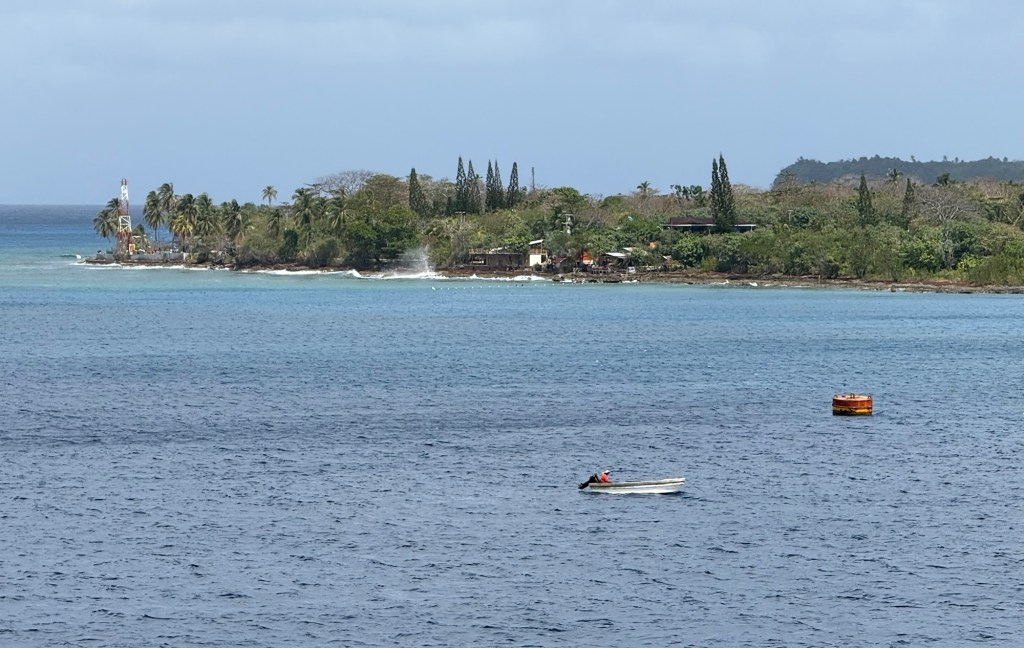
Wednesday, February 11
Far, far away from its motherland, lies an archipelago of the islands of San Andrés, Providencia, Santa Catalina and other smaller ones, which is the territory of Colombia, 750 Kilometers to the south. The archipelago is off the coast of Nicaragua in Central America but the people there are technically South Americans because they’re Colombian.
The archipelago is volcanic and around the islands are extensive coral reefs, giving the waters around the islands beautiful different shades of ocean water and the nick name of The Sea of Seven Colors. The islands are protected by the Colombian government as a Marine Protection area and recognized by UNESCO.
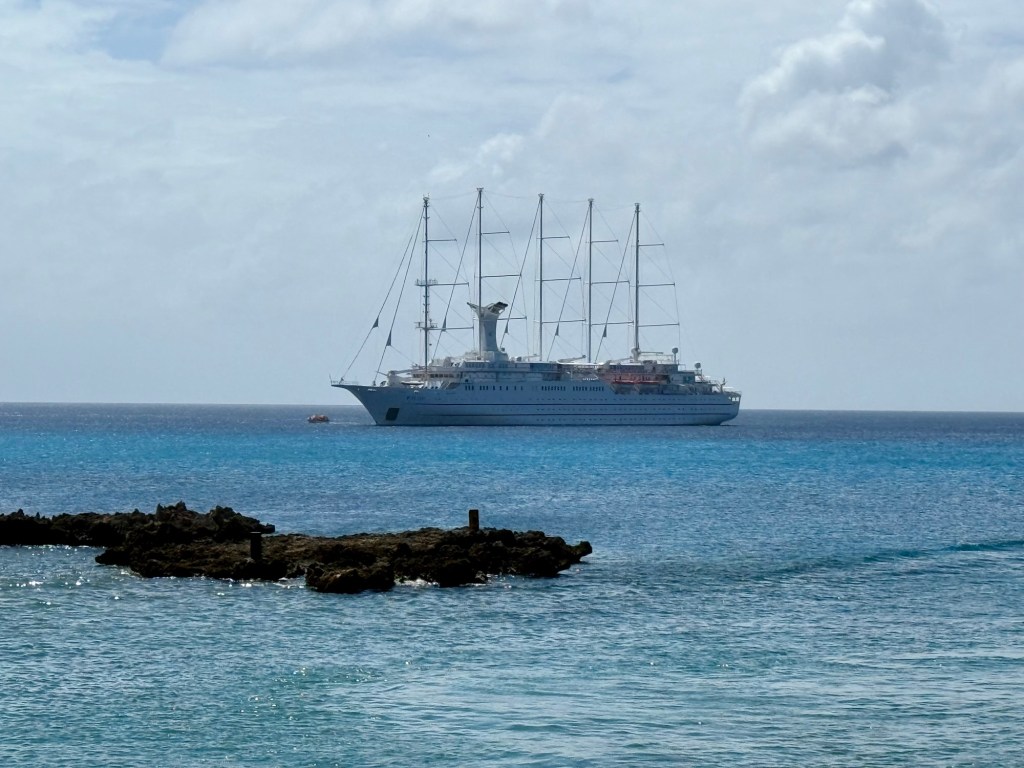
The history of the islands is similar to that of most of the Caribbean islands, discovered by the Spanish around 1500, colonized by the British in 1629. Later there were clashes between settlers from various countries (British, Dutch, French and Spanish) and pirates and privateers. Like other parts of the Caribbean, privateers (those with a mandate from a specific country to capture treasure for the country issuing the mandate) and pirates sailed the seas looking to intercept gold and other treasures heading to Europe and San Andres became a base for them in the 17th century. The famous privateer, Captain Henry Morgan apparently used a cave on the island as a storage place for his loot, and we visited the location of it on our tour of the island.
San Andrés was declared a duty free port in 1953, which meant rapid immigration and a boom in tourism. Given its close proximity, Nicaragua has tried to claim the archipelago however in 2012, the International Court of Justice re-affirmed Colombia’s sovereignty over the islands.
San Andrés’s history has left it with an alphabet soup of cultures, languages and traditions, speaking several languages (Creole, English, Spanish and African dialects) with British traditions and surnames. It has a Key West, Jimmy buffet, Reggae feel to it. And in fact when we asked the taxi driver to put on some music that they listen to on the island he put on reggae. Unfortunately, parts of the island have been overrun by tourist development and the traffic is horrendous given there are few roads, the main one circumnavigating the island. But there are smaller islands you can water taxi to that are beautiful and unspoiled.
Two of the excursions here were cancelled before we arrived because they had a terrible storm recently that caused some damage to the reefs and churned up everything. So we took an island exploration tour, which had us all in a convoy of taxis that almost circumnavigated the island with stops along the way.
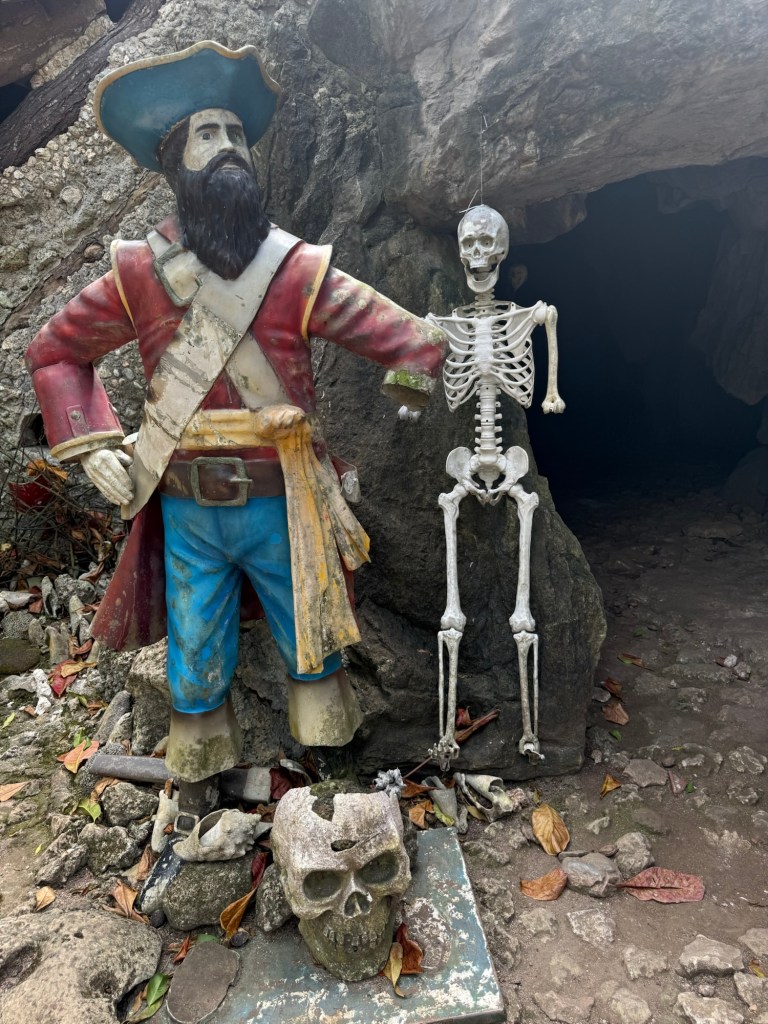
Our first stop was a tourist attraction based on the legend of Captain Harry Morgan’s base including the cave where he supposedly stashed his loot. Can you tell I’m somewhat sceptical?
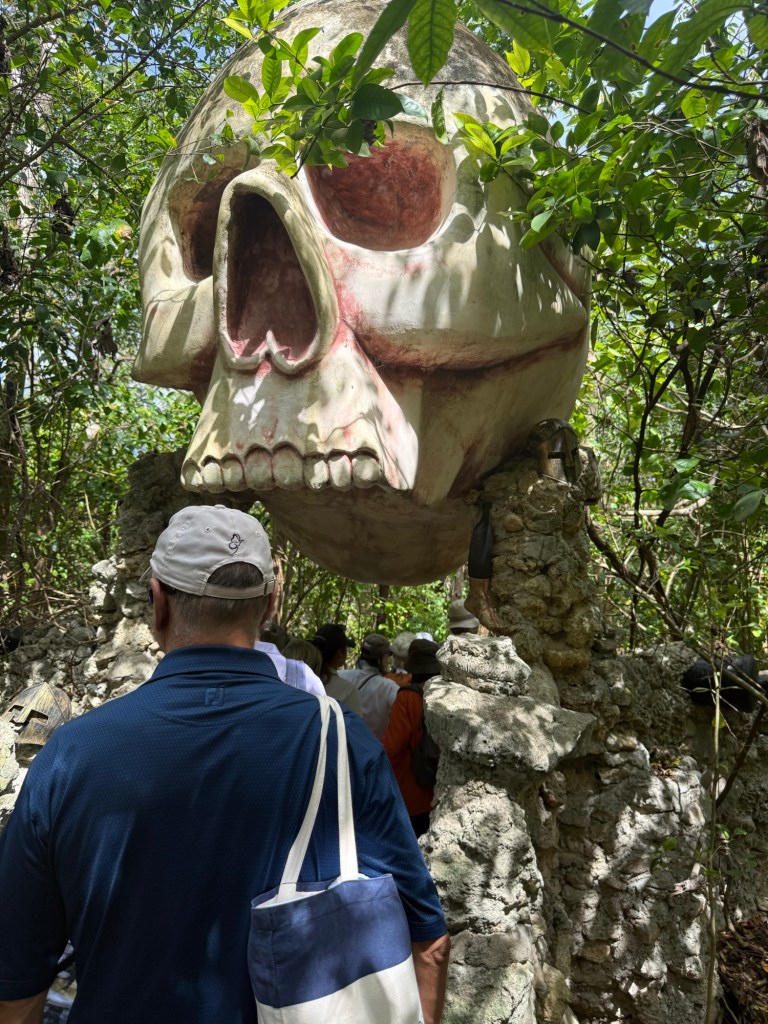
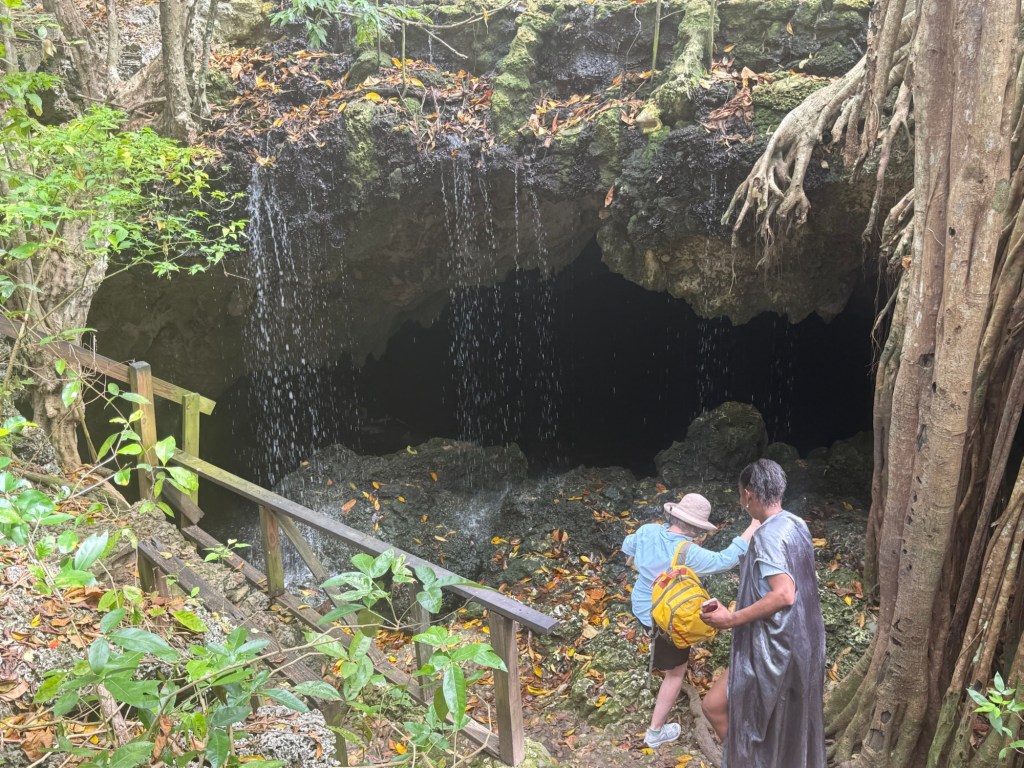
The cave is still there, and around it, the locals have built a scene of what it might have looked like including a cave, a smaller scale pirate ship that Ben would love! and some turtles.
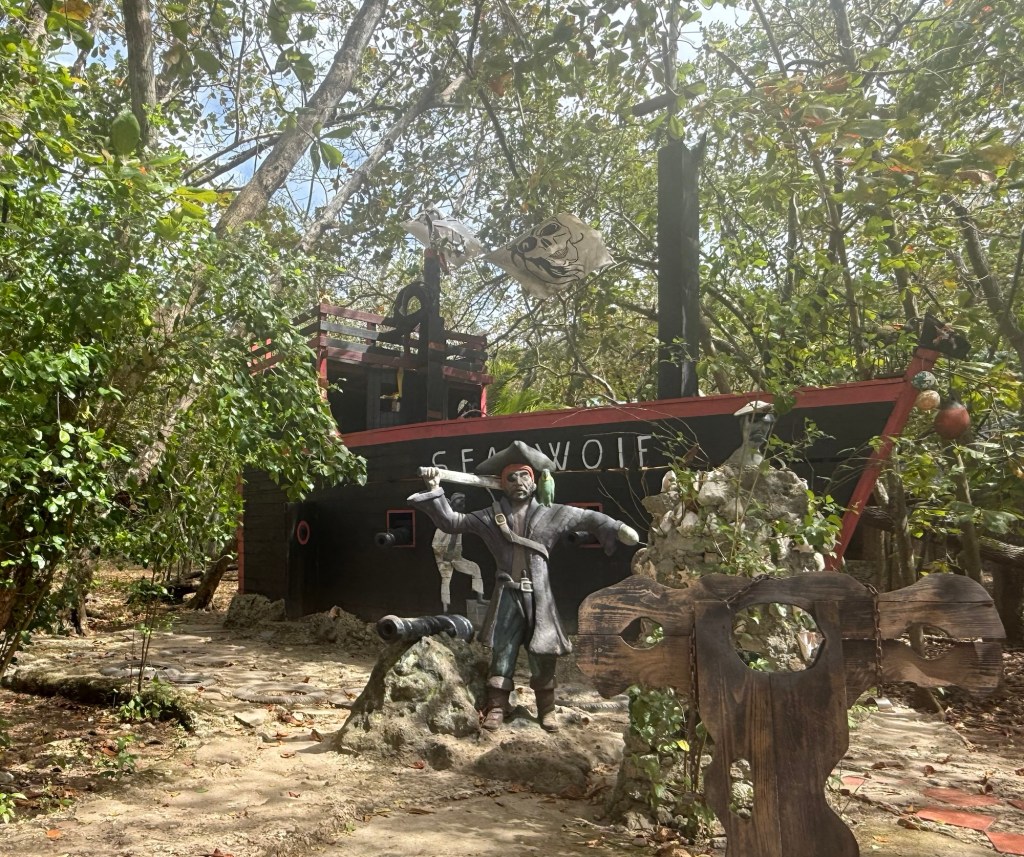
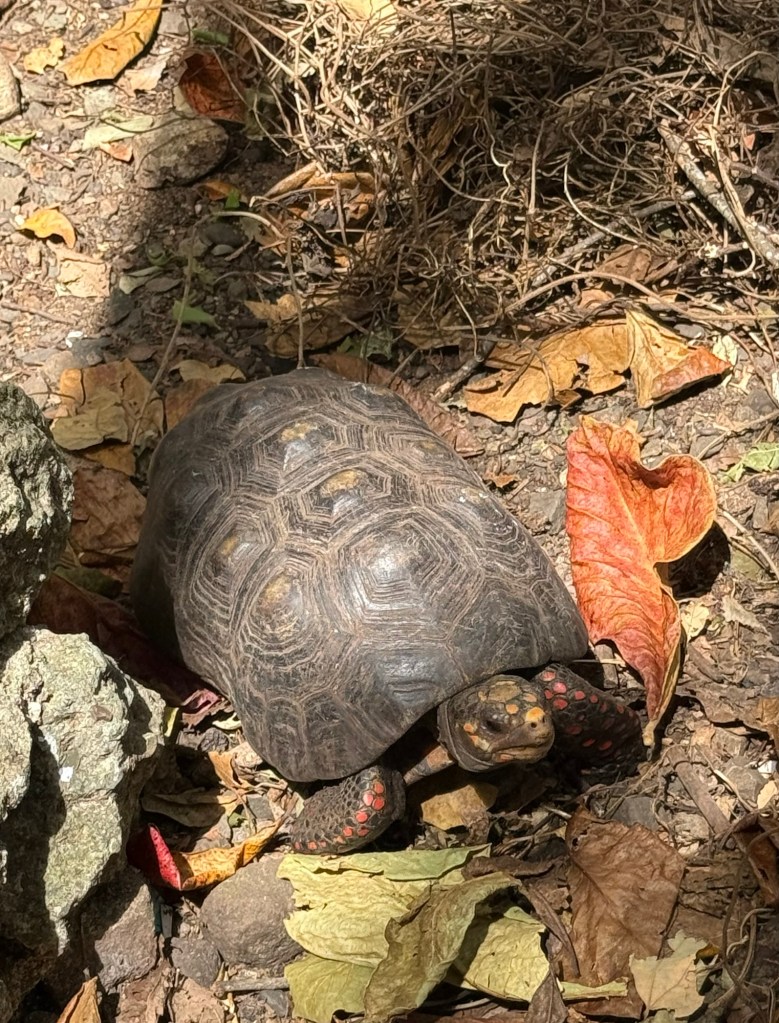
Not to be unkind, and good on them for taking the initiative, but it was quite hokey. They had some really pretty turtles in a pen and I wasn’t sure how they fit the theme. One of the guides did give us some of the history of the area but I was near the back of the group and couldn’t really hear.
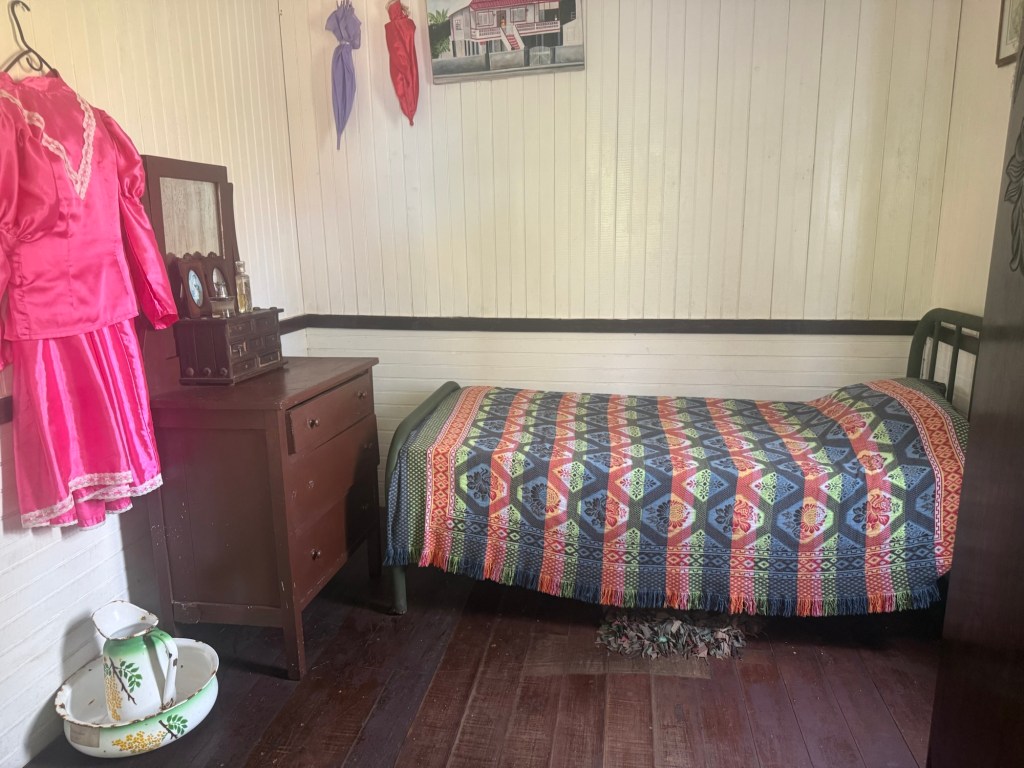
Next it was on to the Casa Museo Islena (Island House Museum) with a reproduction of a 19th century home set in a lovely garden dedicated to preserving their culture and heritage. It was really nicely done and included a home with the main bedroom and one for the grandmother on the main floor and kids rooms upstairs. I thought it was perfect for Gill, Phil and the kids and I to move in to. There was a kitchen in a separate building, as was the tradition, and a gazebo where the guides did some traditional dancing for us.
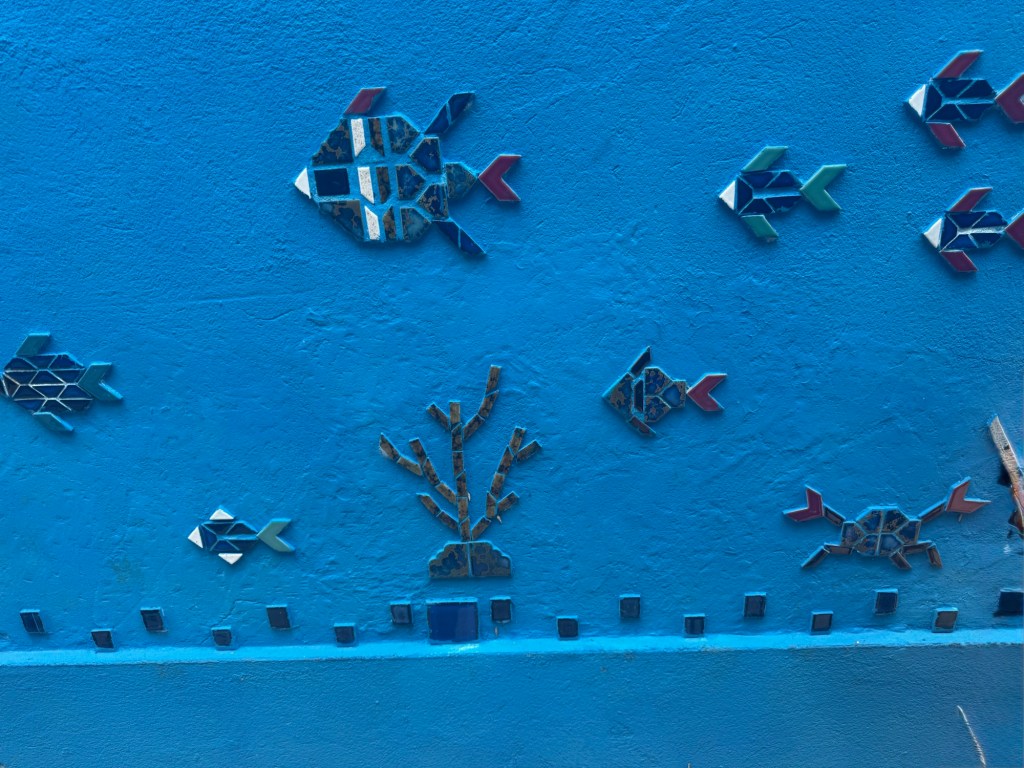
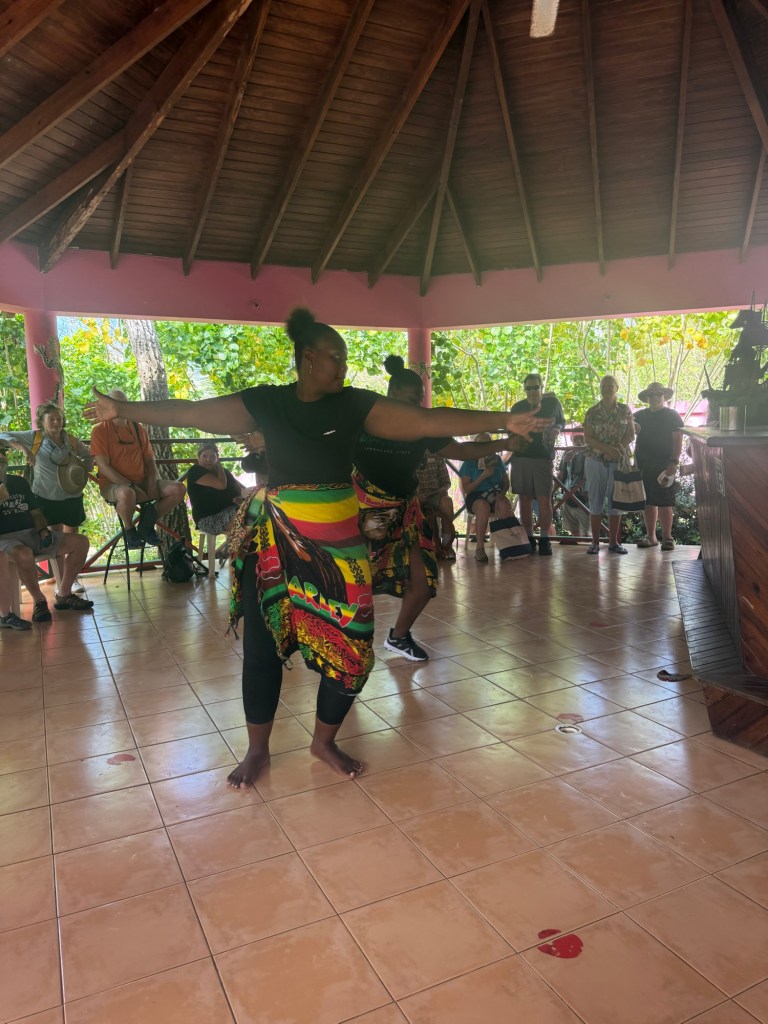
The island is long and narrow with the length running north south. We had started at the “cruise ship terminal” in the middle of the east side and after the Island House Museum we traversed north toward the small town of San Andrés. There were shops and quite a few tall apartment buildings that appeared to be both hotels and homes, and a lot of traffic. It was a hoppin’.
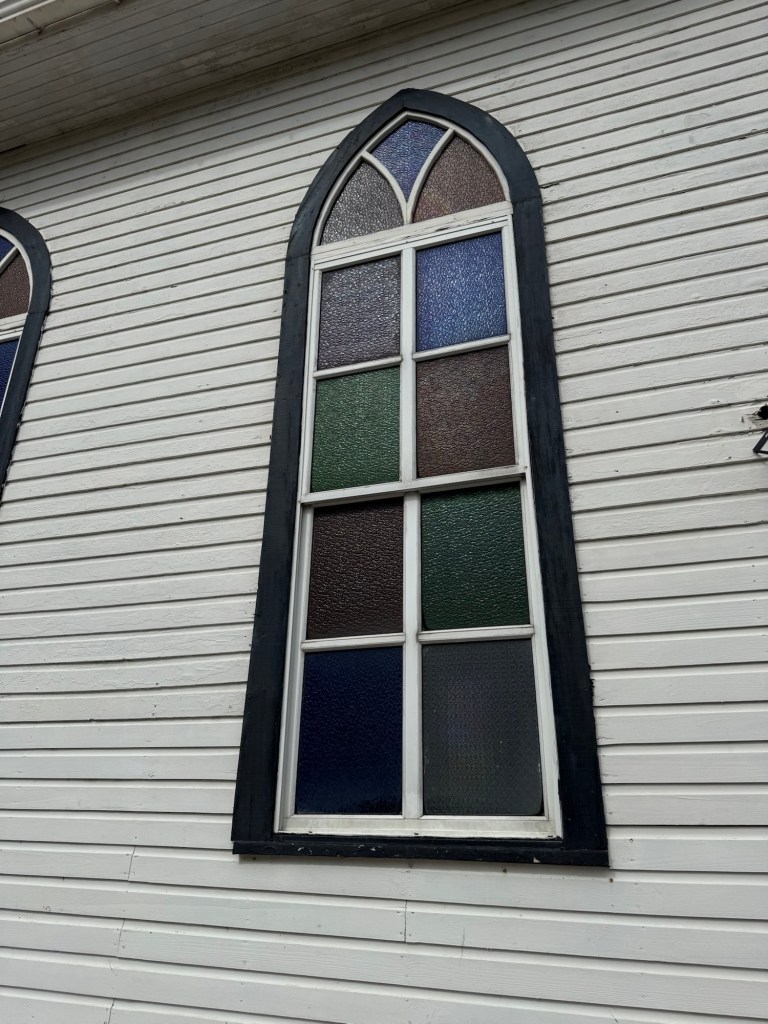
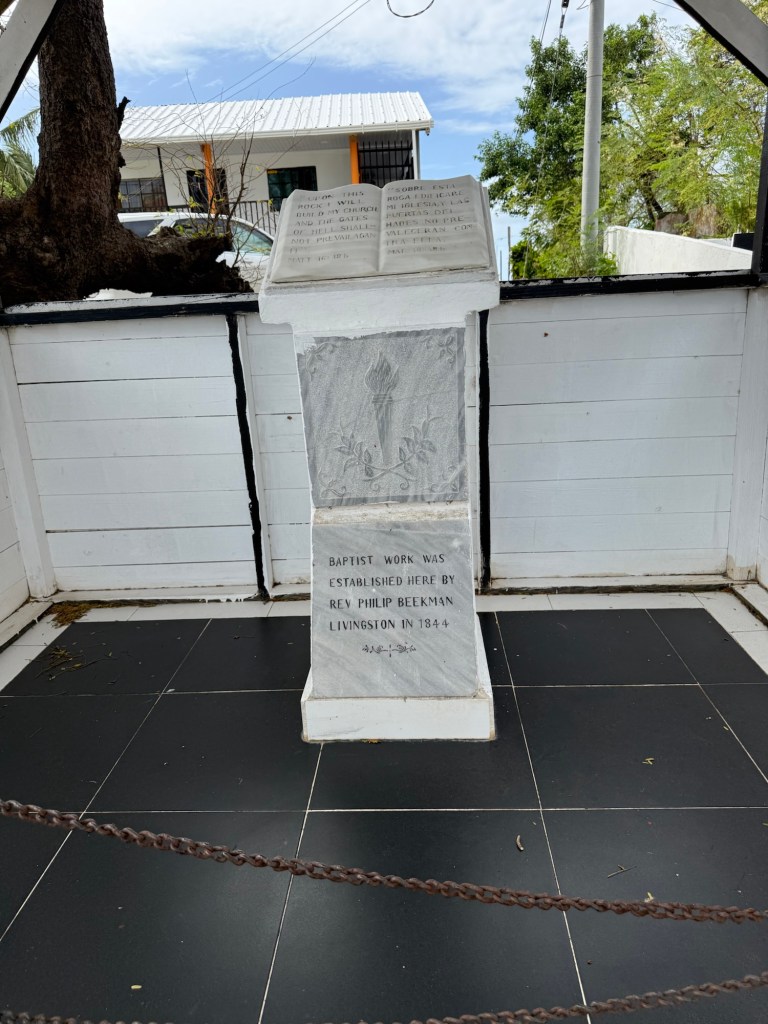
The First Baptist Church on a hill overlooking the beautiful waters of the Caribbean, founded in 1844 by Rev Rev. Phillip Beekman Livingston (Jr.), was our next stop.
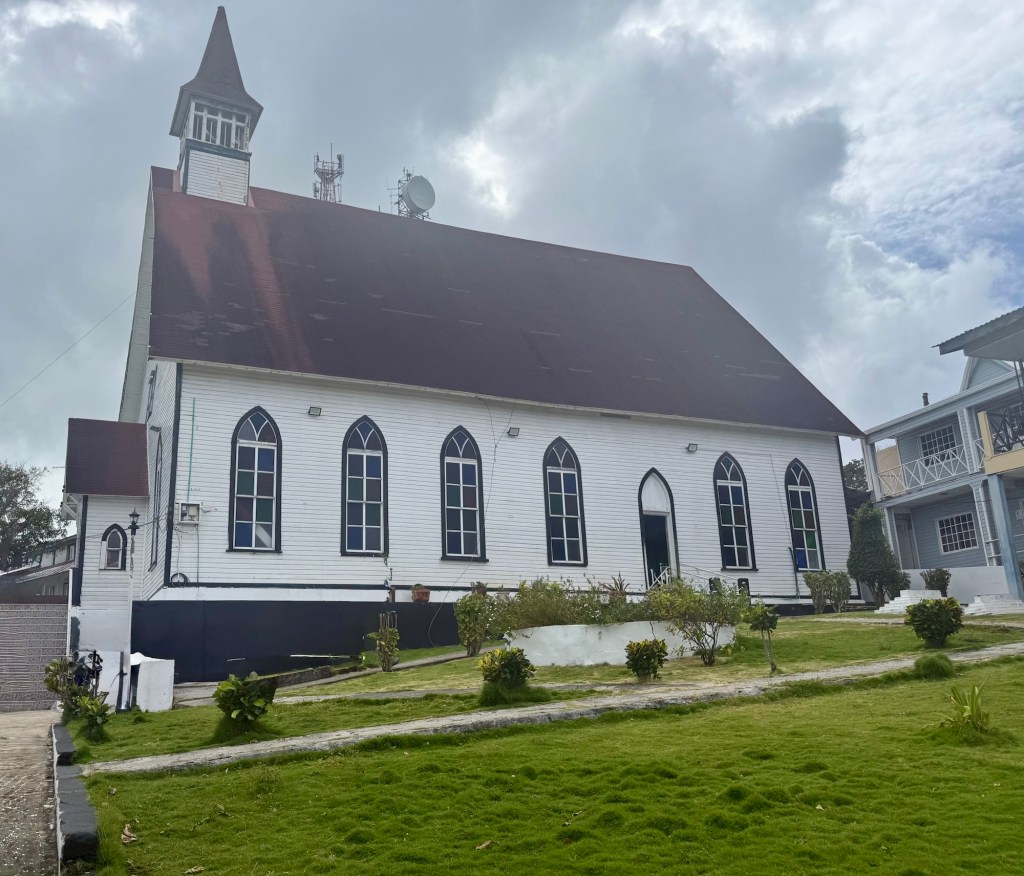
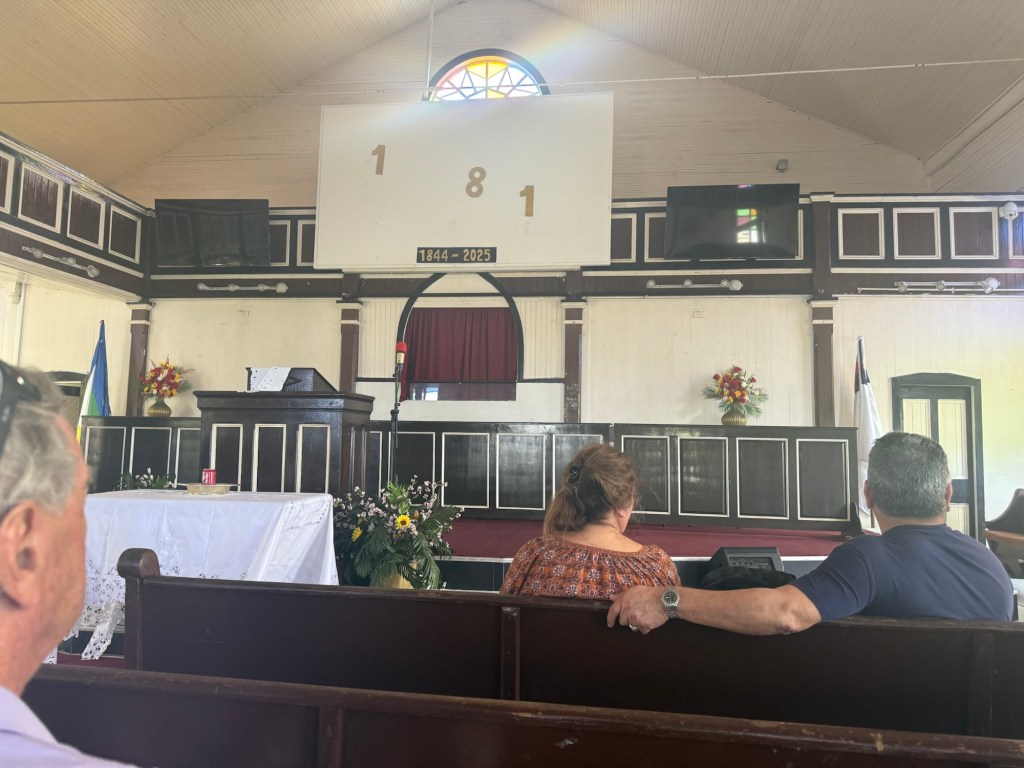
In addition to providing the minority Protestants and slaves a place for worship, he also was instrumental in the fight for the emancipation of the slaves in the area so is highly revered. It’s a very simple church but with lovely stained glass windows letting the Caribbean sun stream into the church.
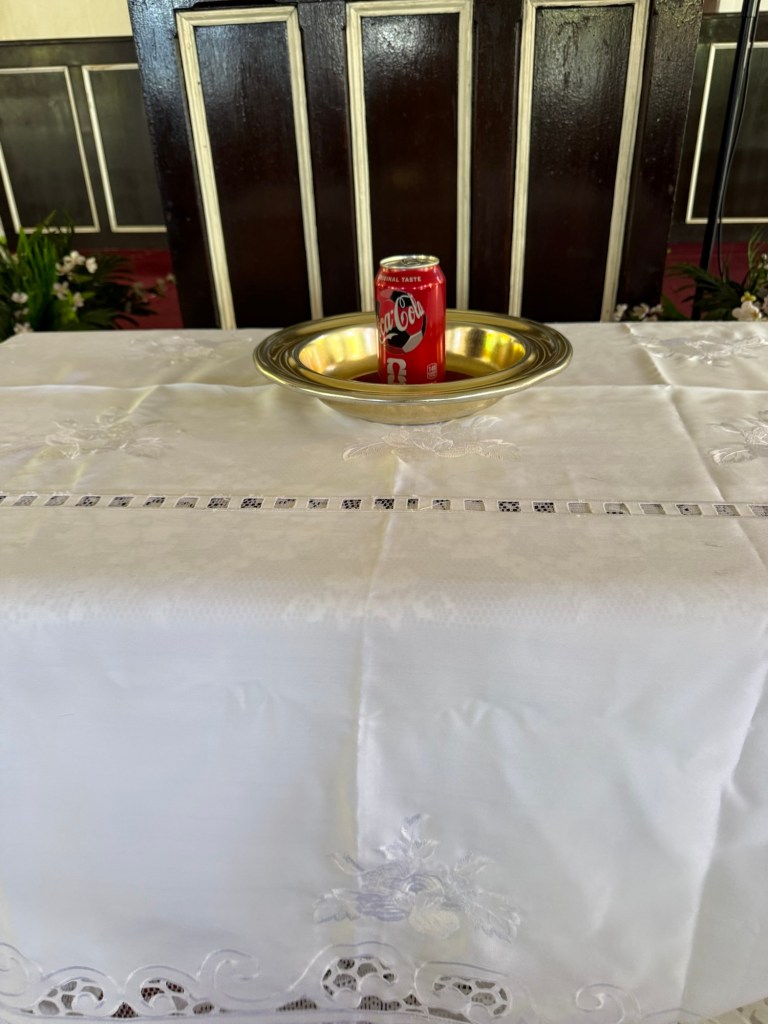
For some reason, unknown to us, there was a can of Coke in the offering plate!
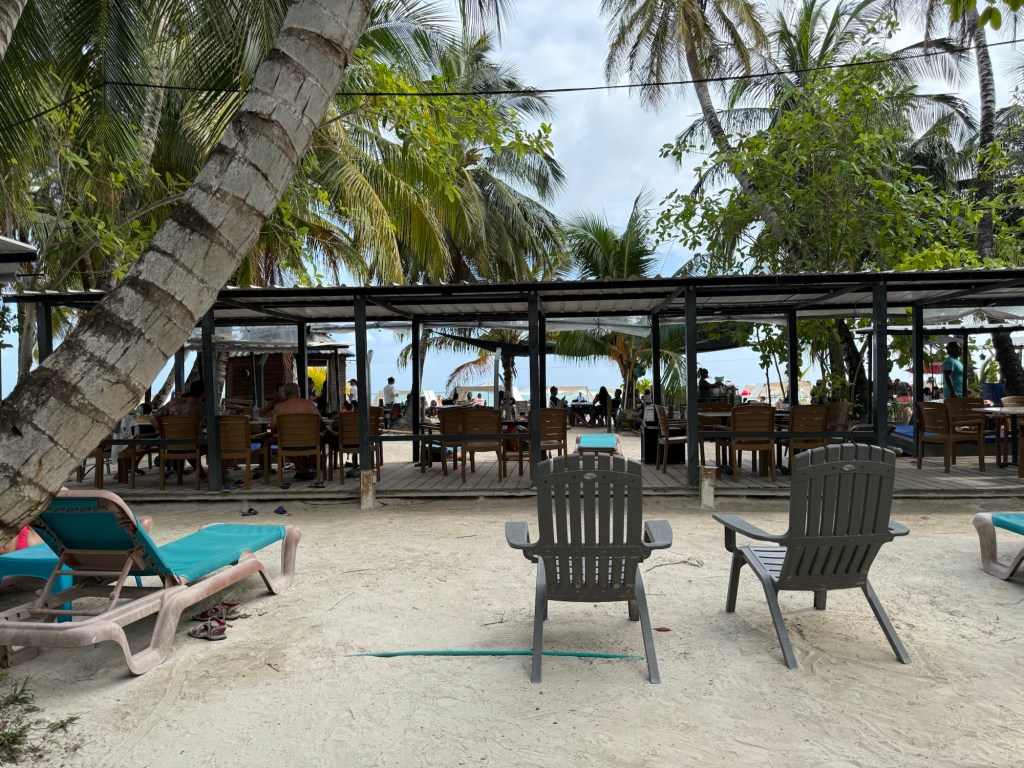
Our final stop was for a relaxing time at a very popular beach club where we were able to sit in the shade of some trees with a complimentary drink. And by very popular, read that it was so crowded on the beach and in the shallows of the water that it was hard to find space, so we didn’t bother trying.
Back to the dock with our trusty cab driver and to the ship. Last night we had chosen to eat at the speciality restaurant, Candles, and it was a wonderful evening for it. It’s out on the top deck lit by candles, with mostly steak but also some grilled seafood and other delicious dishes.
The perfect way to end the day in paradise.

 Lois' Adventures