
Sunday, November 2nd
Almost a day off touring! Well not quite.
Today we had no scheduled activities during the day. Some of the group are off for the whole day trekking across a glacier, a different one than the one we saw yesterday, and others are off on tours to see some caves with aboriginal writings. We decided to leave the day open to catch up on the past few days of intense touring.
We didn’t set an alarm and had a leisurely start to the day, meeting up at 11:30 am to walk into town for lunch and to souvenir shop. It’s definitely spring here, with tulips and other summer flowers blooming. It’s a lovely sunny and clear day with some puffy clouds, 8 degrees C, and very windy. Today will be our last day of cool weather and we’re bracing for the heat of Iguazu Falls and Rio.
We did have one organized activity today as this evening we had booked to visit a ranch in our hotel’s neighbourhood. It’s set up to demonstrate what it was like on the ranches that settled this area, sharing some traditional food and for a show including local folk music and dancing.
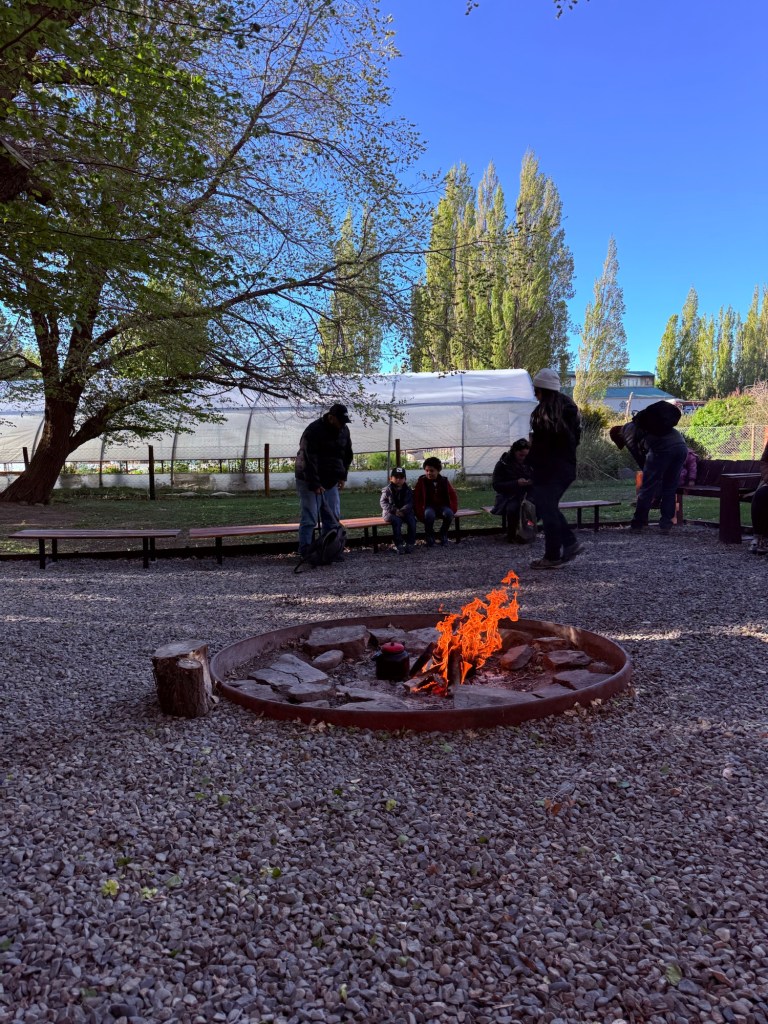
The early settlement of El Calafate was as a stop over point for wood traders on their slow journey, hauling their wool from the region at a speed of only 20 km per year! The government encouraged settlement by providing plots of land for those interested to establish ranches. Many from Uruguay took the government up on the offer and this is the style of ranch which we visited today.
El Calafate was officially founded on December 7, 1927 by an Argentine Government Degree to continue to promote settlement and it was named after the calafate bush common in the area.
It has just burst forth as a destination for tourists visiting the glacier and glacier park and now 99.9 of their industry is supporting the tourists in some way or another.
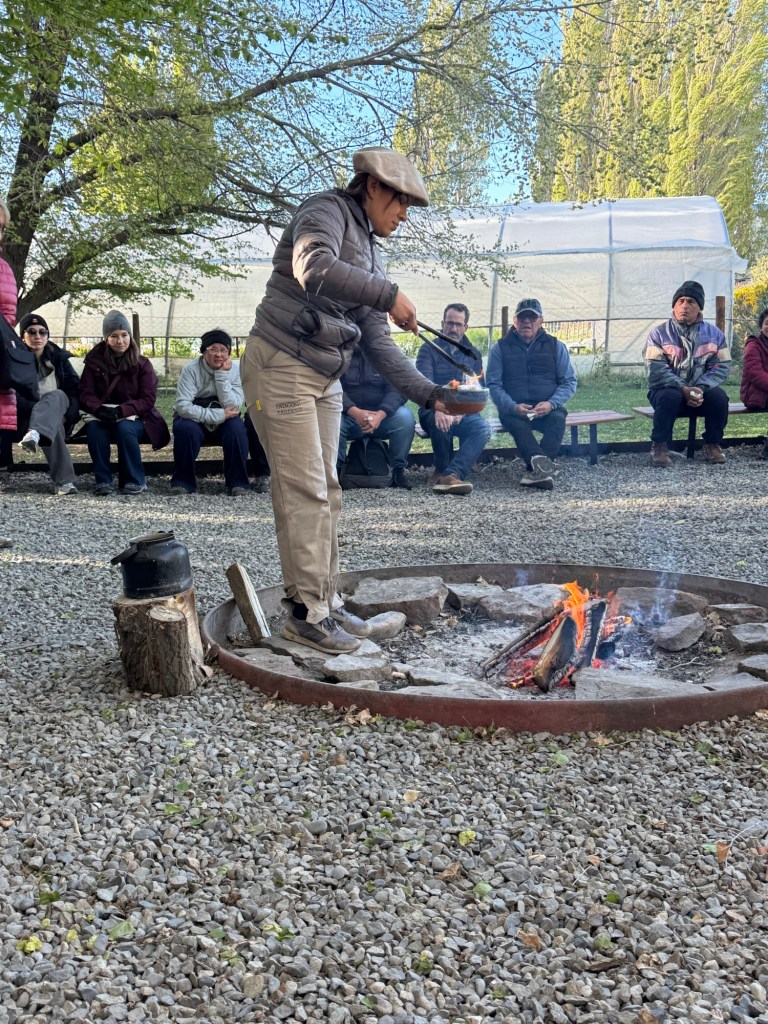
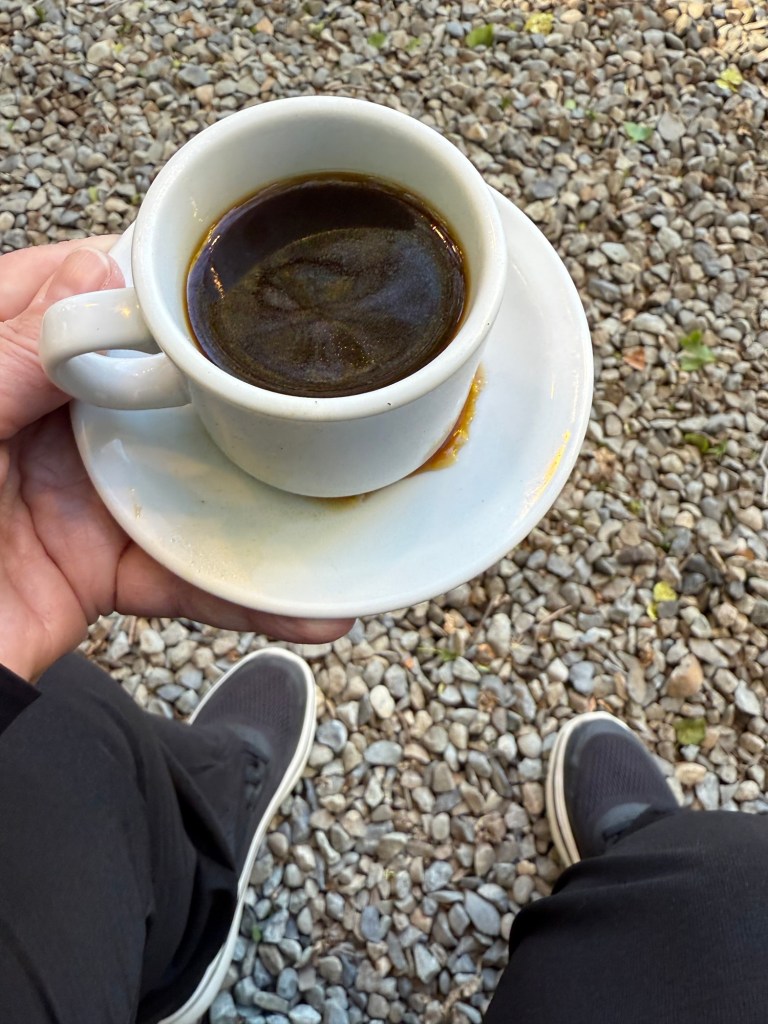
We spent the first 2 hours of our ranch visit outdoors, where it was cold and windy, but we were dressed for it and they did a great job of alternating having us outside for one demo and then inside for another for us to warm up. And the first activity was around a camp fire. They demonstrated a special and somewhat bizarre way that they made coffee on the ranch. They put a pot of water on the fire to start to get it hot, and then put in heaps of coffee grounds. Gingerly, with tongs they take brilliantly glowing red wood coal pieces from the fire and put them in a large bowl of sugar and turn the coal to coat it and then put the coal into the kettle. They did this several times until I thought the pot must be full of coals. Apparently the coal oxidizes the sugar which causes the coffee grounds to sink to the bottom of the pot so it can be served without the grounds, and it gave the coffee an only slightly sugary but smoky taste.
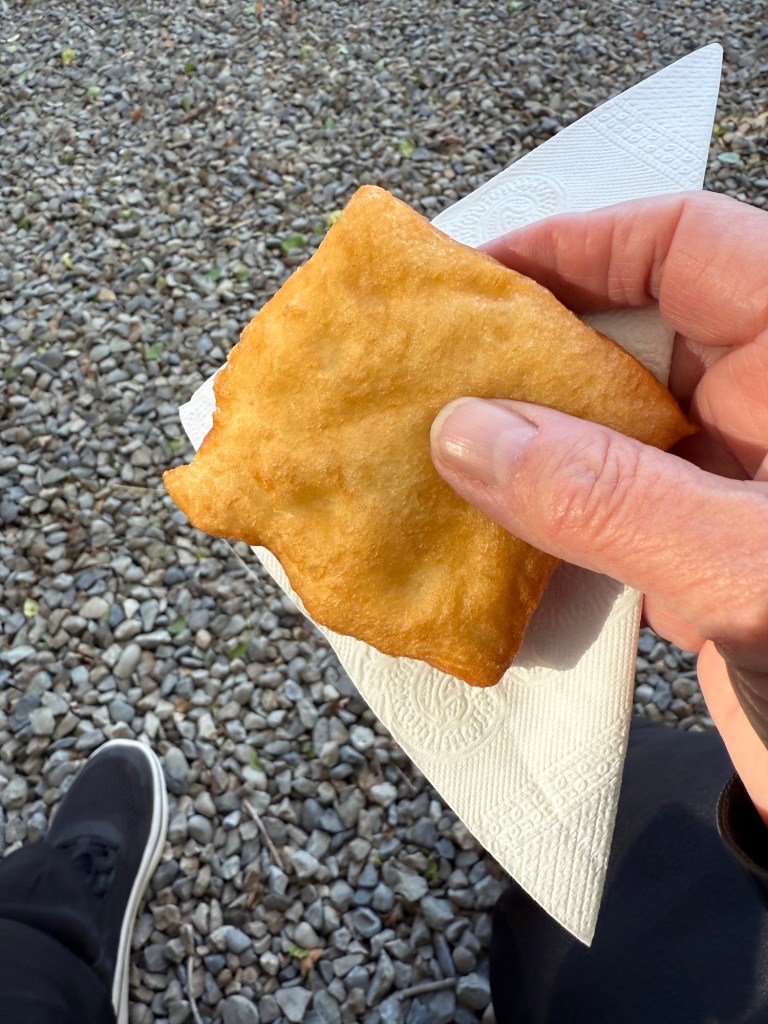
They also served a pasty that tasted kind of like a donut, but was square with no hole. Apparently made from only three ingredients but I didn’t hear what they were.
This ranch is 17,000 hectares and they primarily ranch sheep, although the tourism aspect of their ranch has produced a great crop for them as well. The property is very well maintained and the buildings used for the dinner, while rustic in design, had modern conveniences.
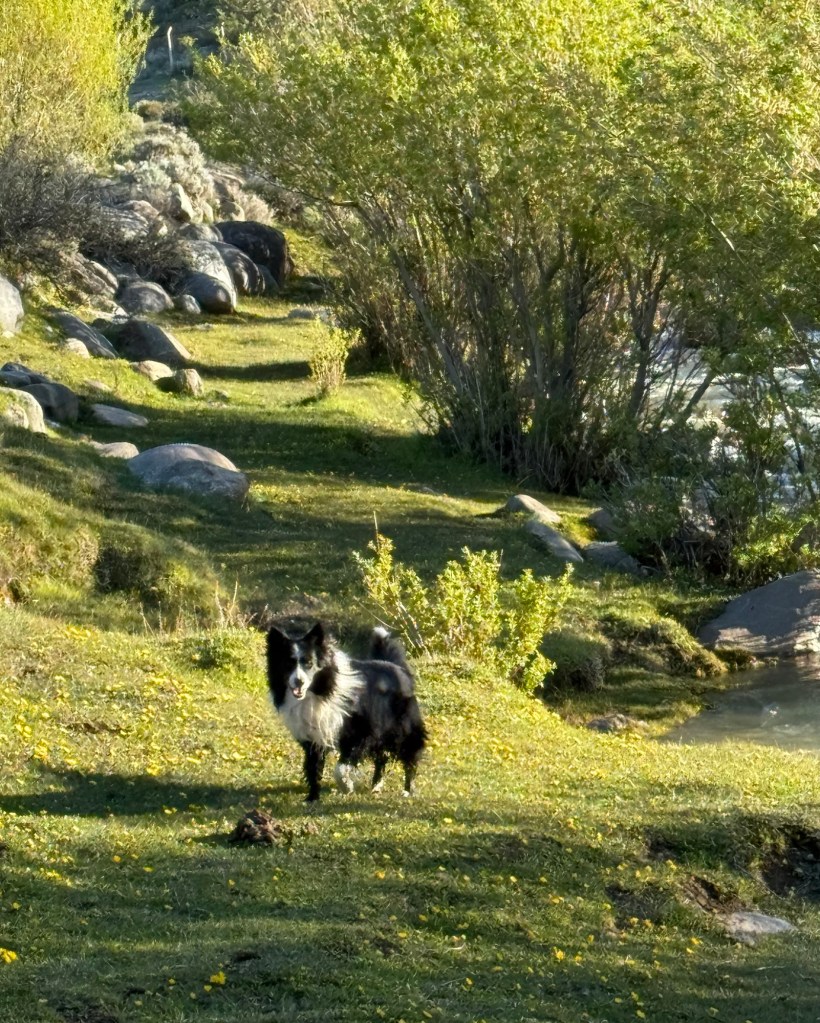
While at the camp fire we were treated to a demonstration of the great sheep herding skills of their amazing border collie. The working dog is the offspring of two other collies that have been retired and who followed us around the property looking for any handouts from the guests while the junior dog was doing the work.
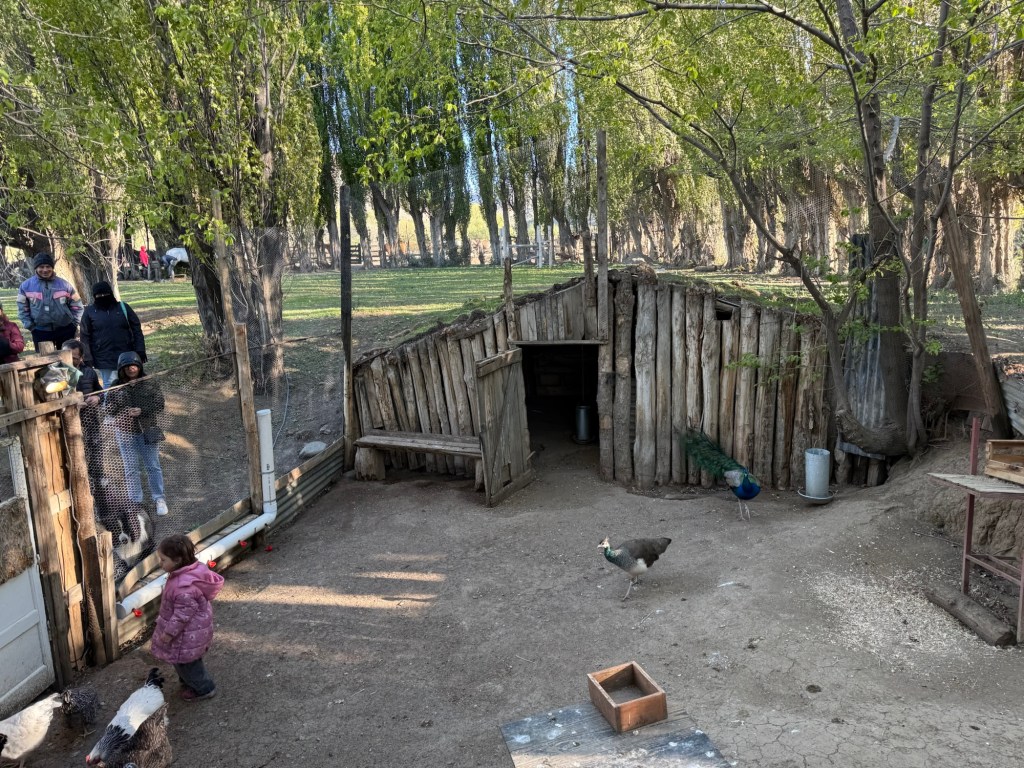
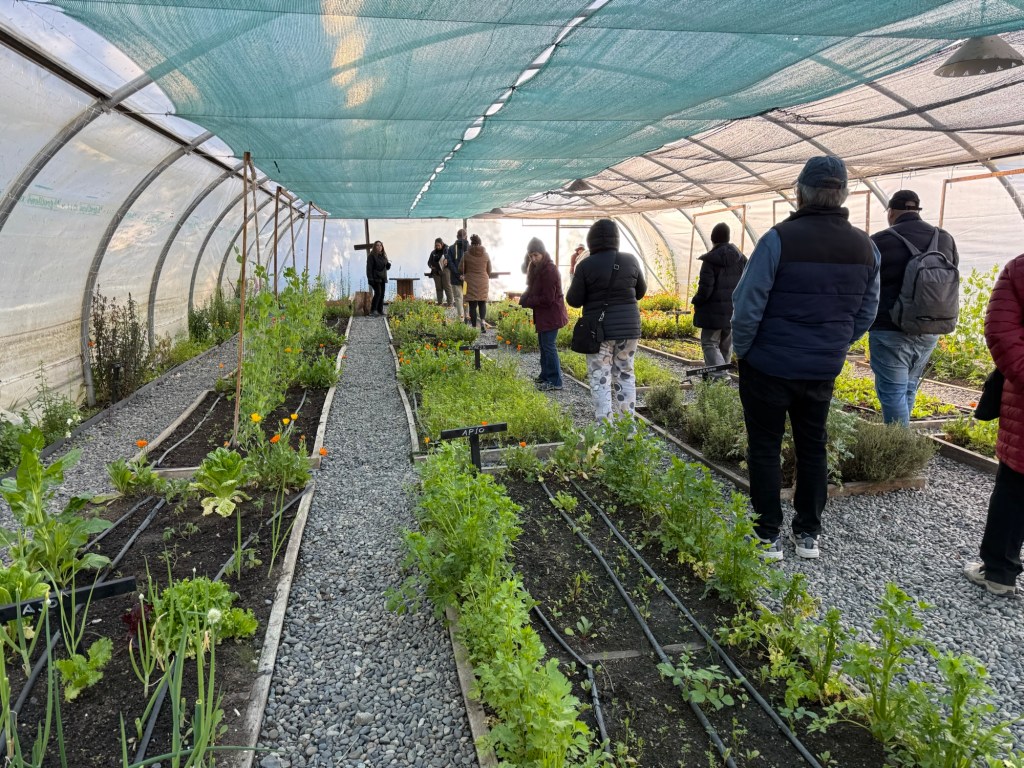
We stopped in at the hen house, which used to be the root cellar, and a greenhouse, which is not common in Patagonia, but the ranch here grows all it’s own veggies during the summer months.
We walked along a lovely little creek running through the property, to the backdrop of hills all around for a bit. We ended up at a deck build by the creek where we could taste a warm mulled wine and some barbecued lamb and lentils on a biscuit. Nice little appies in such a unique setting.

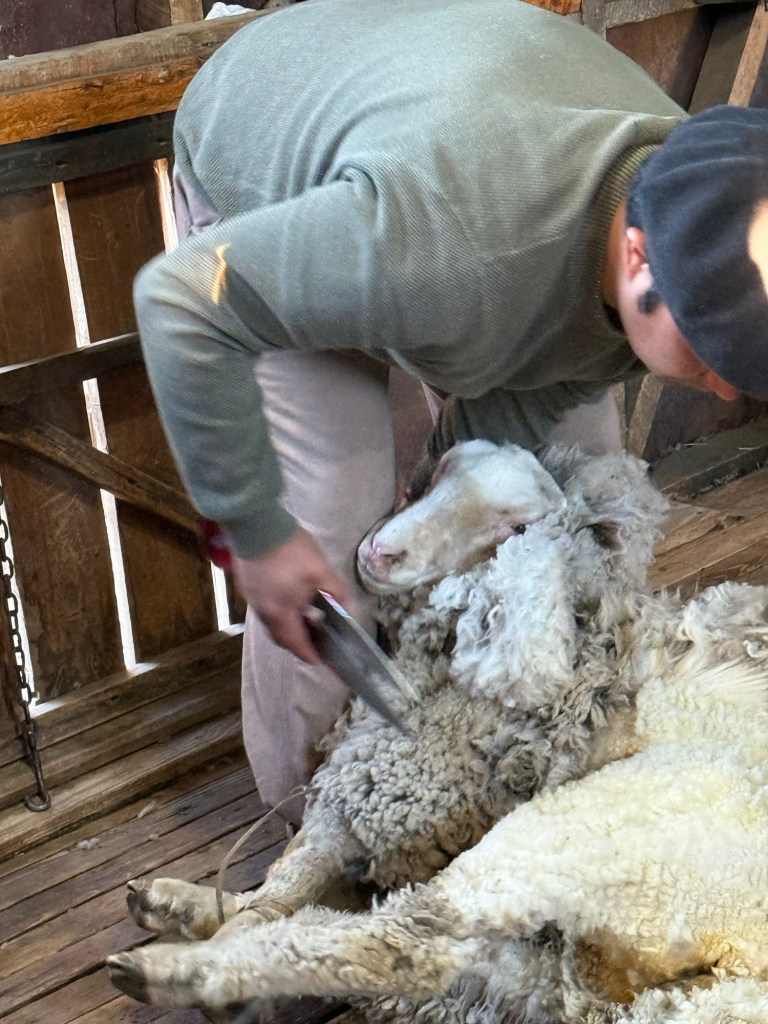
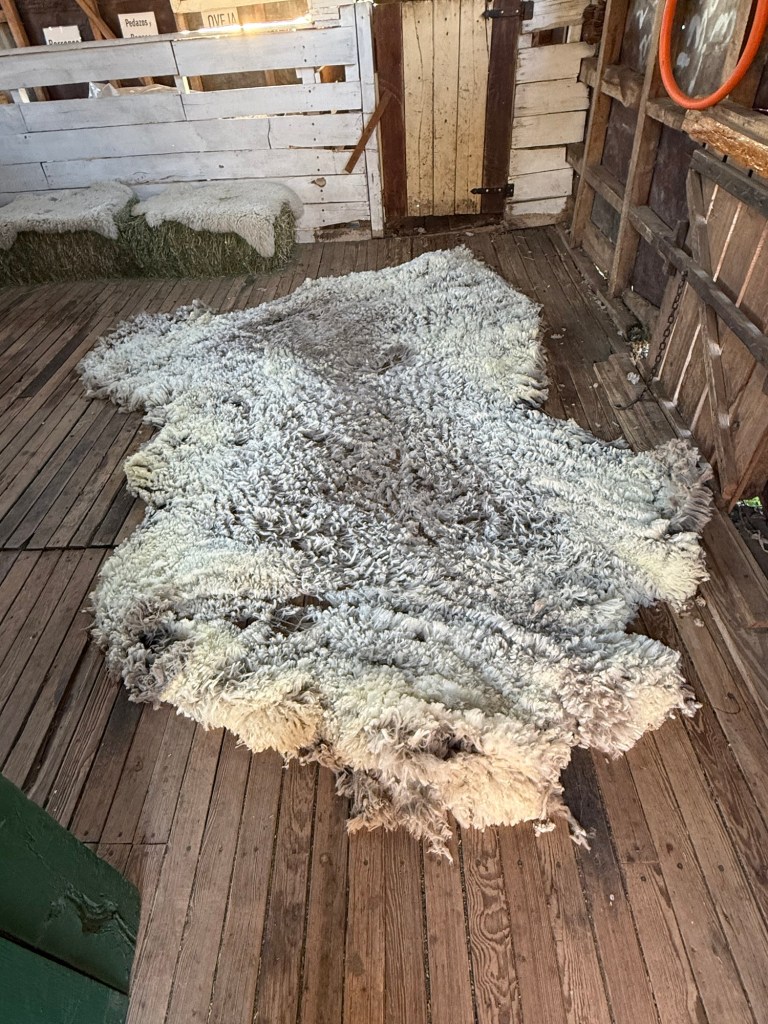
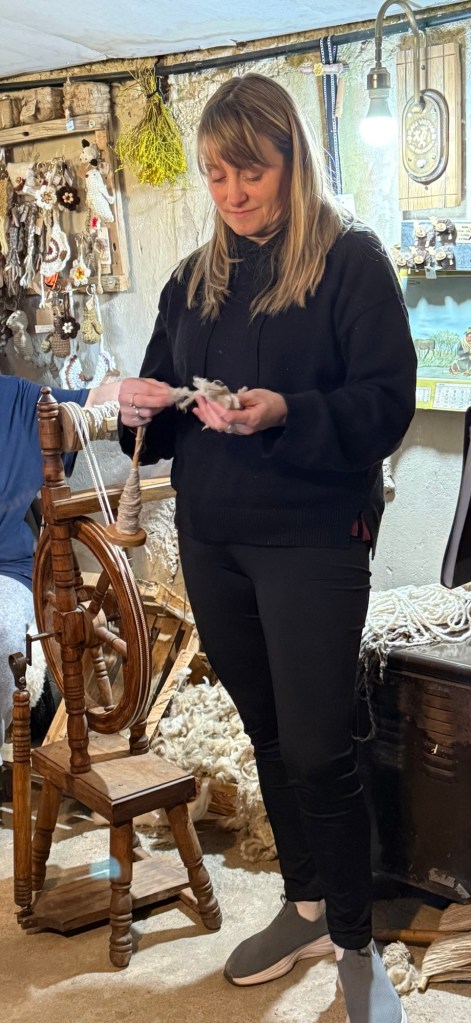
Next it was on to see the sheep raising part of the enterprise. They do have modern sleeping facilities, but they have left some of the historical buildings intact to use for their demonstrations. We saw how the sheep were separated for shearing, and then the shearing itself. This sheep shearer used the old fashioned huge scissors instead of the electric razor type. This was both to show us the original method but also because the sound of the electric ones scares the animals and it shears them too close and they get cold! It was amazing to see that after just a few minutes a bald-ish sheep skipped out the shoot and the shearer laid out a complete one piece skin of wool. A group of volunteers keep up the traditions and showed us the pretty tedious way they spin the wool first into one strand, then many, and how it is dyed.
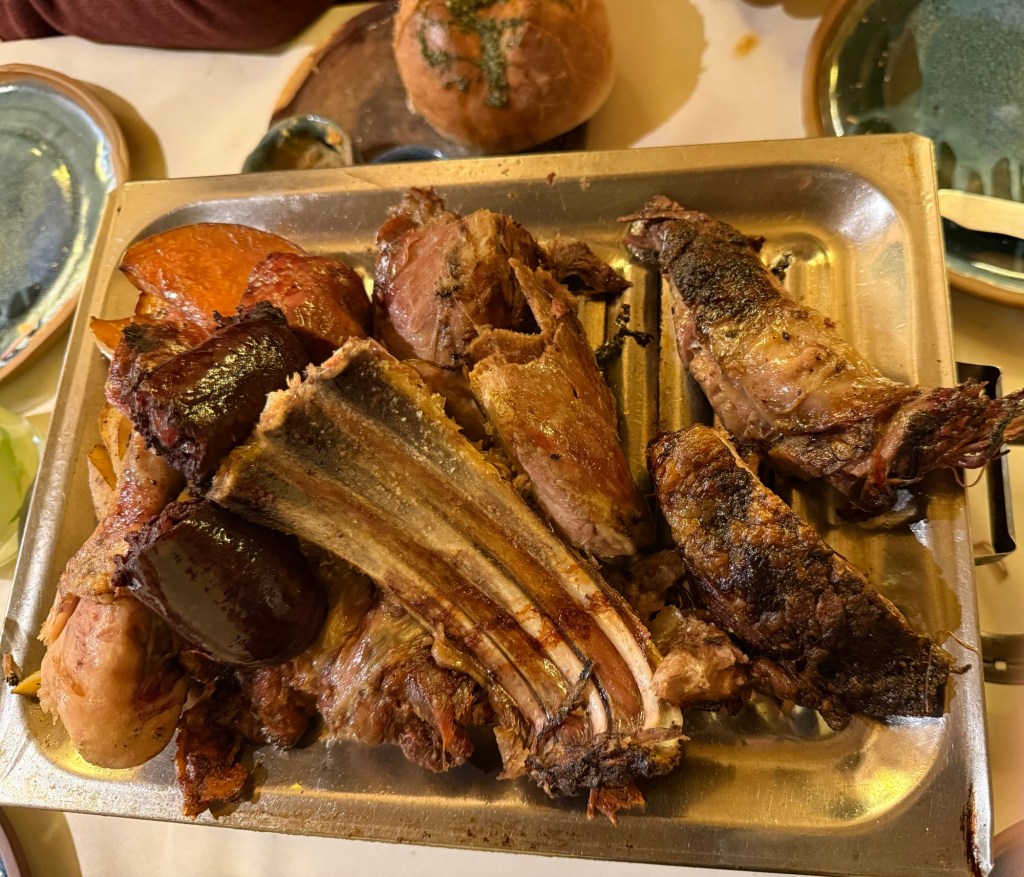
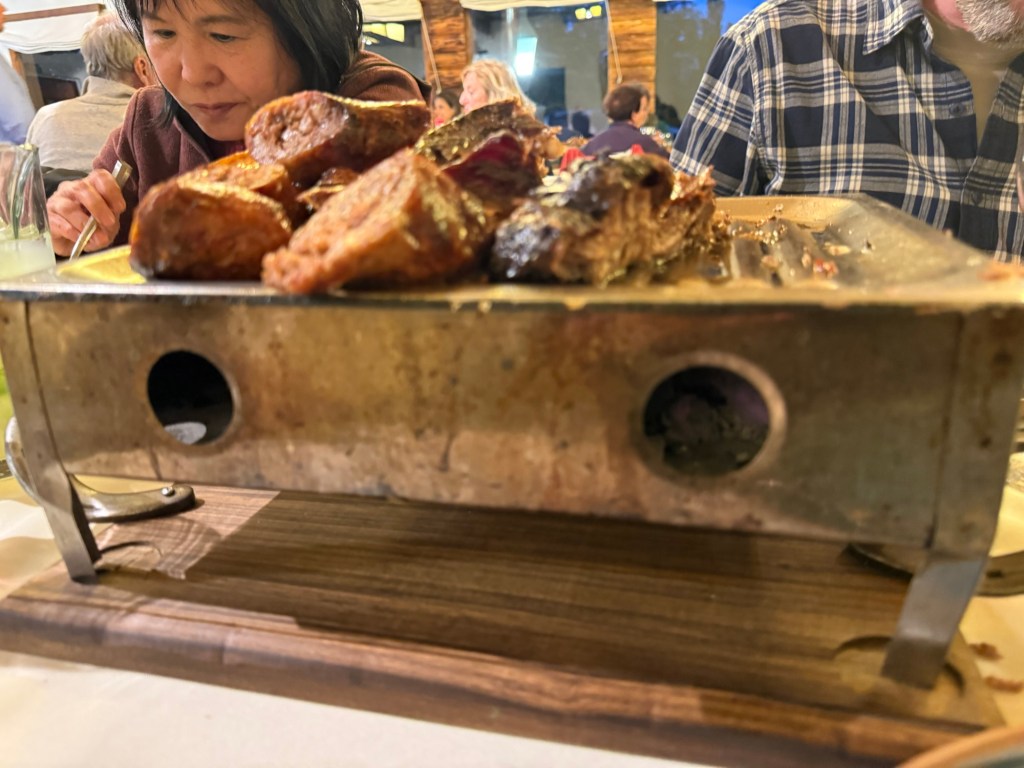
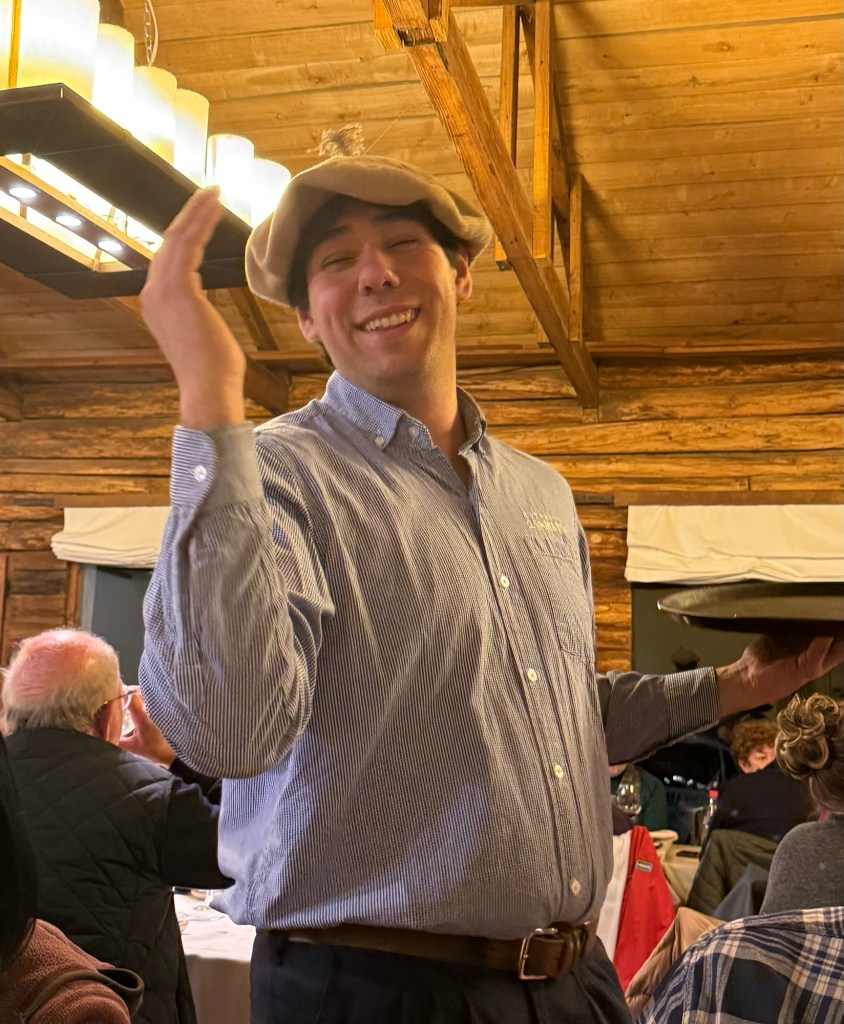
Finally it was time for us to head back to the dining hall for a fabulous dinner and some entertainment. After a starter of beef empanadas and salad, we were served family style with the meat and veggies that had been grilled and roasted being presented on a little grill for each table. They were piled high with beef, lamb, sausage, chicken, potatoes and we think butternut squash.
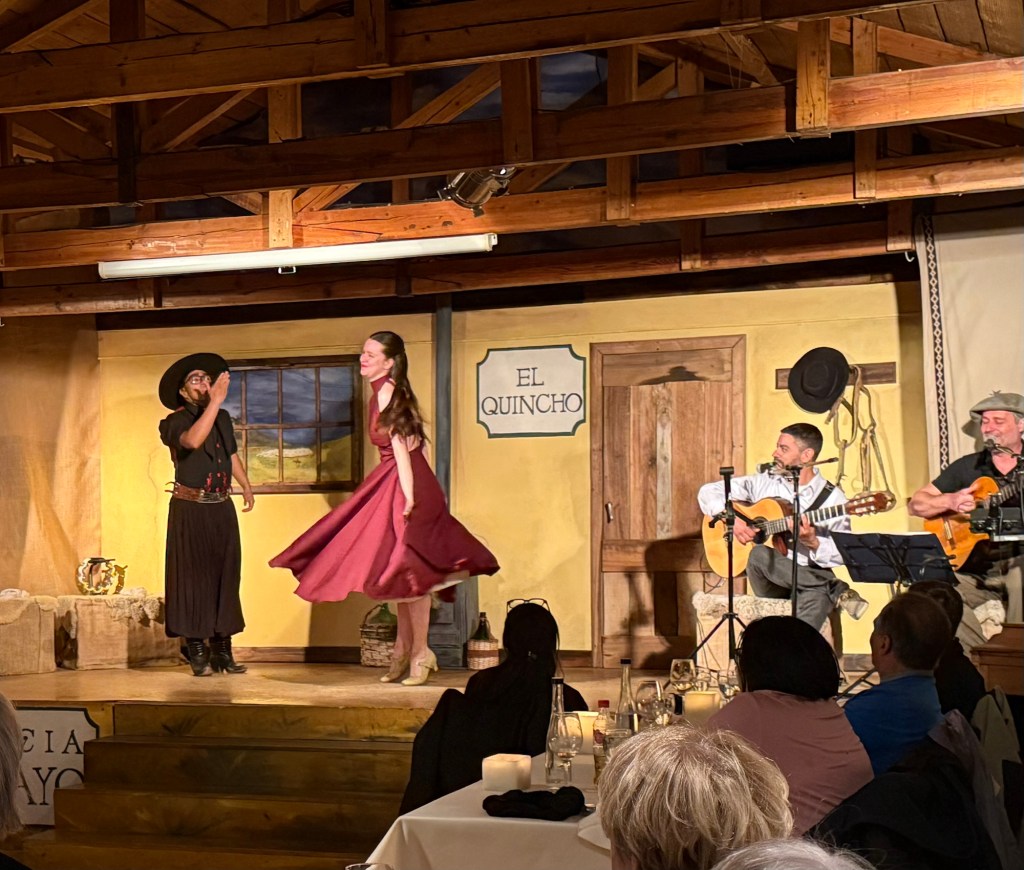
As dessert was being served the entertainment started, which was traditional dances and music from the Patagonia area. The guitar music was lovely and it was light hearted and interactive.
It was an interesting, but late evening as we didn’t get back to our hotel til 1030 and then had to be up early the next day. But it was worth to learn a little more about the region and its people.

 Lois' Adventures