Today we left Swapkomund and headed north along the Skeleton Coast along what is referred to as a “salt road”. It’s apparently made from salt and as such can’t be painted so it has no centre line or edge lines. Glad I wasn’t driving.
On our way out of town, our guide pointed out the new neighbourhoods of homes that the Namibian government has undertaken to build for its citizens. The homes are small, but include a small fenced piece of land and all the infrastructure is in place for the new inhabitants, who can rent-to-own at reasonable prices.
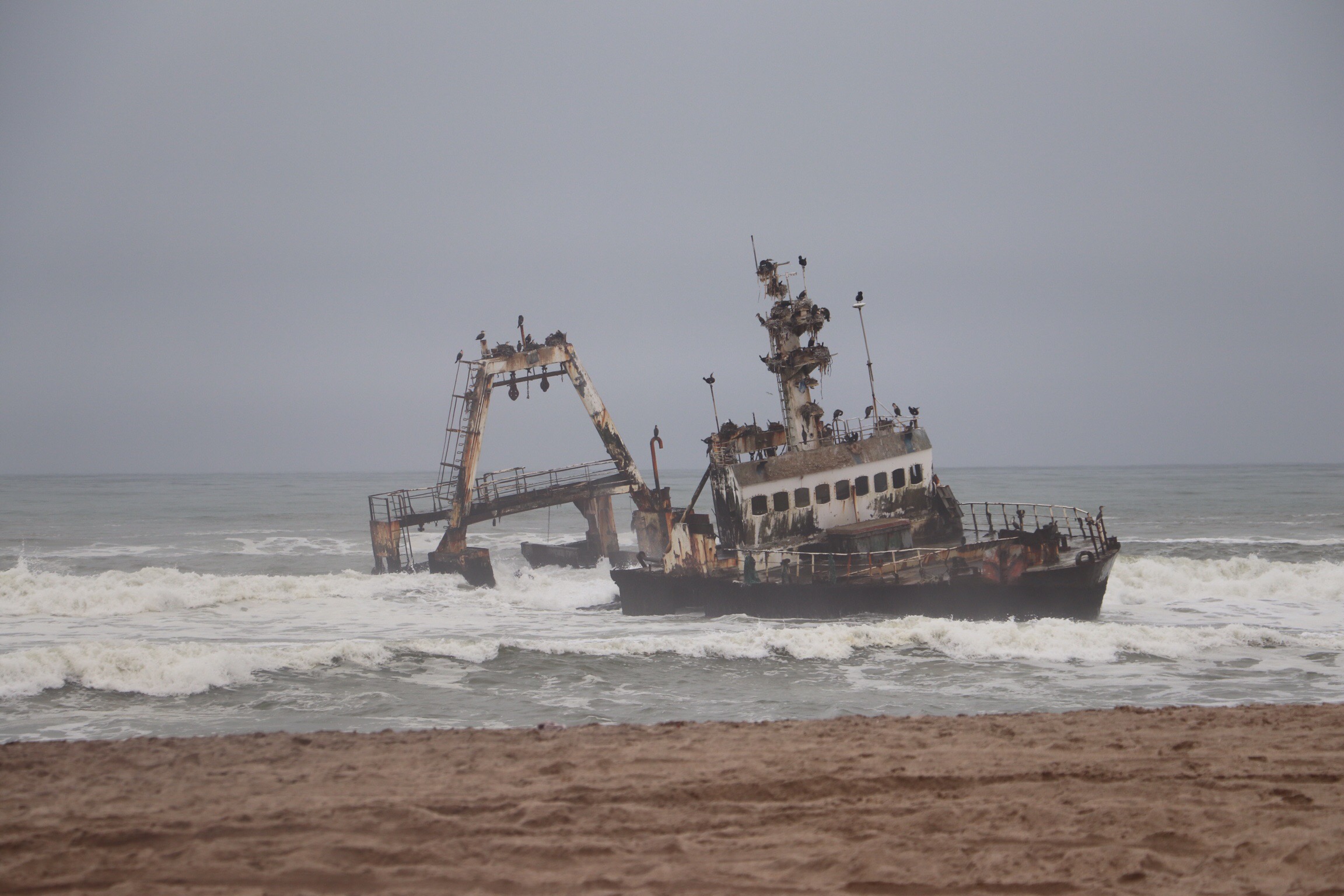
The Skeleton Coast is called this because of the number of ships that have been wrecked along this rough Atlantic coast line from the early Portuguese explorers right up until 2008 when a Russian fishing vessel wrecked just south of Henties Bay. We stopped for a Kodak moment and to be inundated by entrepreneurs selling rocks to us and other tourist bus loads. This area is rich with a great variety of stones and it seemed there was one for every taste however they were just rough stones and the real cost would be having it cut and set so no one took them up on the great deals.
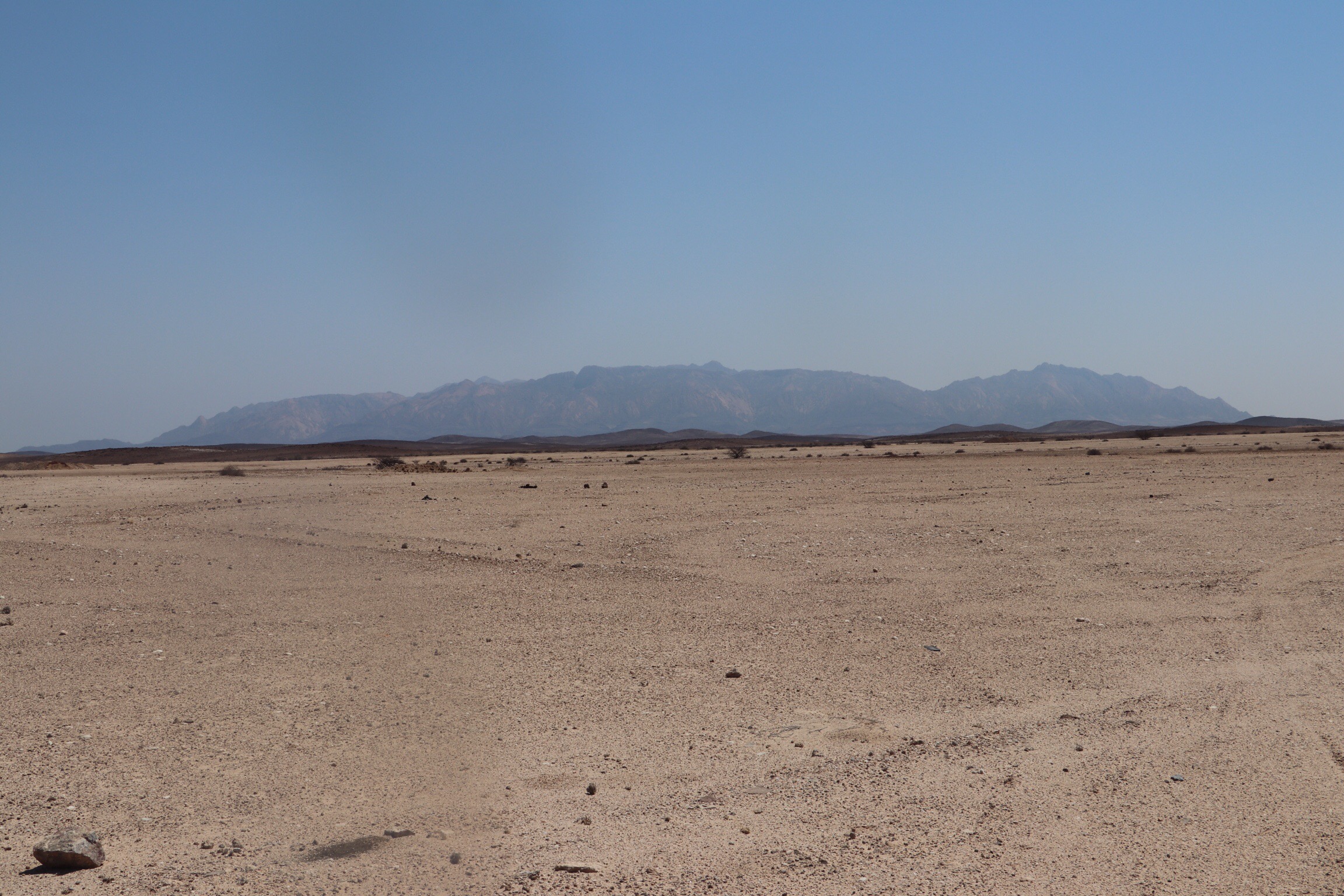
We turned inland from the coast at Henties Bay (where parts of the Mad Max movie were filmed) and headed east and north past a small range of mountains including the highest peak in Namibia, Brandberg Mountain at about 2600 meters. And on into Damaraland.
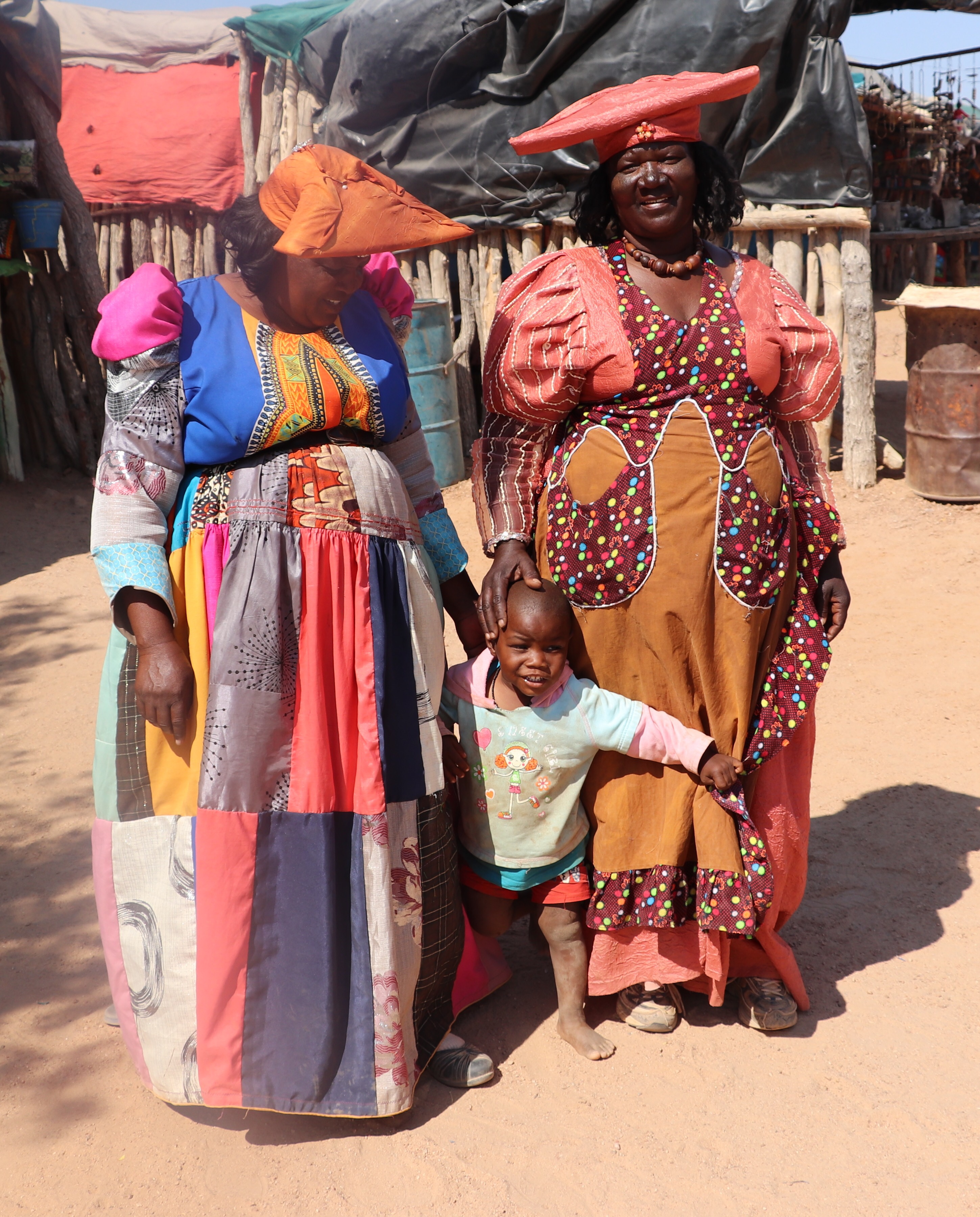
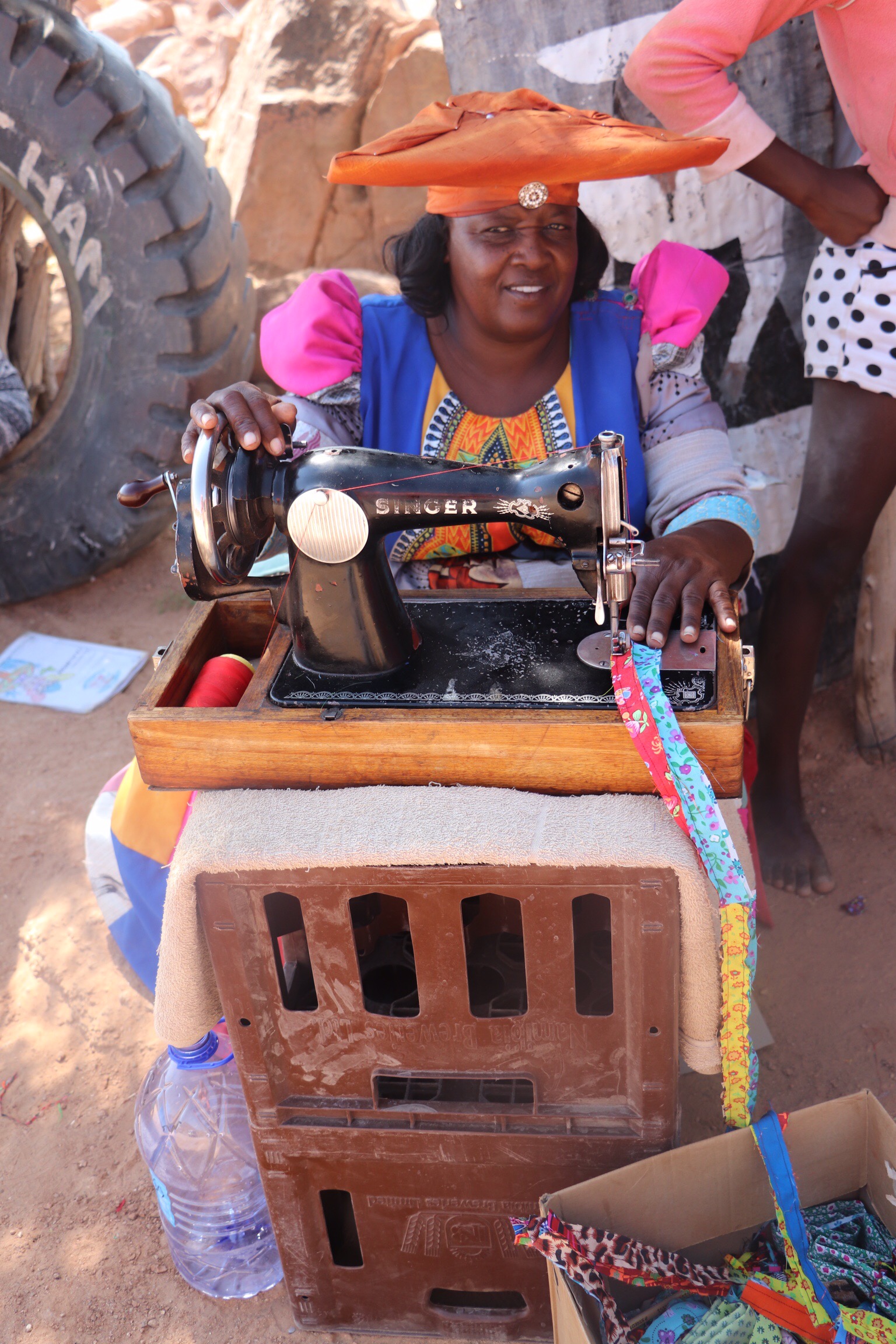
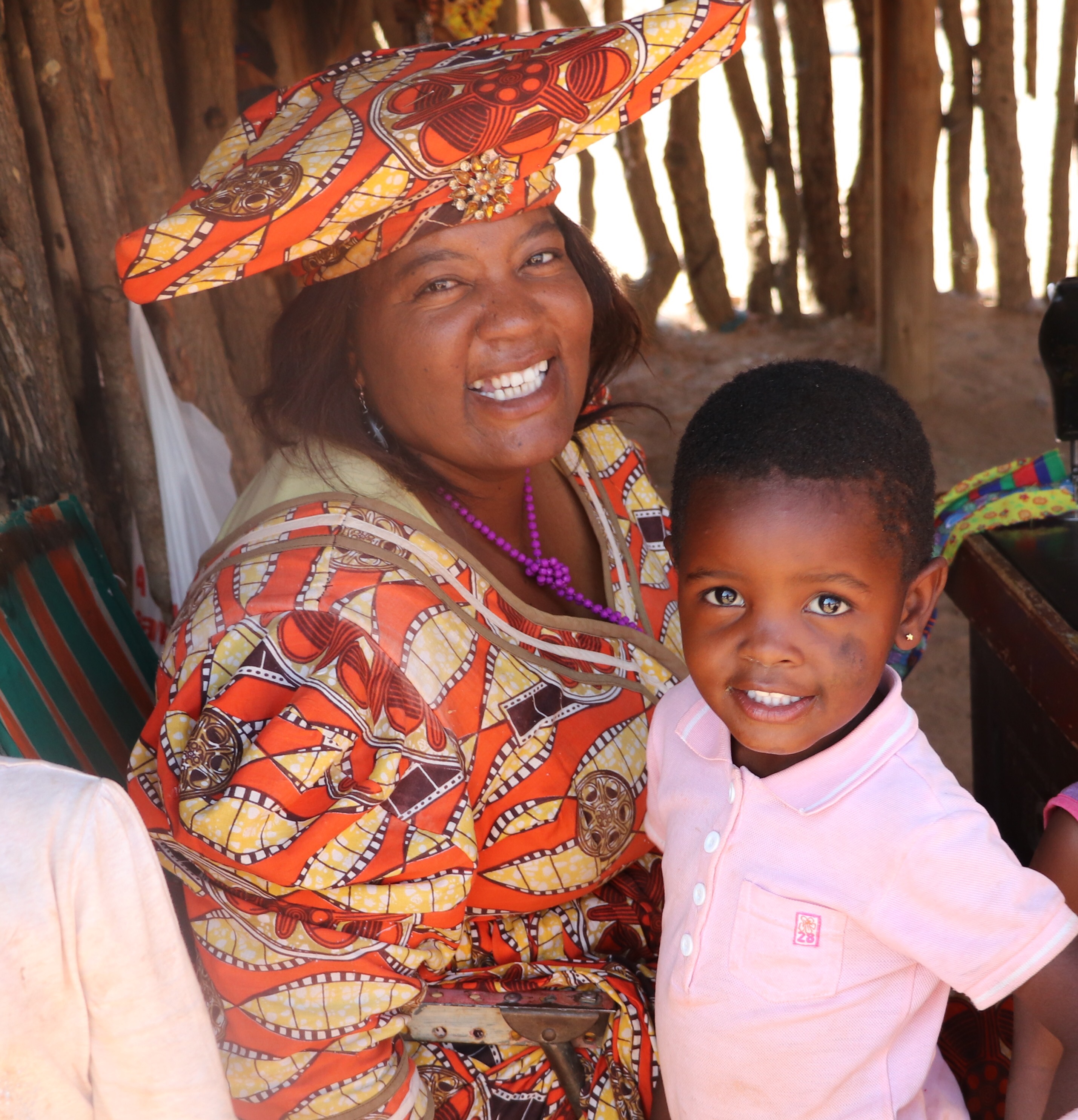
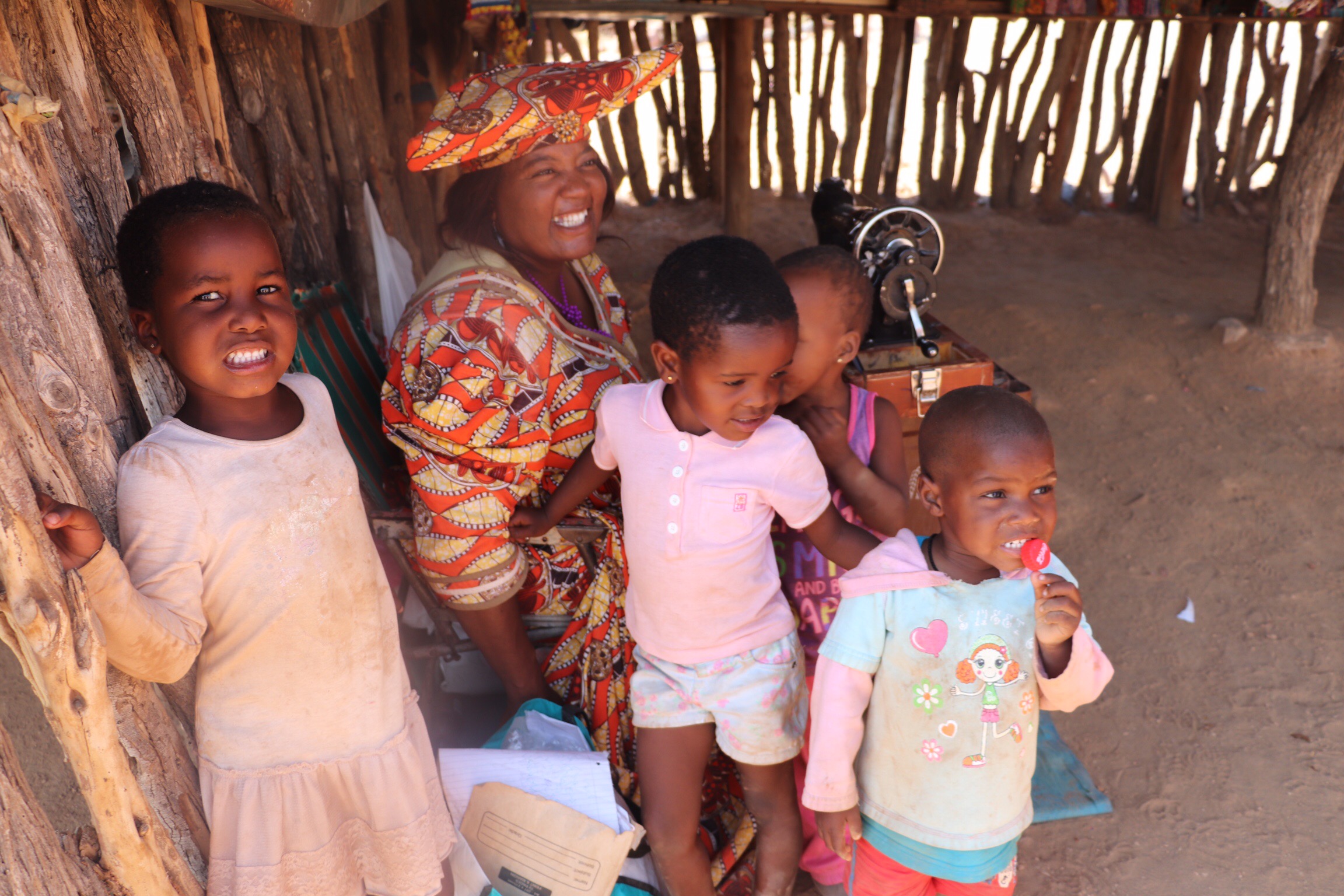
When the German missionaries came to this region, they had some of the local Herero women work for them in their households but the story goes that the missionary’s wives were not comfortable with the women working in their traditional attire and so the wives encouraged the Herero to wear bright Victoria costumes, complete with crinolines, which were much more modest. They also augmented their dresses with broad head pieces that look like horns.
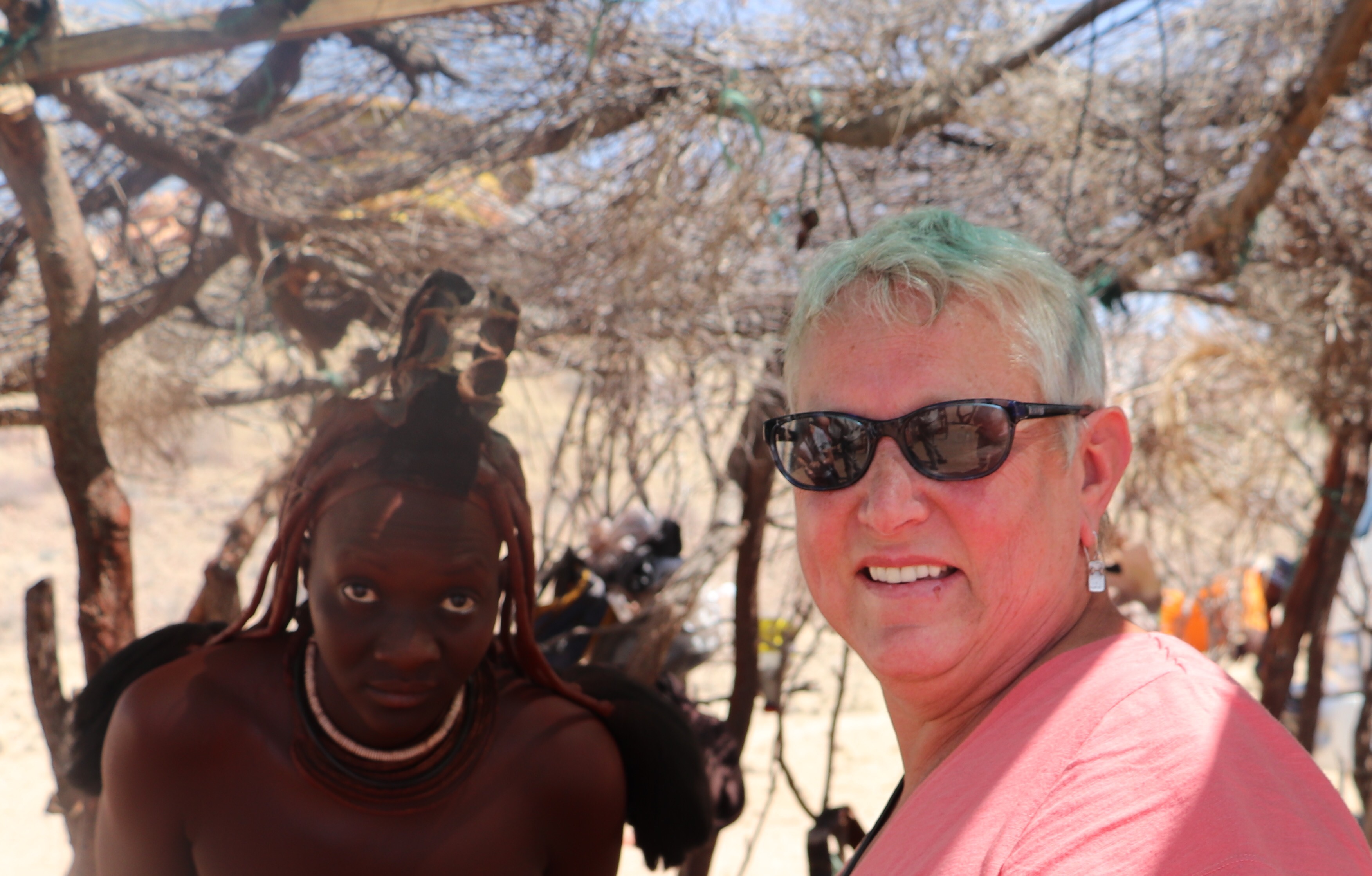
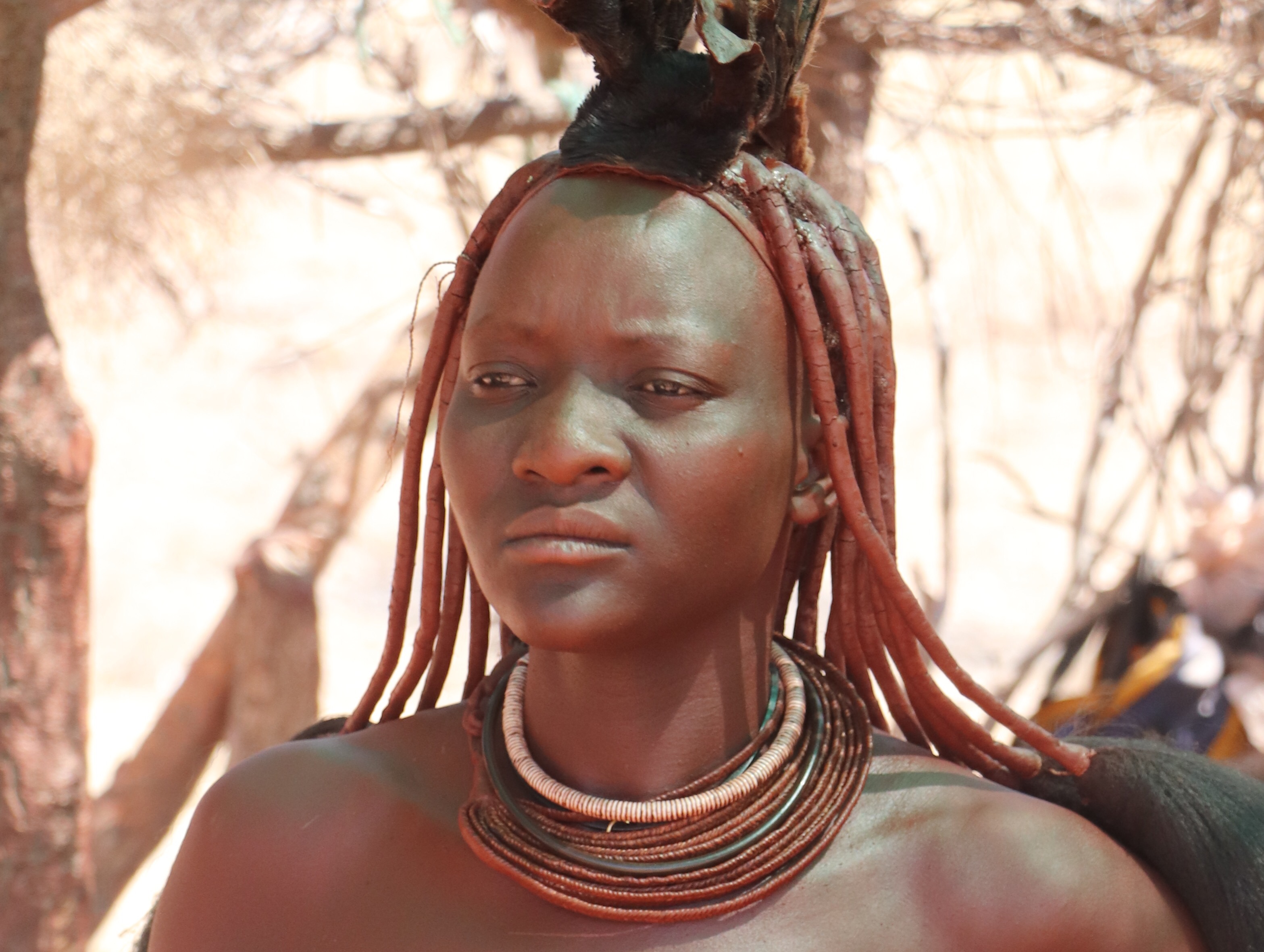
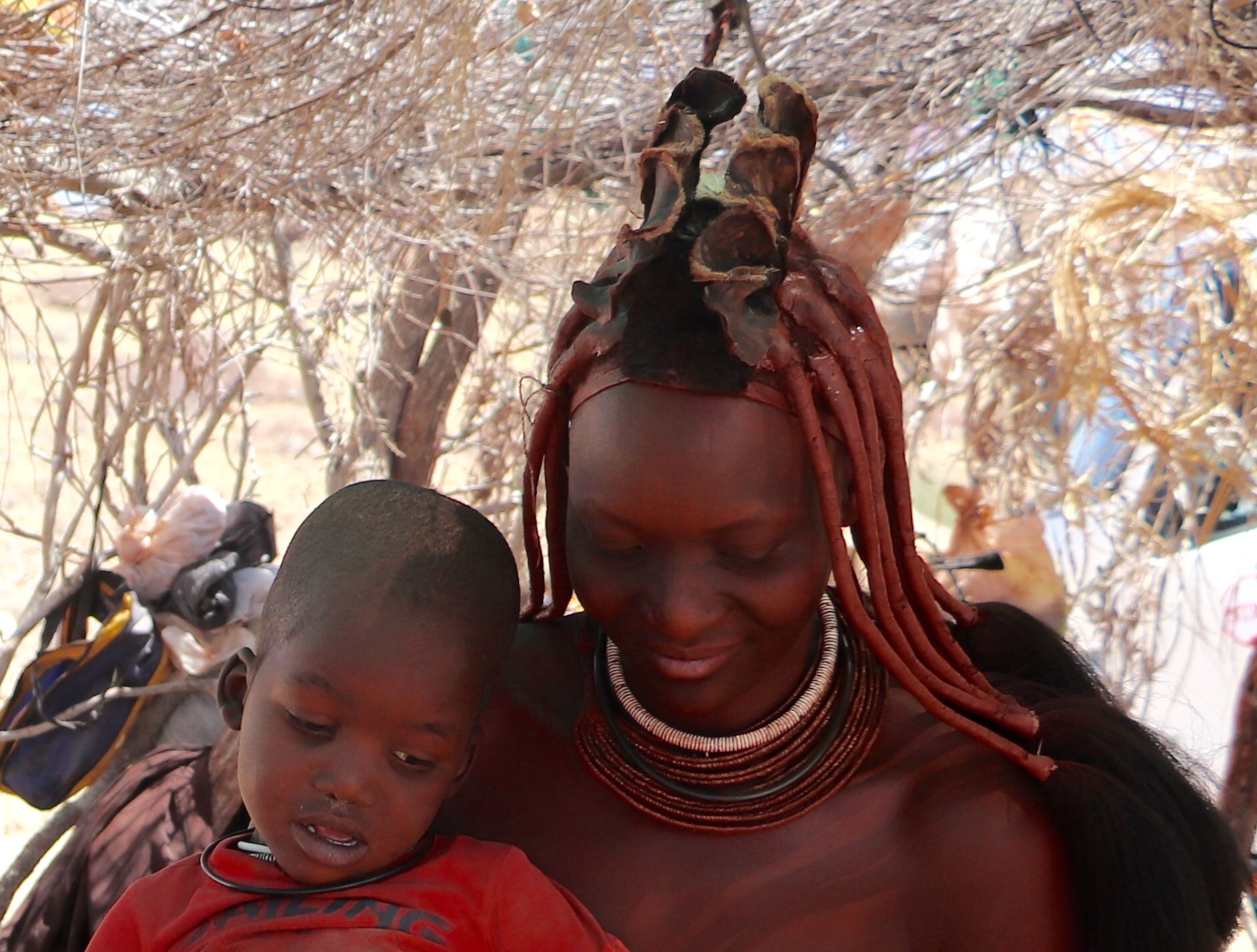
A subset of the Herero people went in the opposite direction. The Himba are cattle ranching people in the north near the Angola border, but the woman have come down to the tourist route to help augment the family income. The women have maintained their traditional costumes which includes elaborate hair and jewelry adornment, loin cloth and little else. The adornment and style of their hair tells the story of who they are, ie. if they are married, if they have children etc. They don’t ever wash their bodies or their hair and they use a concoction of ochre clay, with herbs and butter and smear it over their bodies to protect them from the sun, and they use it in their hair to cover their long braids. The young girls wear two plaits coming forward and the boys wear their’s long in the back. When the girls are about 15 they remove their front teeth because they believe they are more beautiful without them.
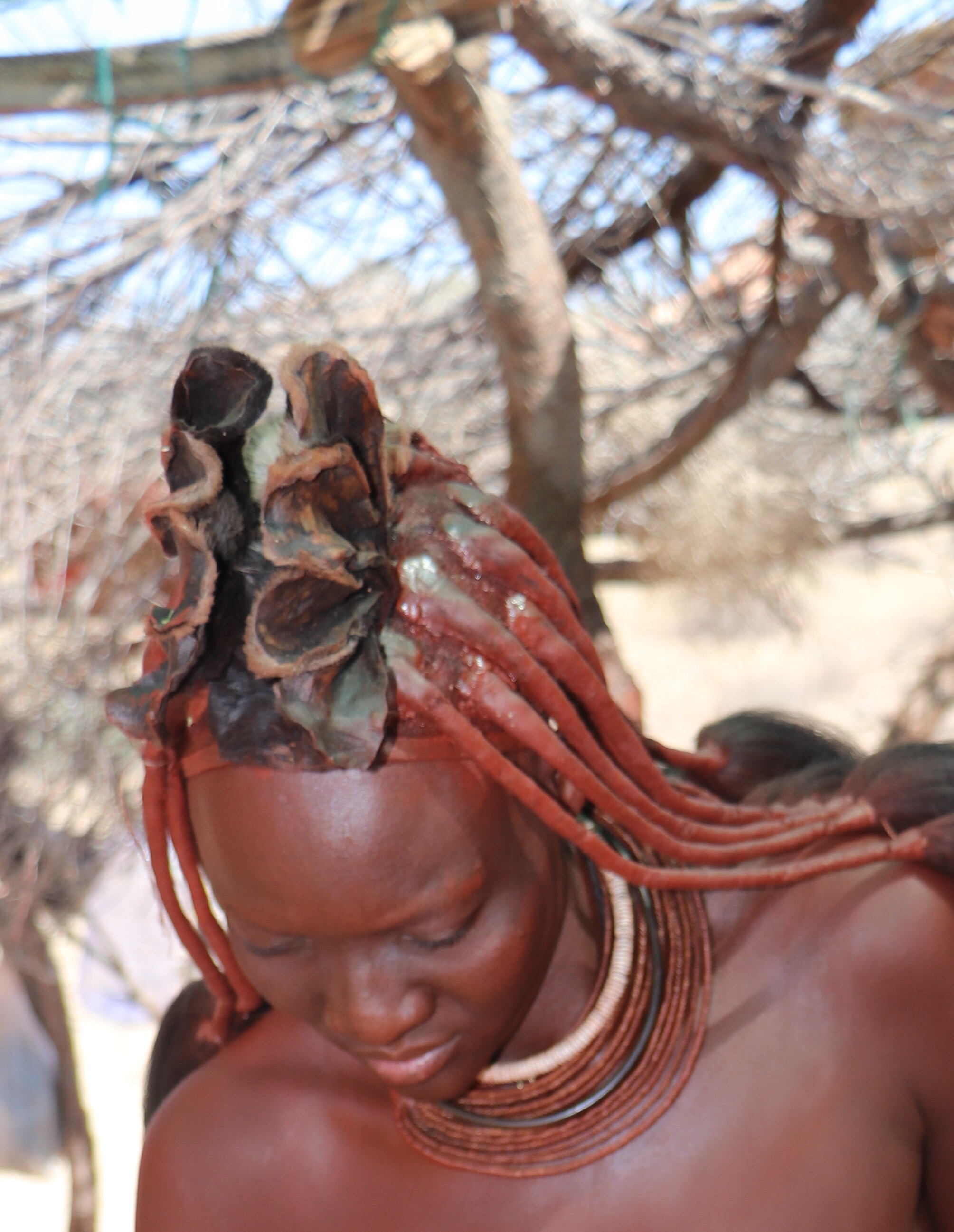
We stopped along the way at a couple of very interesting “markets” put up by each of these groups, ramshackle booths made from whatever they could scrounge and set by the side of the highway. The first was a handicraft market set up by the Himba people. It included lots of beaded work, copper bracelets, etc. They were keen for us to buy their trinkets, quite aggressive actually, and in exchange for a purchase we were free to take a picture of them. But don’t try taking one of any that you hadn’t bought from! If looks could kill. They didn’t speak much English but knew enough words to make the trade negotiations work. We discussed with our guide whether participating in trade with these people was the right thing to do. It seemed like exploitation but it helped them make money. A difficult decision one for sure. One of our group brought some candy for the children, and kids came out of the wood work when she arrived. I bought a couple of bangles and took some pictures but I was a little uncomfortable for sure.
Next it was on to the Hereras Market. They were much less aggressive, and happier lot. They cheerfully posed for all our pictures without expecting payment, and they were selling little dolls made up in dresses like themselves.I got chatting with one of the young Herera women dressed in traditional bright dress and headgear to discover that she spoke perfect English and was home visiting her family on break from university in Windhoek. She’s in first year studying for a degree in logistics and transportation. Another was on crutches and showed us her leg had been amputated just below the knee, and we were told that she had been bitten by a puff adder snake and had to have the leg removed. It was a colourful and interesting afternoon.
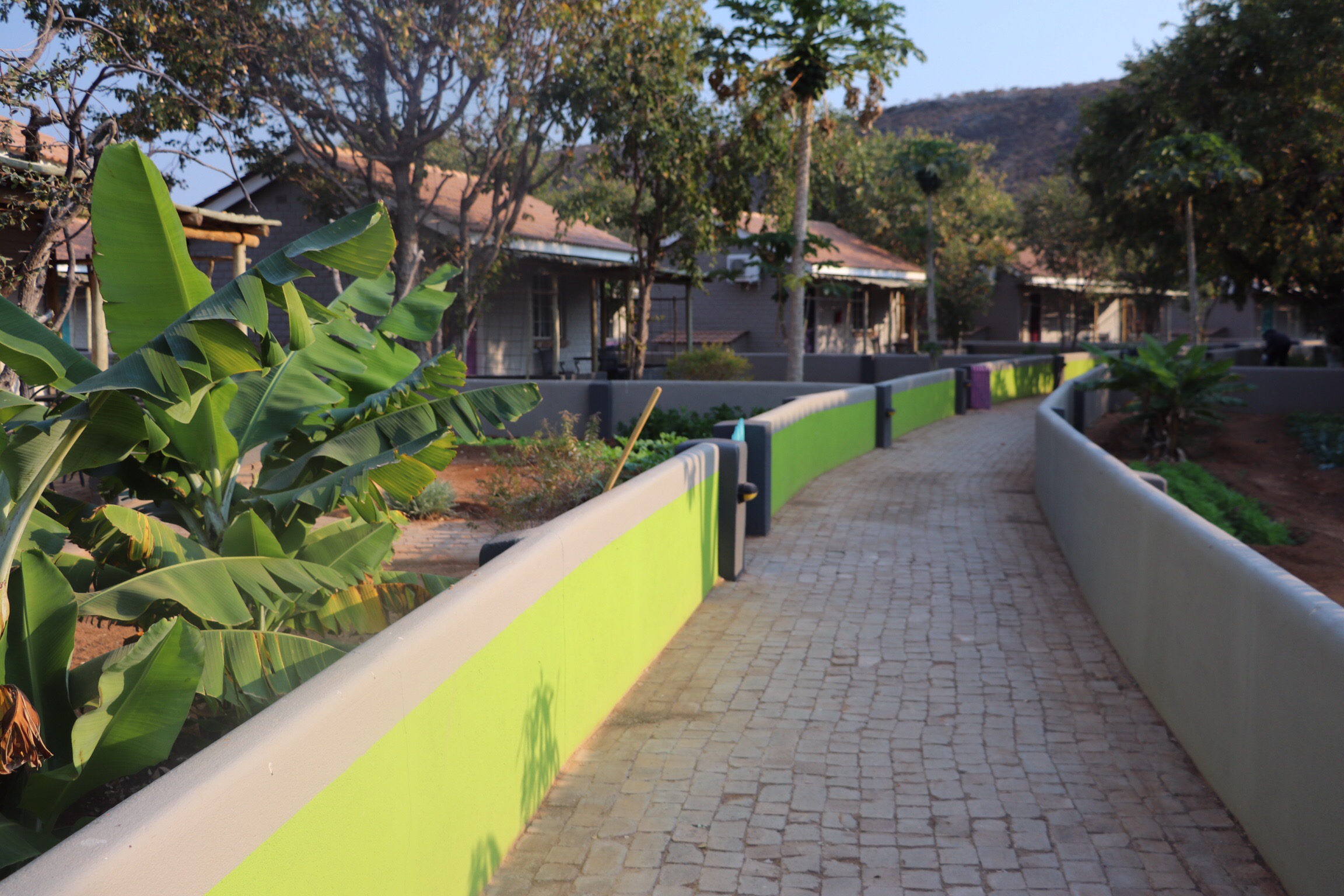
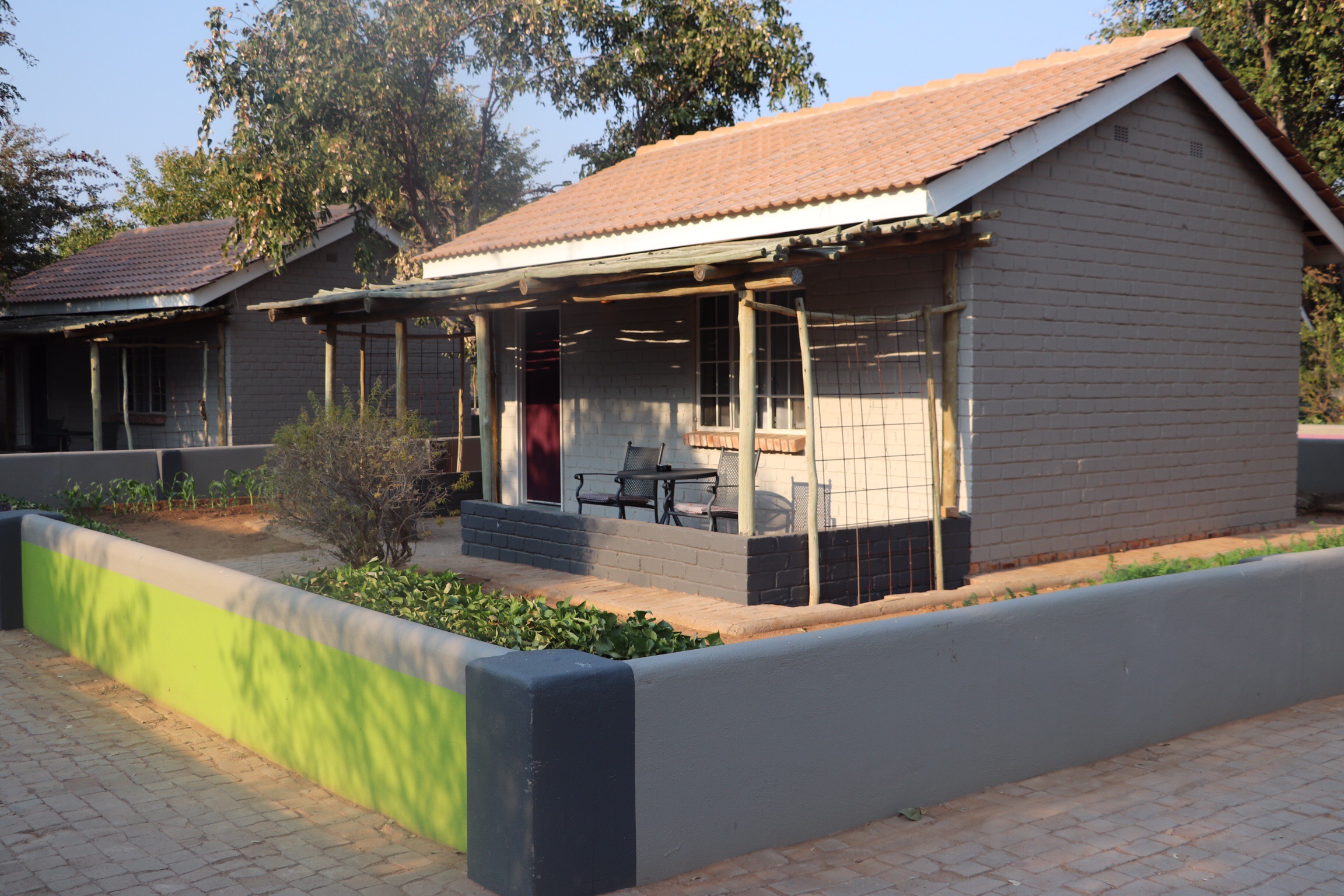
We arrived at our lodge in Damaraland and pretty promptly decided we didn’t want to leave. It was set up with little “houses” in concentric circles around a huge centre common garden and pool area, surrounded with short little fences, complete with gates. Each yard was planted with various lovely vegetables. (Corn, carrots, egg plant, peppers, cucumbers, etc). I was afraid we might have to hoe a row before dinner, but the tending of the gardens is left to staff, and the kitchen makes use of the abundant fresh veggies in their cooking.
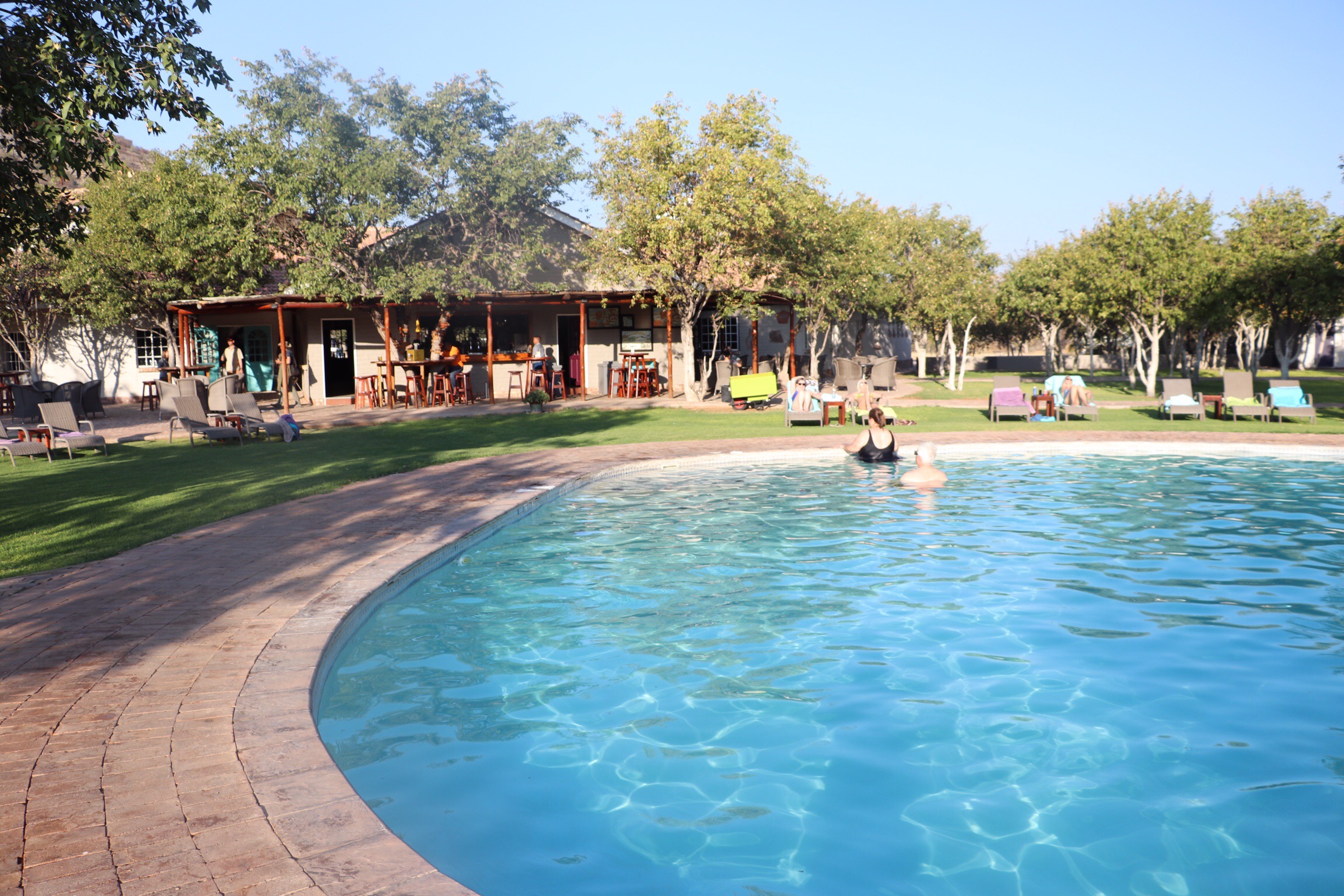
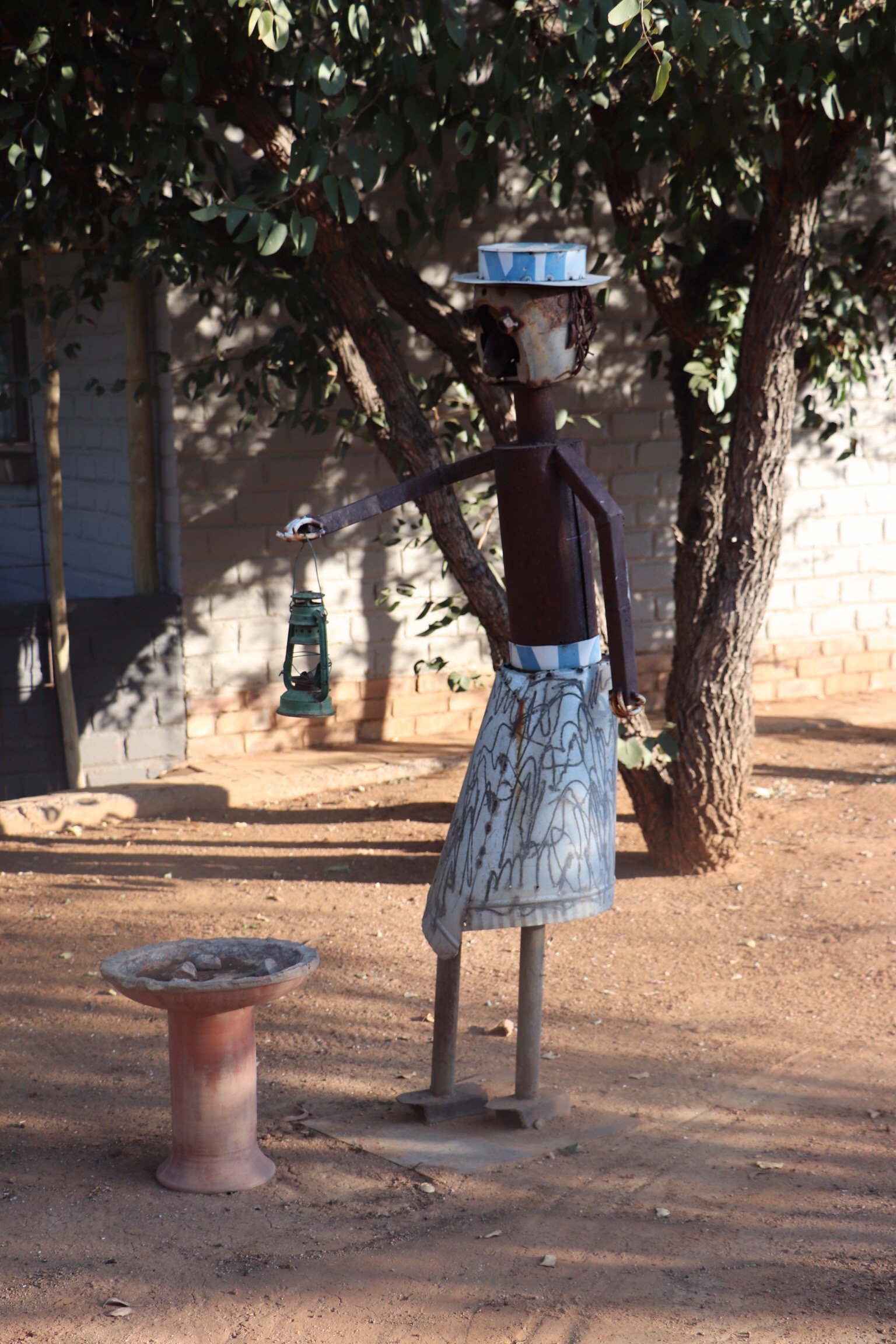
Dinner was served in an open-air courtyard, that was transformed by lights after dark, into a magical garden. Quite delightful. I’m only sorry we ended up being there such a short time and didn’t get to take advantage of their lovely facilities.

 Lois' Adventures