Charleston, SC
Today I visited Magnolia Plantation and Gardens, the oldest plantation on the Ashley River, one of oldest tourist sites in the Carolinas, and one of the top 25 most visited historic houses in America according to their brochures.
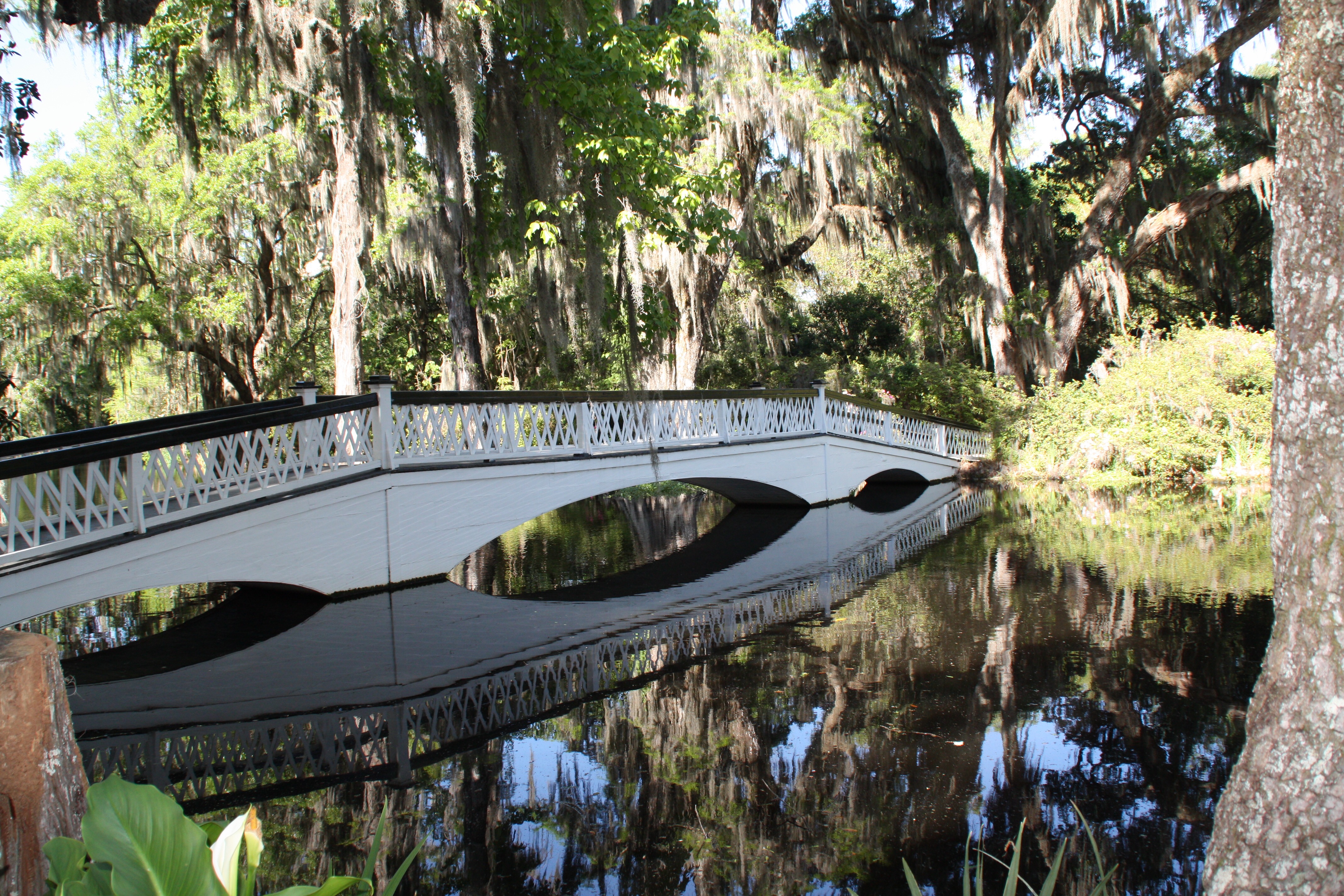
It was a late start for me, so I didn’t get to the plantation until just after noon. I was not the only one that thought this would be a good thing to do today. The ticket sales were painfully slow. There are several efficiencies at the entrance to the property that could be made to make it more pleasurable for everyone. Once inside I had a great day.
There are several activity choices at Magnolia. There are nearly 500 acres of gardens, woods areas, ponds and lakes to self explore and that comes free with your admission. In addition to that you can chose to pay extra to do any of the following: tour the house with a guide, take the nature train, take the nature boat, take a “Slavery to Freedom” walk, and visit the Audubon Swamp Garden. I chose the house tour and the nature train.
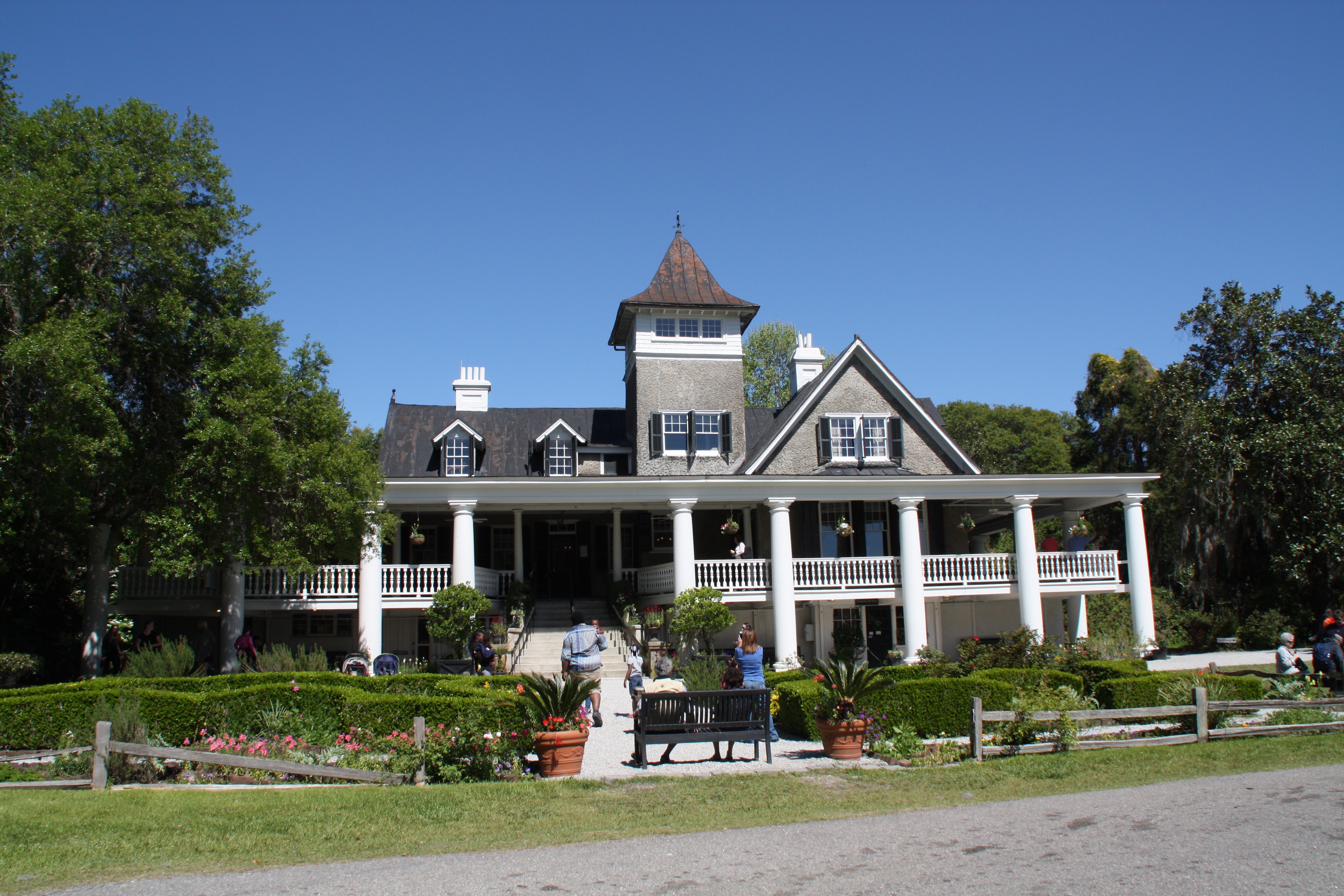
One of the unique things about this plantation is that it has stayed in the Drayton family and has not been turned over to a foundation like all the others I’ve visited. It is still owned by the 15th generation of the family. The house I toured was the third house built on the property. The first, built by Thomas and his wife Ann, newly landed from Barbados, was completed in 1680. It stood for 130 years but was struck by lightning in 1811 and the wooden interior burned and the brick skeleton fell inward. The second was burned to the ground in 1865, likely by Union troops.
This third house was started in 1874 with an addition made in 1891. It was planned to be much more grand, but because of the civil war the fortunes of this branch of the Draytons were diminished. Like other plantation owners in this area they had made their fortunes growing rice in fields worked by slaves, which was no longer profitable after they were freed.
The time came when some of the amassed acreage had to be sold off to save the gardens. They had been developed in the early 1800’s, primarily by John Grimke-Drayton and were well known before the Civil War for their azaleas and live oaks. In order to provide income for the estate, they opened the gardens up to the public for the first time in 1870 for an admission charge of $37.50 in today’s money. They had many well known visitors during the 1900’s including George Gershwin, Henry Ford, Eleanor Roosevelt, Orson Welles and John James Audubon. The last owners to live in the house were John and Fernanda and after John’s death, Fernanda made the decision to open up the house to tours and became it’s first tour guide in 1975.
The house tour was my first activity and it is interesting to see how humble it is compared to so many of the other plantations I’ve visited because of their diminished wealth. It was after all the “country cottage” because they lived most of the year in their Charleston home. Most of the furniture is from the house or from other properties the Drayton’s owned. Sorry, no pics allowed inside.
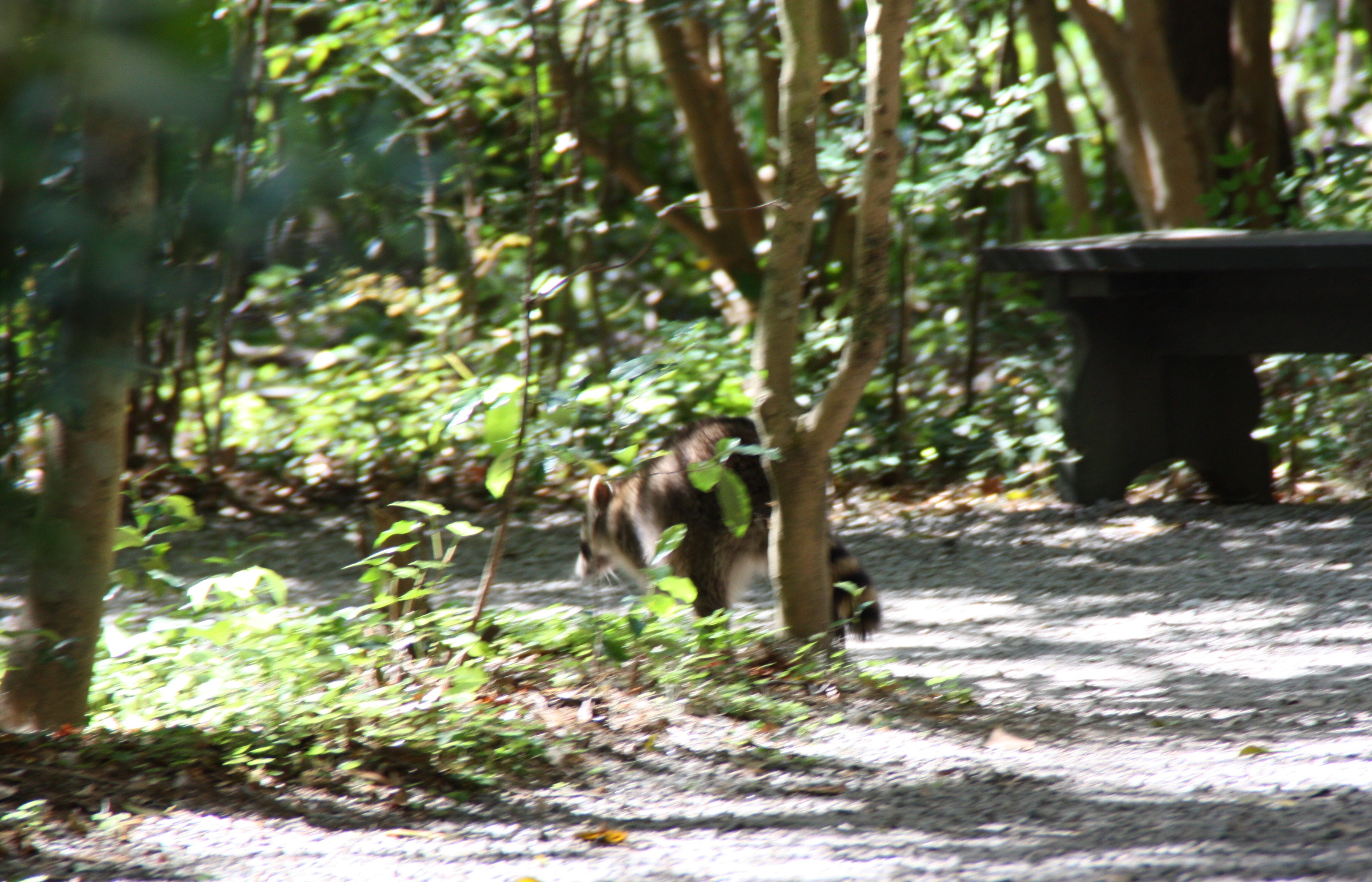
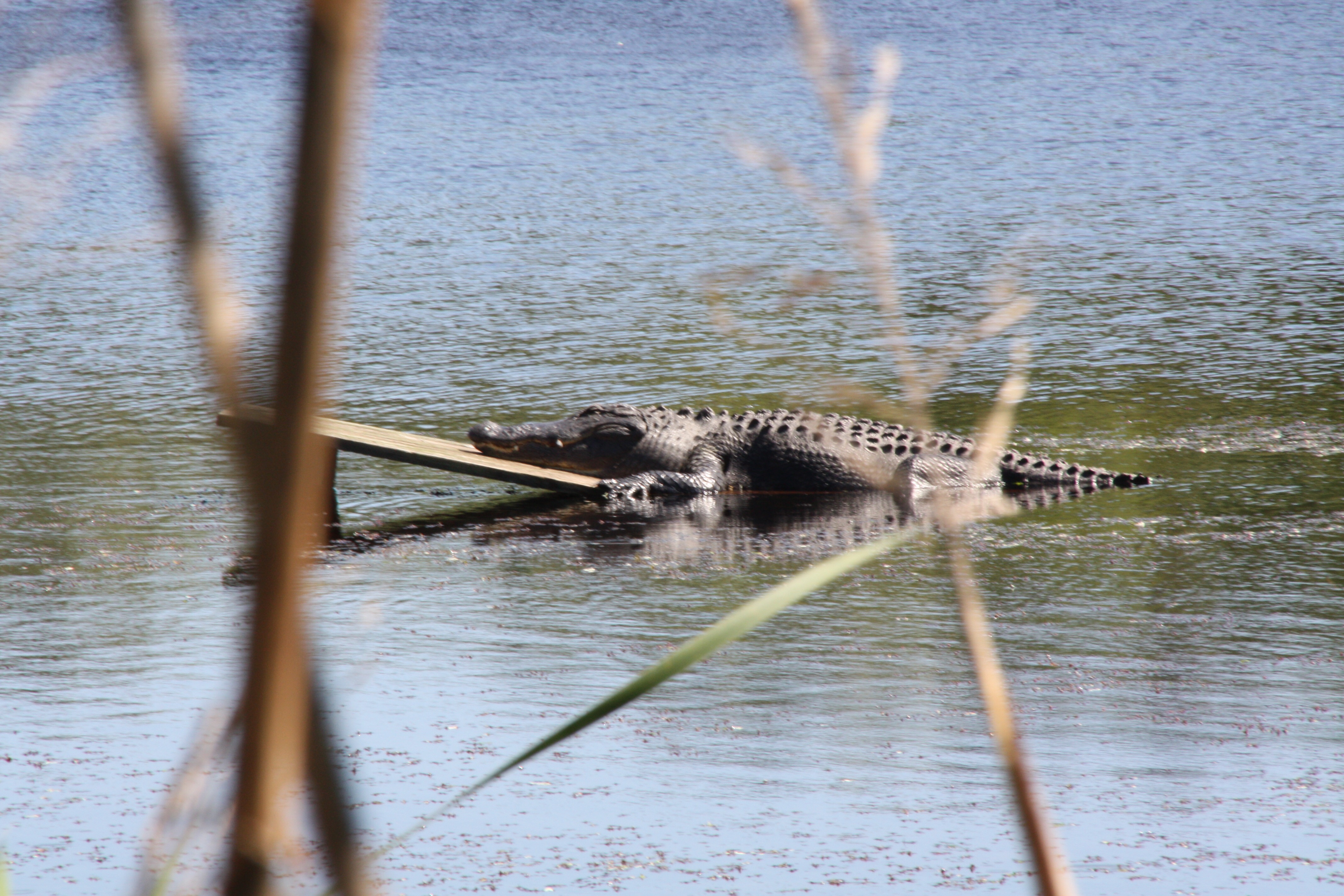
Immediately following the house tour I was scheduled on the nature tram tour. It took us through much of the nearly 500 acres, many wooded areas, and past ponds and lakes. We spotted several alligators, one about 8 feet, and the others smaller and numerous turtles and various birds and geese. Then I walked through the garden itself. Unfortunately most of the azaleas have passed their prime but it was lovely to walk along the pathways zigzagging through the garden. There are statues, and bridges and ponds and the river to discover around various bends in the pathways. And I even encountered a racoon coming my way as I rounded one corner. He immediately turned and hightailed it in the opposite direction before I could get my camera up and focused so the only picture I got is pretty dark and blurry.
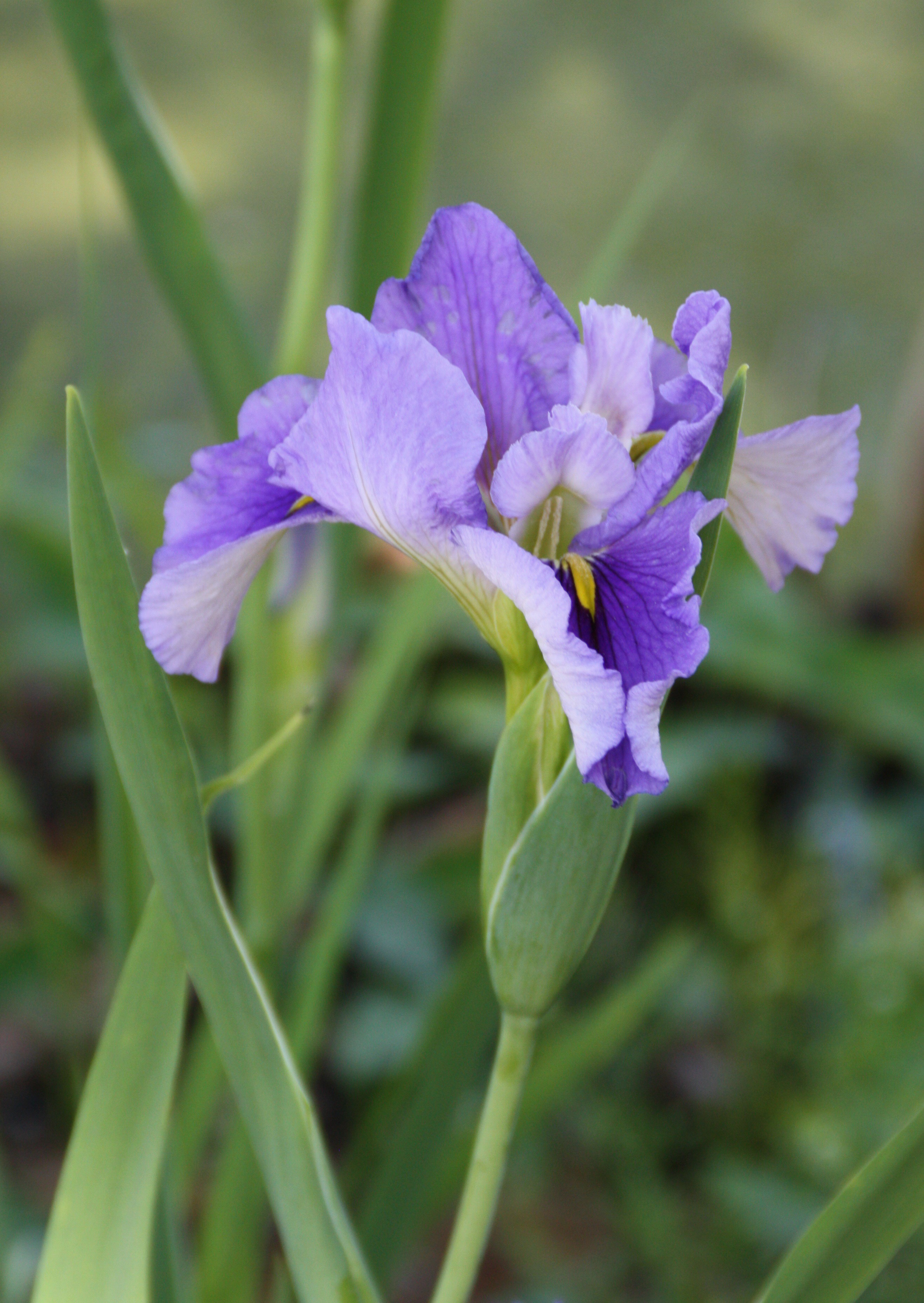

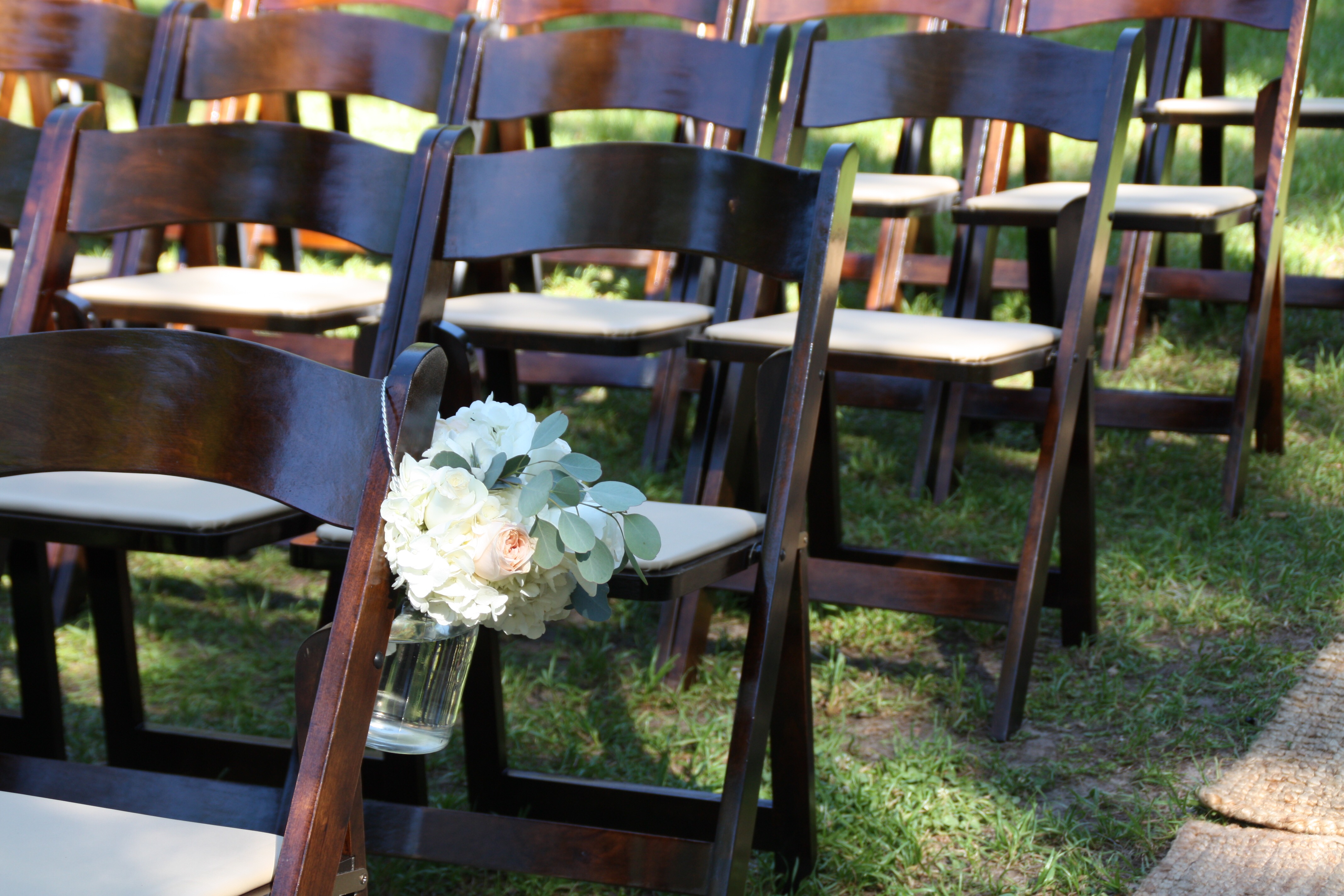
Near the end of my garden walk, I came across a wedding dress hanging from a tree limb in the pathway. Not far away was a photographer taking its picture. Seems there was a wedding on the property this afternoon. Sure enough on my way out I came across chairs set up on a lawn for the ceremony and by the time I passed by the house the caterers were in full flight getting set up on the outdoor veranda.
It was a lovely afternoon.

 Lois' Adventures
Nice pics there Lois
LikeLike